Tag: life lessons

  • Doing the Right Thing

    Image result for do the right thing quotes


    I’m not sure when it was that I started feeling the pressure of doing the right thing. I do know two things:

    1. I spend way too much time thinking about this. The right thing for me or for others; I think about both.
    2. When I do the so called “right thing,” I sometimes spend time wondering if the right thing was the best thing.

    Breaking down the issue, I think I can safely assume that #1 will never go away. There comes a time when you just have to accept who you are and what you can or cannot change. I live with a lot of guilt:  gay guilt because I was closeted for the first 28 years of my life and I lied to a lot of people; Catholic guilt, having been raised Catholic and forced to spend too much time with authorities from the church; sibling guilt, being in the middle of 10 whole, half and step siblings; and DNA guilt — I am certain that I got the guilt gene, perhaps more than one.

    When you put it into words, no wonder you find it overwhelming. Fortunately, I have found a way to tuck most of it away in little boxes that I can set aside and keep closed.


    Gay Guilt

    If you truly believe that people no longer care if you’re gay or straight or transgender or how you define your sexuality, do not read any further or even better, read with an open mind [There are actually people who have said to me, “Things are different now, nobody cares anymore. Right.]:

    I count myself as one of the lucky ones because I came out at 28. I know gay men well into their seventies who are still closeted. I cannot imagine that kind of pain. So when I talk about doing the “right thing,” I mean what is right for you, not what others think is right for you.

    I continue to feel that people look at me differently because I am gay. I know that I have family members who have very little to do with me because of my sexuality. Anyone who says they don’t care is lying to themselves and others. Yes it makes me stronger and more determined to be my true self, but it can also sometimes make you feel as if you’re living on an island. The messages on television and magazines have changed, however, we continue to live in a heterosexual world and I cannot imagine that changing anytime soon. Navigating that world can be exhausting and troublesome.

    What does doing the right thing look like for you straight or closeted folks?

    1. Show some interest, ask questions.
    2. Ask to be a part of someone else’s world. My brother asked me to take him to a gay bar about 10 years ago and I was pleased and excited to show him a part of my life.
    3. Read articles and books on the subject matter.
    4. Be an ally whenever possible, it truly matters. It’s the reason we have come so far.
    5. Just be with someone who needs you, often that’s all they need.


    Catholic Guilt

    If you were raised catholic (I cannot speak for other  religions) there were clear messages about the sins of the world. I went to Catholic Catechism and was basically taught that it wasn’t evil to think about someone of the same sex sexually; however, it was a sin to act on those thoughts — how’s that for a scary and confusing message. Too many mortal sins to worry about when you’re Catholic. A clear way to push someone into swearing off (sorry) one’s religion.


    Sibling Guilt

    I have a number of half brothers and sisters and I have a step brother. I have a good deal of guilt about being a brother and not having a closer relationship with several of my siblings. We tend to want to spend time with people we connect with and we don’t always connect with our siblings. In some cases, it might be their spouses or partners that are problematic. Nobody wants to be put in the middle, therefore, I personally do not confront siblings about their problematic partners. Then there are partners that are more pleasant to be with than your siblings, best to stay away from that one. It’s difficult not to feel alienated and judged when you receive feedback about something said about you by a family member. The right thing for me is usually distance; stay clear of conflict, it’s painful and impossible to mitigate. Is this the right thing to do or is it the smart path? I admit there are times that I choose the easy way out.


    Baby I was Born This Way

    This is not just about sexuality . . . telling someone that you were born this way is often an excuse for explaining away a personality flaw. For example, I have a relative who is a compulsive gambler. He claims that he was born with a gene that makes it impossible for him to stay away from gambling. I can’t argue whether or not there is such a gene, however, I do know that when someone has a gambling problem, there is a way to get help and overcome the addiction. In some cases you have a choice about whether or not you care to address the problem. I am sympathetic about addiction (I have my own), but I also know that if you care about yourself and the people around you, you can seek help. For me, admitting that you need help and getting help can be the definition of doing the right thing.


    Miscellaneous Guilt

    The guilt one feels which cannot be named. This kind of guilt causes self-doubt, anger, pain, loss, poor decision-making, unhappiness, regret, and so on. You have to ask yourself difficult questions about why you feel guilty. Guilt is often an indication of a problem you may be having around a moral dilemma; did I do something wrong? How do I make it right? If you are the kind of person who lives life without guilt, well then, you needn’t concern yourself with it’s symptoms. Unfortunately, I am not one of those people.


    What is the Right Thing?

    The “right thing” is different for each of us. We each have our own moral compass, our own values, and our own personality. Most of us know the difference between right and wrong; that might lead one to believe that doing the right thing would be easy, but we know it’s not always easy. When making big decisions, consequences are usually at play. Dealing with those consequences, is usually a better alternative than doing something that might not be right, which usually comes back to bite you in the ass.


    A short story:

    Many of us can recall a situation at work where the environment became toxic and difficult to endure; this has been a lifelong issue for me. For reasons too complicated to outline here, I tend to link employment with self-esteem; specifically personal failure. Rather than admit the time had come to walk away, I stayed and endured a great deal of emotional instability and pain. In several cases, I stayed for years. What this does to one’s physical and psychological well-being cannot be measured; however, the damage was greater than I care to admit. Had I cleared my conscience and walked away sooner, I might have saved myself from having several surgeries and the work of repairing a lost sense of self.

    I am aware that doing that repair work is part of life and growth; however, I also believe that we often do damage that is beyond repair (i.e, divorce, in my case). Another life can be greatly impacted by your deceit.

    What I have learned is valuable for me:  think about possible outcomes before making a big decision; think about how it might impact others; think about the worst case scenario; and think about what is right. Some people just go with their gut feelings. That may work sometimes, but I have found that my gut is not always right. I may be so wrapped up in the desired outcome, that I’m not thinking about the process. The way we go about achieving a goal is as important as winning. You might not be happy with yourself if you got to goal by hurting people or being dishonest — we don’t always know the truth about ourselves and we have to face that truth.

    “You know you have made the right decision when there is peace in your heart.”

    — Unknown


    Thank you Linda Halasa (a good friend) for proofreading this week. I will be reblogging next week due to family visiting Portugal. The following week will coverage of Eindhoven, Netherlands.

  • Letting Go Can Be Difficult

    It’s been a difficult week of reflection. I imagine some might say that every week in one’s life is difficult; however, I would argue that there are times in one’s life when thoughts are more negative, more self-critical, and harder to sort out. Sometimes the yin & the yang seem out of balance and it has more to do with your brain doing a number on you than anything else. Rebooting only works some of the time. Sample thoughts like:  am I enough? What do I want for my future? What role am I playing in somehow making the world better for others? These are all normal thoughts for those who think and have a conscience. For me, at least at this point in my life, what I choose to let go of versus what I hang onto, is taking up more thinking time than usual.

    I know that I write about “letting go” often. At different times in my life, letting go has been my biggest challenge. There are numerous reasons that this particular defense mechanism is important to me. When I have something weighing on my mind, it tends to be all consuming. I find it difficult to focus on other things in my life and it disrupts my sleep and interferes with my desire to be in the moment.

    Getting older has been a gift in a way, in that maturity has helped me put many things into perspective. Things such as what is most important in life and why hanging on to things or people we cannot change, is destructive. When you have a fair amount of success “letting go” of a thing, an idea or a person, it helps you to see how freeing the process can be.

    At one point in my life I was quite certain that I could never live outside of New York City. I could not imagine leaving the people and experiences I loved most. I forced myself to relocate by telling myself that I could always return to NYC if that’s what I truly wanted. Because most of us can adapt to almost anything, once I was in my new environment, I was able to see the benefits of being in that place. We tell ourselves that we’d miss certain “things” and that’s why we should remain. Then there is that other voice that tells you that if you leave, you are running away from something. In my case the theatre was keeping me in New York. I have always loved Broadway and could not imagine living far away from the Great White Way. In reality, even though I left New York almost seven years ago, I have returned to New York to attend the theatre every year. Now when I get tickets for a play, I am much more thoughtful about what I see and because I’m making a special trip, Broadway has become even more precious to me.

    [I could go off here about how Disneyfied Broadway has become; however, I think it’s best that I spare you the rant. It only forces you to be more selective about what you choose to see. Most things can be traced back to the almighty dollar.]

    Now that I am living much closer to London, I feel as if I get to enjoy a bit of both theatre meccas. The point is, when you care a great deal about something, it should not prevent you from letting go of something else; one does not preclude the other. There were of course factors tugging at me to remain in New York; I cannot same the same for Maine.

    People are more complicated and that presents greater challenges. I met an older woman here in the Algarve who was originally from Ireland. She lives about 30 minutes west of Faro. She’s worldly, smart, loves food, and we got along fairly well. At one point in our friendship I realized that she was putting me down quite a bit. It was subtle, but she would often be condescending or passive aggressive. She a tiny woman, however, she’d raise her voice to speak over me or she’d tell me that something I felt or vocalized, was nonsense. I decided that I did not have to tolerate such behavior just because she’s older. I spent a good deal of time on a letter explaining how I felt. I thought a letter would be more effective because she could read it and consider my words (I know a lot of people prefer in-person conversations, but I believe that particular method is sometimes better as a second step). In the letter, I was careful not to generalize and I was clear and kind. I told her that I cared about our friendship and that I was hoping she would consider changing the way she sometimes treated me. One has to be very careful not to use absolutes in these situations. She responded fairly quickly, however, she did not acknowledge the contents of the letter. She basically told me that she was leaving town and that we would speak when she returned. I accepted her email as a positive sign. I thought this would give her time to consider my words. Obviously, it goes both ways and I was willing to listen and alter my behavior as well.

    And then nothing happened.

    It’s been eight months and I am not caving. This is the letting go moment when I say to myself is this woman worth my time and consideration? I tried and failed. There are times in your life when you just have to walk away and cut your losses — sound a little harsh? I think it’s a defense mechanism I have developed over time. The former me would get all worked up, make an angry phone call or send an angry email. I would beat myself up for saying anything at all in the first place. Then at some point I decided that if in fact I was going to be true to myself, I would have to come clean and say something. Keep in mind that when you are living in a foreign country, there are a limited number of people who speak your language and truly understand your culture. This sort of empathy is important for social interaction. I do enjoy having people around I can share experiences with.

    Image result for truth quotes

    Journaling your feelings helps when putting situations and interactions into perspective. It provides the ability to step back and process.

    One of the things that I have started doing is to cultivate good relationships and show gratitude for those that are nurturing and positive. For example:  I have been in the process of getting a tooth implant for a year. There have been complications that are too boring and tedious to discuss here. Through it all, my dentist and her assistant, have been patient and supportive; I am beyond grateful that I found them. I’m a month away from getting the actual tooth, which I know will improve my life — chewing is essential. I have a visit today and I plan to bring flowers to both my dentist and her assistant. I’ve known them long enough now to know that they will not misinterpret this gesture. They will know that I am showing them my gratitude. Letting people know that they have had a positive impact on your life and that you do not take them for granted, is essential for building strong relationships. Replacing hurtful and toxic relationships with rich, fulfilling ones, helps in the letting go process. For some people it’s almost like getting over the loss of a pet, some people go right out and get another. It’s not something I personally can do, however, I do appreciate that for some people it is a way to let go.

    By the way, I am not advocating for simply dismissing people in your life. Communicating, giving people a second chance, making sure you did not misinterpret someone’s behavior or words, and being aware of your own behavior, is very important. Letting go should happen when all else fails and the level of toxicity or pain is hard to bare or out of balance.

    Practice, Practice, Practice

    At times the thought of walking away from a relationship is much too difficult to even consider. It might be a parent, a sibling, your boss, a long-term friend; you get the point. In a case like this, you might have to let go slowly. Putting distance between yourself and another can be a good first step. If you normally speak to someone daily, you can try skipping a call here and there. If you go out every Friday night, you can suggest cutting back due to schedule conflicts. This is not dishonest. There is nothing wrong with protecting someone else’s feelings or being kind. Some people have no sense of self and others cannot see what is right in front of them.

    What Happens When You Walk Away

    A friend once told me that when you walk away from someone or something, the shadow (memory) of that person or thing is left behind. This will have a lasting impact. She used a wart as an example:  if you have a wart on your hand for 20 years and you have that wart removed, your memory of that wart will be so strong it will feel as if it’s still there. If you choose to let go of a relationship, you will occasionally think about that person; in this way, you’re not totally letting go, but is it possible to completely erase someone from your mind and would you want to. If you believe as I do, that all of our life experiences and relationships are necessary in order to grow, then embracing that they were a part of your history and therefore, a part of who you are at this moment. It’s better to be grateful that you one, have the ability to learn from a person or thing and move on, and two, that our past leads us to the present.

    Grieving Loss

    Sometimes letting go of a person might be the best recourse; however, be prepared to grieve the loss. Even if the relationship was highly toxic, if it’s been a big part of your life for a long time, you will miss aspects of it:  routine, company, validation; whatever it might have been, you will lament the loss. Allow yourself the time to grieve and know that when it’s over, you will be far better off. Congratulate yourself for taking care of yourself and for enriching your own life.

    Side Bar:  I have been enjoying a new show on Netflix called Terrace House. It’s a reality show, however, what makes it different is that it takes place in Tokyo and you get a sense of Japanese youth and the culture. I find myself laughing a lot and wanting more. Check it out.

    https://www.imdb.com/title/tt7776244/

    A Kitchen Accident on Thursday

    Thursday evening I decided to have a big salad for dinner. It was a beautiful night and I wanted to eat out on the terrace facing the water. I opened a local red wine I had not tried before and I noticed the bottle seemed heavier than usual. I thought that maybe it was larger than the normal 750 ml and I did not think about it again. I poured a glass and put the bottle in the refrigerator on the side door. During the warmer months I refrigerate red wine so that it will last longer. When I’m drinking it, I take it out about 30 minutes prior to pouring so that it’s just a little cooler than room temperature.

    After dinner I decided to have another half glass instead of dessert. I opened the refrigerator to retrieve the bottle and the entire shelf went crashing down. There was wine everywhere; the walls, the cabinet doors, the refrigerator — everywhere. The cabinet doors had just been painted last week and I was concerned that the wine would stain the doors. I acted swiftly and cleaned the cabinets first. Next, when I started picking up the large pieces of glass I discovered that the bottle of wine was not larger, but thicker. This explained why it was so heavy. Two things happened to my new kitchen:  first, the bottle put a chip in the tile floor below the refrigerator and second, the refrigerator shelf cracked in six different places. The cleanup took me over an hour and I was sweating from head to toe. I walked into the living room, sat down and thought about the incident. It started with:  why did I have to put the bottle into the refrigerator? I was fully aware that this was about to become a “let’s beat the shit out of Chris” session. I decided to practice what I preach and to let it go. I showered, read a bit, and went to bed. I slept like a baby. My kitchen is no longer in pristine condition and that’s okay. It’s sort of like the first scratch on a new car; you just have to accept that it happened and move on.

    2b688f9e-0838-4d39-8e7a-13751439cfd1

    e2c5d226-9cf1-46d6-b672-812700da2cd0
    My new urbano azul cabinet doors; they survived the crash without red wine stains.
  • How My Childhood Experiences Shaped Who I am

    img_4518-1
    Bensonhurst, Brooklyn, where I grew up. That’s me top, far left. I tried to hide as much as I could.


    Home Life

    My earliest memories are of physical and emotional abuse, alcohol abuse, racial tension, divisive and foul language, death, family turmoil, drug abuse, illness, and poverty; all at extremely damaging proportions.

    Conversely, I witnessed love, sexual freedom, a struggle to rise above socio-economic barriers, an acceptance of alternative sexual and gender orientation, and ethnic diversity.

    I was profoundly affected by what I saw and heard, how could I not be? In what ways did it shape who I am, determine my values, inform my capacity to love and be loved, create a roadmap for what my life might be like, provide tools for survival, determine my biases, my political beliefs, my predilections, my sexual tendencies, my fancies, my relationships, and my truth.

    Psychologists have researched and reported on how your childhood experiences shape and determine who you are as an adult for just about as long as the discipline has existed. About three months ago, Howard Stern interviewed Anderson Cooper (you can Youtube the entire interview; for some reason YouTube does not allow you to post the link). Among the many things they discussed was analysis and how it can help you alter who you are. At one point Anderson asks Howard a very direct question:

    “Did therapy save your life.”

    Howard quickly answers, “Yes.”

    I would respond yes as well. Two of my siblings died as a result of mental dysfunction; one from an eating disorder and the other from an overdose. My deceased sister struggled with poor self-esteem her entire life; the eating disorder was just one manifestation of her numerous problems. My brother, who overdosed, turned to drugs as his only escape. Other siblings struggle with issues I am not at liberty to discuss. I am fairly certain that without therapy, I would have been fucked.

    Howard and Anderson spoke about how childhood experiences affect you and how the damage (unless dealt with), remains with you your entire life. I knew early on that I was not in great shape emotionally and psychologically. Doubts about my sexuality and major sleep issues were the first couple of things to haunt me. My first thoughts of suicide were when I was ten years old and I hoped that I would die before my next birthday — I wrote about this in detail in an earlier blog. I did not share these destructive thoughts with anyone until I was well into my twenties. I was ashamed of my feelings/thoughts and did not want to burden anyone in my life.

    When I look back on my childhood, I recall that teachers noticed that I was often melancholy and distant. I was frequently asked about how things were at home, how I felt, and did I need to talk about it. I would just brush it off and deny that anything was wrong. Teachers would ask to see my mother knowing she was a single mom with a house full of children. I’m not sure what was discussed, but my mother would just say to me, “Chris you need to smile more and try to have more fun in school; your teachers think I’m abusing you.” I assured my mother that I was well behaved in school (claiming to be happy would have been a stretch).

    I loved school. It was the only time I could truly escape from the dysfunction that was taking place at home. I would always arrive early and stay late. After school theater activities were my early therapy. These days, school psychologists spend time with troubled kids; fifty years ago these professionals did not exist on school grounds (at least not in Brooklyn). My teachers coddled me — that only made it worse. The other children bullied me because I was perceived as the teacher’s pet and a “goody-goody.” Admittedly, I did seek the approval and praise of my teachers as a result of not getting it at home; it made me feel special, but I paid the price.

    I’m sixty years old and I am who I am. I assure you that this is not a “poor me” moment in my life. I know that understanding where my issues originated helps me to understand and appreciate others. So much of life is about forgiveness; forgiving yourself for characteristics that were born out of adversity and forgiving others for their insecurities, mishaps and home environments.

    I had friends here from New York over the last few days. My friend Julie is a very bright woman and we go back many years. She knew me when I had just completed my doctorate (we had this in common). I was passive aggressive, cocky and way too angry for a young man. Julie put up with a lot of nonsense from me back then. We talked about our history while she was visiting me here in Portugal. Julie helped me understand how she perceived my behavior and why she accepted it. I explained how I viewed the dynamic between us. It was interesting to discuss our thirty year friendship and share gratitude for what it is today. Clearly, we have both worked hard to examine who we are and who we’d like to be. This is one of the best things about a long term friendship, you experience life together and apart and revisit what attracted you to the other person to begin with. Too often in relationships, we forget where we came from.

    Image may contain: Christopher Papagni and Julie Ratner, people smiling, sunglasses, plant and outdoor
    Julie and I capturing a moment in our 30 year friendship. The similar sunglasses was a total accident, but I love it.


    A Quick Story (over 50 years ago)

    It was just an ordinary Saturday night and this happened:

    We were sitting around our small television watching some banal comedy show on a very fuzzy screen when three woman strolled into our basement; nobody knocked when they came to our house. Today we call drag queens who dress in women’s clothes, women, because they prefer that we refer to them as woman; they use feminine pronouns. But back in Coney Island in the 60s, they were men dressed up as women and they were, for the most part, rejected by society.

    These men in women’s clothing came by to see my mother before stepping out into the Manhattan club scene. These were my mother’s friends and they knew my mother (she was about 30 years old) couldn’t join them because she had small children, but she could help them with their hair and make-up. What I remember was a lot of laughter, a great deal of compassion and complete acceptance; my mother did not judge. To my eyes, she admired and fully embraced their alternative lifestyle. These individuals were colorful, funny, talented, brave, and present. I realize that I have not had a lot of nice things to say about my mother; however, to be fair, this sort of role modeling is the reason I have always been accepting of differences — it’s what I was taught as a child. My mother loved people; people of all shapes and sizes, race, and sexual orientation.

    I have learned that individuals who are not very tolerant of differences, more than likely, were raised in a home where differences were shunned, not celebrated. I don’t believe we are genetically wired to hate; hate is something we are taught.


    People and Places I have Sought Out in Order to Grow

    I knew early on, that the only way I would survive would be to find normalcy and attach myself to it. My childhood friend Joey’s parents were happily married and he had grandparents. Grandparents were nurturing and supportive and I wanted that. I endeared myself to Joey’s family and spent as much time at his house as I possibly could.

    Education was an essential part of my early survival. Anyone having to do with teaching seemed well adjusted and were almost always helpful. I was always eager to learn and well-prepared — educators appreciated that. I was somewhat aware of my ability to manipulate certain situations; being quiet, complimentary and naive (sometimes I faked this), helped get me a place at the table.

    Friends throughout my life have been supportive and loving. I knew that unless you nurtured your friendships, they would not last. Many of my friends have been a part of my life for many, many years; they are my family and I am grateful to them.

    I hired a life coach about 10 years ago. Betsy had a profoundly positive influence on my life and I cherish our professional and personal relationship. Having someone ask the right questions can never be a bad thing. If you can afford coaching, I definitely recommend it.

    I have had the good fortune to meet and get to know some very bright people in my life:  authors, teachers, artists, creative and caring individuals. These people have helped me to be a better person. Lately, I am more discriminating and selective about who I spend my time with. Part of being more secure and better adjusted, is making the most of your time and life experiences. There is no longer any place in my life for toxic, angry people. No matter how long I have I left, I want to die knowing that I lived life to the fullest. There is nothing wrong with a laugh or two along the way; oh and a really good meal.

    Examine where you came from and choose where you want to be. We don’t have much say in our early experiences, however, we do get to pick and choose how we live our lives as adults. Using a bad childhood as an excuse for poor behavior is not always valid. There are certainly times when early imprinting has an impact on our lives, but hard work, some solid therapy and the desire for change, can help you shape your own present and future.

    The best thing about this work is that it never ends. Each day brings new lessons and new beginnings. Start the day with gratitude and hope; a lifeline worth preserving.

    Namaste.

    couple holding hands
    Photo by Luis Quintero
  • Co-workers Pushing Your Buttons

    I hated several of my co-workers with a passion . . . no doubt they knew it.


    Now that I no longer have co-workers, it’s been easier to step back and examine their impact on my life . . . then and now.

    Keeping in mind that my thoughts are completely one sided and that time may have altered my perception, I believe that my personal experience with co-workers is fairly universal. I acknowledge that I played a part in the dynamics of these relationships. When money and power are entered into the equation — as they are in the workplace, people behave in certain predictable ways; and some unfortunate, despicable ways.


    The Leadership

    Setting the tone for office politics and co-worker relationships is essential. When you have a leader that plays favorites, gossips, and fraternizes, you’ve got a big problem. It gives everyone else permission to behave badly. In fact, I would go so far as to say that it encourages bad behavior. I have had supervisors who were exemplary leaders and one or two who were poor role models; I preferred the former.

    When a leader decides to fire people because he or she doesn’t like their smile, or the color of their socks, or the sound of their voice; this creates fear which in turn pits staff against one another. You have an atmosphere with a whole lot of anger, resentment and anxiety. When this person is the owner of the business, it’s almost impossible to change the environment for the better. When you have a leader who is working for an owner or a manager who is in a mid-management position, you can at least practice some sort of evaluation process which can lead to termination. Individuals who cause chaos in the office or pit people against one another should not be permitted to remain in the organization (even if they’re good at their jobs). Unfortunately, all too often, they are permitted to stay and make everyone miserable. I left my last workplace seven years ago and a couple of these people are still in the same positions; in one case the individual has even been promoted. I think it’s to the detriment of the organization and it validates my decision to resign.


    Jealousy

    Jealousy rears its ugly head way too often in the workplace. It can cause people to do some very hurtful things and be bad for business.

    • outright lie about workplace incidents
    • sabotage a co-worker(s)
    • leak sensitive information
    • force unwelcome policies
    • create secrecy
    • ruin joyful occasions
    • the use of a lot of sick time


    Rumors

    As a manager, I found dealing with the rumor mill to be one of the most difficult issues to tackle. People can be very cruel and unkind. My MO was to try to ignore it as much as possible. The problem is that perception is reality and a lot of people base their perceptions on gossip. When they’re hearing it, they’re not always aware that it’s gossip and they can, in turn, create a lot of problems.

    Rumors are spread for many different reasons. Sometimes a lie is told in order to prevent a promotion or to do irreparable damage to a co-worker’s reputation. The bad news is that even intelligent people sometimes get involved in this kind of foul play.

    Stopping a rumor in its tracks and speaking truth to a lie, is the way to proceed. If the rumor is true, it should be dealt with appropriately.


    How to Deal With Rumors in the Workplace

    Nine Ways to Get Rid of Workplace Gossip Immediately


    Stupidity

    Let’s face it, there is a lot of stupidity going around these days; in truth, since the beginning of time. Not the same as intelligence or a lack of intelligence; stupidity is one’s refusal to acknowledge truth when it’s right in front of their eyes. People make excuses for behaving badly and attempt to take down as many people as possible in the process.

    I worked with an African-American individual who cried racism whenever she didn’t get her way. She was a loud, angry, obnoxious person who thought she was entitled; I can’t tell you why she felt this way. She would complain to anyone who listened and she used human resources as her weapon. When you have someone who threatens litigation, it makes for a toxic and fractured work environment. Staff will leave rather than fight for their rights; this unfortunately, fuels the culprits ego and empowers them to continue to push their weight around. You can replace the claim of racism with sexism, ageism, sexual orientation, and other marginalized groups, and find individuals who use the threat of lawsuits and public exposure to get what they want. It’s a real shame because legitimate claims are either ignored or discounted, as managers spend their time dealing with false claims. This work environment is a cyclone of fear and mistrust, and everyone gets caught up in the storm.

    Side note:  I think it’s a very bad idea for human resources staff to report to the owner or president of a company. Loyalty and trust will be justifiably questioned by staff.

    scenic view of thunderstorm
    Photo by Amol Mande


    Ways to Rise Above and Thrive in a Bad Work Environment

    • Always have an exit plan. If you have a way out, it makes it easier to put up with a good deal of bullshit.
    • Document everything. If you’re ever wrongfully terminated or accused of false wrong-doing, documentation will come in handy.
    • Use every minute of your vacation time. Being a martyr and working when you should be refueling will only lead to worse conditions. Bad managers do not reward staff for working through their vacations, they take for granted and exploit in any way possible.
    • Take sick time when you need a break.
    • See a therapist. Find someone who will help you keep your sanity.
    • Leave when it’s time to go.

    Too often the person who resigns is viewed as someone who is either running away from hardship or escaping termination; it’s an ugly part of our culture. Self-preservation is a very important way to remain healthy and all that really matters is what you think of yourself. As I have said before, “What others think of you is none of your business.” Attributed to RuPaul and others.

    We are living in a time when our world leaders are creating chaotic and deplorable work environments and in some cases, living environments. This, unfortunately, empowers people to behave badly and then justify it. It feels like change has to take place before it will improve. Waiting it out seems to be our only option. Never give-up hope.

    Your thoughts?


  • Human Behavior is Complicated


    Studying human behavior has always been a fascinating pastime for me. I majored in sociology in college and the question was always:  how does the behavior of others apply to me and what am I going to do with a sociology degree?


    behaviour
    noun
    noun: behavior
    1. the way in which one acts or conducts oneself, especially towards others.
      “he will vouch for her good behaviour”
      synonyms: conduct, way of behaving, way of acting, deportmentbearingetiquetteMore

      • the way in which an animal or person behaves in response to a particular situation or stimulus.
        plural noun: behaviours; plural noun: behaviors
        “the feeding behaviour of predators”


    I admittedly spend too much time trying to figure people out; individuals and groups alike. I make the same mistake over and over again; I usually believe people will react the way I do. We all know how ridiculous that assumption is. We’re raised differently, we learn from different people and we all have a different moral compass. If you think you’re more trustworthy or “right” than the next guy, that’s a huge mistake and it’s bound to get you into trouble.


    Family

    Whenever I write about my family, I am concerned that I will alienate or offend someone I care deeply about. So once again, I will not mention names. Except this one time:  My niece Nicole is close to giving birth to twins; very close. This is a very positive “family” happening and from where I’m sitting it appears that all of the people around her are excited for her. This will of course change the dynamic of Nicole’s immediate family and I consider myself a part of Nicole’s immediate family. Because of Nicole’s positive energy and desire to be a mother, the behavior I am observing and the words I have been hearing, have been upbeat and anxious anticipation, “When will they come, what will they be like, and how what sort of mother will I be?”

    I am looking forward to the joy this boy and girl will bring to the family. My sister and her husband will be wonderfully loving grandparents, my nephew will be a terrific uncle and my niece will be an exceptional mother. Observing all of this from Portugal will be joyful and sad; sad because I am thousands of miles away. Thanks to modern technology I will be able to have frequent contact and I will be meeting my great niece and nephew in Baltimore this coming December. Although this experience is not new for me, never having had my own children has made having lots of nieces and nephews, very special.

    The behavior of family members mattered more to me when I was closer in proximity; moving overseas has helped me put their love into perspective. It sort of always goes back to how being human makes us all different and trying to appreciate where the other person is coming from.


    Friends

    My close friends are all very different and I love that about them. I have not heard one of my friends disparage another one of my friends; this is important to me. They each know how much I love them and they are also aware of how much I love and admire my other friends. It’s been very important to share my appreciation for them and to show them how grateful I am to have them in my life. What I have observed in my friends is respect, admiration and loyalty. I’m not sure it would be fair or reasonable to ask for anything more than that.

    I have also learned that when a friend behaves in a way that disturbs me, it is essential to share my feelings as soon after the incident as possible; waiting is unfair. Friends deserve clear communication and a great deal of consideration. Remember to listen. Also, remember to be loving and forgiving.


    Strangers

    When I observe strangers, it is usually through a non-judgmental lens, unless they do one of the following:

    • fail to clean-up their dog’s poop
    • behave cruelly to animals
    • verbally or physically abuse their partner/child/friend in public
    • speak loudly on their cell phone
    • act extremely intoxicated or tripping out on one drug or another
    • display a weapon in a threatening manner
    • publicly display signs of racism, prejudice, anti-semitism, anti-homosexuality, anti-individuality, anti-freedom, hate or disregard for humanity.


    Internal Dialogue

    Here are some of the things I say to myself when I am observing human behavior:

    • She talks and talks and talks and doesn’t listen to a word anyone else is saying.
    • If he leaves that pile of shit on the ground, I am saying something.
    • Why does she wait until the moment she is getting on the bus to take her money out to pay? She’s been standing at the bus stop for 20 minutes.
    • Who does he or she think they are?
    • Why doesn’t he just stay home?
    • Where does this person come from?
    • How can I make it stop?
    • I need to get away from here.


    Why I Need to Stop 

    Just observing human behavior is fun; however, attempting to figure out why people say or do the things they say or do, is just plain unhealthy. We are so often wrong for the simple reason that we cannot be inside someone else’s head; it’s just not possible. Sure you may know someone a long time and their behavior may be somewhat predictable, but people do often surprise us and sometimes the surprise is positive.

    What I’d like to more often, is ask why. Why are you raising your voice? Why are you pointing your finger at me? Why are you angry right now? I think if I ask because I’m genuinely interested, the response will enlightening. It’s important to not be patronizing or passive aggressive.

    “Rob, I’m not sure what’s happening today, but you seem upset about something; can you tell me about it?”

    “Trish, I’m not sure you whether or not you realize this, but your voice is louder than it usually is right now. What’s up?”

    “Mike, some of the words you’re using are hurtful. I wanted to let you know that I’m confused about why you are saying these things to me.”

    “Sue, what am I doing right now that is making you angry? I promise to just listen and hear you.”


  • This Will Haunt Me Till I Die

    black vehicle steering wheel
    Not my car; mine looked a lot worse after my accident.


    We’ve all done things in our youth that we regretted later in life. Some of these life events are silly and insignificant and others do irreparable damage to our psyche. Let me tell you about a mistake I made that has caused me pain and consternation throughout my adult life. As with many car accidents, the outcome of this one could have been tragic; fortunately, three lives were spared, but fear of the worst possible outcome, has tormented me for the past 40 something years.

    I completed high school when I was 17 years old and started my first semester at Brooklyn College. It was a big, intimidating campus and I hated being there. My family had relocated to North Carolina for my stepfather’s business and I stayed behind. After not sleeping for months, I dropped out of Brooklyn College, packed up my very old and dilapidated Plymouth Valiant, and drove down to North Carolina to join my family. It wasn’t just that I hated Brooklyn College; I missed my family. School could wait a semester.

    I knew that I would soon enroll in a college or university in North Carolina, but since I didn’t have a penny to my name, I needed a job first. Staying at my mother and stepfather’s house would not and could not be more than a temporary solution. They were both smokers and I hated my stepfather. Fortunately, back in the 80s, one could easily get a job with a high school diploma and rent was cheap in Salisbury, where my family had relocated.

    Before I’d hit the south, I had never heard of cotton mills. Makes sense that after they pick cotton it has to go somewhere right? I was 18 years old, strong as an ox and willing to do just about anything to earn a buck. I was quickly hired for a third shift position at Cone Mills, a large cotton mill in Salisbury. Cone Mills made all kinds of denim at this plant. I figured I liked blue jeans and the money wasn’t bad. I was hired for the third shift, 11:00 p.m. to 7:00 a.m.; better known as the graveyard shift. Working in the middle of the night has its advantages, however, sleeping is not one of them. Your body is so confused about the time of day, you end up wide awake during the day, when you should be resting.


    Greg, a new friend from work, would cover for me in the early morning hours, when I needed a few minutes of shut-eye. I would steal away to one of the shipping containers for a 15 minute nap; not ideal, but certainly helped get me through the night. Greg was a true southern gentleman and he saved me from losing my job on a number of occasions. He also helped me find a low-rent trailer home which ended up being the lowest point of my life. It was during this time that I met my neighbor Brenda who was diabetic and required a lot of attention. She had an eight-year old named Gene who needed a father figure and I was conveniently only steps away and and young enough to kick a ball around on demand. Gene would pester me to come out and play day or night. My having had few friends and a good deal of pent-up energy, made it difficult to say no to Gene. On one particular occasion, I wished I had refused him.

    Mid-day and a knock at the door. I had just settled into dream sleep. It was about 98 degrees and very sticky; typical July North Carolina weather; the kind of weather I despise. The trailer was an oven and Gene decided it was time for me to wake up. I hear the knock and throw the pillow over my head, knowing full well that I would never get back I sleep. I grabbed some shorts and a T-shirt, got dressed, and walked out of the trailer. Gene was jumping up and down, always excited about something or other, and I was groggy and semi-conscious. I told him that I would only get out of bed if we mowed the lawn together — I had a 6′ x 8′ patch of crabgrass outside my trailer door. Gene agreed, ran to retrieve his mother’s lawn mower and proceeded to tug on the cord to get it started. I watched him for a bit thinking this was a great way for him to release some of that crazy little boy energy.

    After a few minutes of Gene’s panting and scowling, I offered to give it a try. It only took 30 seconds for me to realize the mower was out of gas. I said, we’ve gotta get gas Gene. The gas station was a quarter mile up the road and Gene got super excited about a ride in my new Mustang. He shouted to his mother:

    “Be right back Momma, goin’ with Chris for gas.”

    Brenda yelled back, “Okay boys, grab me a Cheerwine.”

    The owner of the trailer park had a gas can in the community shed, but we couldn’t find the cover to the can. I figured we were so close to the gas station we could fill it halfway and avoid spilling gas. I probably hadn’t had a good night’s sleep in weeks. This third-shift business was not good for my sanity. I don’t even think I brushed my teeth that afternoon and that alone proved I was out of sorts.

    Between the weather and being sleep deprived, I was making terrible decisions. Gene held the empty gas can in the passenger seat while I drove. I was still pretty excited about my new, gently used, black Mustang. It looked pretty good; however, a four cylinder engine and very little horse power, was nothing to brag about. It took less than three minutes from home to pull into the service station — I wish we had walked. Gene predictably wanted to pump the gas; I went inside to pay for two dollars worth and grab a soda for Brenda. If my memory serves me correctly, the can was about half full.  I told Gene to put the gas can between his feet on the floor of the car and hold it while I drove us home. I approached the exit onto what was a fairly major road; in fact, it was called highway 70 even though it wasn’t officially a highway. The speed limit was 55 miles per hour, but I don’t think anyone drove under 65 on highway 70. The service station had recently added flags along front of the station to draw attention from the road.

    I had to make a quick left turn onto the highway, so I approached the road looking to the left first. I recall having a difficult time seeing past the flags. I crept onto the highway a bit further so that I could get a better look. Seemingly out of nowhere, a tractor trailer plowed into the front left (driver’s) side of my car. The car flipped over at least twice. This was prior to seat belt laws, but fortunately, Gene and I had both buckled-up. It was pre-air bags, unfortunately. I must have blacked out because my last memory was seeing the truck and then I woke up in the ambulance to my mother’s voice.

    She kept repeating, “Chris, Chris, it’s mom.”

    I looked around in a panic and said, “Where’s Gene?”

    My mom had passed the accident and pulled over to see if she could help, discovering it was me who had had the wreck. She told me that Gene was in another ambulance and that he was okay. Mom also told me that the truck driver was not injured. I wondered if she was lying to me. I did not get to see the car at the scene, but I’m certain that if I had, I would have thought that Gene was killed. My mom rode with me in the ambulance and when I got to the hospital, they rushed me to the operating room. My clothing was cut off of me with a scissor and I was poked, prodded and x-rayed. Later I was told that my face was pretty torn up from the windshield and I had banged up my left arm and leg. At some point they brought Gene into the room where I was being treated. He had a big smile on his face and ran to my side. Brenda was with him and she too was smiling. Gene was boasting that he had broken his collarbone and had to wear a sling for awhile. Brenda kissed my check and told me that she was happy that I was okay. Seeing Gene made me weep uncontrollably. It was such a relief to see Gene was alive and walking.

    Later that week my mother drove me to the car salvage lot to see my car. It was unrecognizable. Again, I wept privately. How did Gene make it out alive?  I cannot erase the memory of that truck nano seconds before impact. I play it over and over in my head to this day. Where did that truck come from? How did I not see it? Was I unfit to drive that day? Gas spilled everywhere in that car and it didn’t explode; how was that possible? So many questions that will forever remain unanswered.

    I remained on third shift at the Mill after the accident. Gene and I had a serious conversation about allowing me to sleep during the day; the accident matured us both a bit. I developed a newfound respect for cars and how dangerous they can be. Kids always go in the back seat now and I don’t drive unless I’m fully alert. If Gene had been killed or seriously hurt in that accident, my life would not have been the same. I have always had a hard time shaking this thought. I’m forever grateful to the gods that Gene was only minimally hurt and I’m fairly certain that that car accident was my wake up call. The scars on my face are a constant reminder of how precarious life can be and how fortunate I am.


    On a break for the next few weeks. I’ll be taking my first trip to Wales on Saturday and reporting back what I experienced. See you soon.


  • The Power of Your Smile

    “Always wear a smile because you never know who is watching.” Gracie Gold


    I want to smile more. I do. One would think that this would be an easy goal, but trust me, if you’re not inclined to smile, deciding to do so, just like that, is a difficult objective. I was born cynical, but coming up in my world, how could I not be. I also believe this is one of those nature/nurture arguments. Was I cynical because of my genetic makeup or did growing up in a tortured household make me cynical. For the purpose of this piece, let’s call it a draw and say that both factors are the cause. The point is, I have to work at smiling and how do you get to Carnegie Hall? Practice, practice, practice.

    “Love yourself for who you are, and trust me, if you are happy from within, you are the most beautiful person, and your smile is your best asset.” Ileana D’Cruz

    Some Ways/Places to Practice Smiling

    • Tell yourself to smile every morning. You can do it when you’re brushing your teeth. It won’t take any more time out of your busy day. Soon it will be as routine as brushing; you won’t even think about it.
    • Add a little caveat to practicing your smile:  make it so that you cannot smile unless you add something you’re grateful for. For example:  this morning, before I brushed my teeth, I thought about how grateful I was that I slept well and then I smiled.
    • Practice while you’re doing something mundane — like when you’re on the treadmill at the gym or while you’re riding in a bus or on the subway.
    •  Look straight into a mirror and keep smiling.
    • Practice with a friend or family member. Let them tell you what they think of your smile and accept the feedback. Is it genuine? Too broad? Too big?


    Be Your Own Motivator

    I have a friend whom I met at a gym in Portland, Maine. He was struggling on an abdominal machine near where I was working out. He saw me watching him and asked me if I knew how to use the machine. I hopped on and did a few reps (gym lingo for repetitions just to show you how cool I can be). Chomba is from Zambia, he studied in Europe, he’s in his 20s and he’s quite a specimen; naturally I was pleased to show him how to use the machine correctly. Like any normal man, I preened and walked away triumphant. A few days later I saw him using the same machine and he was smiling ear-to-ear. Honestly, Chomba has the most genuine and beautiful smile I have ever seen. I noticed him using the very same machine on a regular basis. I finally approached him and asked him if he used any other equipment at the gym. He shared a big laugh and thanked me for showing him how to use the machine. I said, “Chomba, because I always see you on this ab machine, I am naming it the Chomba Machine.” From then on I when I would see him I would ask if he had done his ab reps on the Chomba machine that day.

    Weeks went by of just saying hello in the gym and I thought it was time to become friends outside of Planet Fitness. I approached him and invited him over to my place for dinner. I was having a dinner party and I thought he’d be a great addition to my guest list. Chomba was delighted and came to my place with a nice bottle of wine. Everyone at party fell in love with him. He’s the kind of person who lights up the room and makes everyone feel special. That night I learned that he was a motivator working out of Boston. His firm was hired by companies to motivate their staff (Chomba if I’m getting this all wrong I apologize). What I loved more than anything is that he did not boast about his work or his life. We had to poke and pry before he came clean. Chomba is a modest fella. By the way, Chomba models now and always stays in touch. I’m grateful for his candor, his loyalty and his beautiful smile.

    What Chomba has taught me is invaluable. Essentially, you can be your own motivator. You can do what he does, but in your own head. You can get yourself charged-up and energized whenever you feel yourself needing a little boost.


    Experiment

    Having been a sociology student in college, I often love to go back to my roots and do human interaction (behavior) experiments. I like to occasionally spend the day smiling all day just to see how people respond to it. I also enjoy seeing if it affects my mood.

    I have to say that I get pretty amazing results:

    • People almost always smile back.
    • It sometimes feels like you’re waking someone up and suddenly they seem to come alive.
    • It makes me feel lighter.
    • The results make me want to do it more often.
    • Sometimes it makes strangers laugh; especially when I smile really big. I’m thinking, they must think I’m crazy, but who cares.
    • There is a reason for the saying “A smile goes a long way.”
    • I am in the middle of a very frustrating experience with an upgrade to my apartment. The person responsible for getting the work done has been slacking off and it’s sort of driving me crazy. The project began 14 months ago. I decided to give him an ultimatum knowing that he might walk away from the job. Instead, when I saw him I smiled. It appears that is not what he expected and I believe he may be close to finishing the job. Yesterday, I received a call from a man who will hopefully complete the job this week.


    Current Mood

    One of the interesting things about blogging is how your mood and thoughts change as you work through a particular thread of thoughts. I woke today in a non-smiling mood. You may relate to what I’m feeling, except that I don’t quite know what I am feeling. What I do know, is that I don’t feel like smiling. I had an interaction yesterday that was troubling and it’s still on my mind. I’m pissed to put it bluntly.

    I am going to work through these feelings and thoughts by forcing a smile and see where it takes me . . .

    The next day:  the left home for a bed & breakfast about 90 minutes away. Sometimes it helps to be away from your familiar environment. I found myself smiling just as soon as I boarded the train.


    Smiling is one of those things you can do to brighten your day and/or someone else’s day, and it cost nothing! Nada! Zip! Zero cents! In fact, studies have shown that it’s good for you too.

    The act of smiling activates neural messaging that benefits your health and happiness. … The feel-good neurotransmitters — dopamine, endorphins and serotonin — are all released when a smile flashes across your face as well (4). This not only relaxes your body, but it can also lower your heart rate and blood pressure.Jun 25, 2012


     There’s Magic in Your Smile


    img_4342
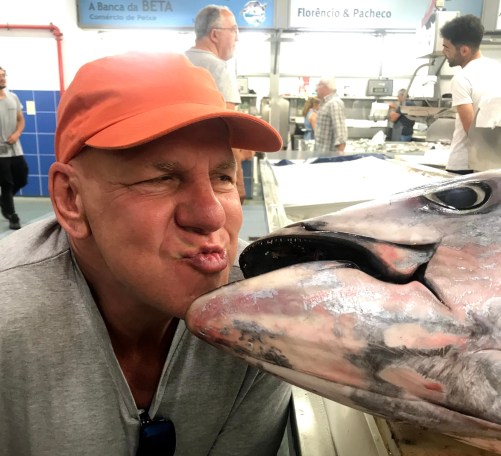
    Definitely more of a kiss than a smile, but we’re both happy 🙂
  • Dying With Dignity

    monochrome photo of statue
    Photo by Alain Frechette on Pexels.com

    There has been a great deal written about euthanasia; the dying process, survivors, and the law. Society has made tremendous progress with more states and countries passing laws that give individuals the right to decide when to die. When I was a teenager I saw a film titled Soylent Green (1973), and although the premise was disgusting (humans turned into food), it had a profound affect on me. In the film, when it was time for people to die, they were placed horizontally on a comfortable bed where filmed images of nature played all around them and soothing music could be heard in the background. I believe they were given a pill and soon after, they would gently fall asleep and die peacefully.

    I wondered why this was not an option for all of us at that time and I continue to feel strongly that we all have a right to choose when and how we wish to die. Strictly my opinion and you certainly do not have to agree. Again, it’s about the freedom to choose.

    Euthanasia is the termination of a very sick person’s life in order to relieve them of their suffering. A person who undergoes euthanasia usually has an incurable condition. But there are other instances where some people want their life to be ended.
    I have twice in my life been asked to assist individuals in dying. On both occasions I found a way to help without actually doing the deed. Hospice is a true gift and certainly an option when an individual is nearing the end of life. If you’ve never been on morphine, trust me, the feeling of euphoria is ever present. It provides a way to see death through peacefully. However, the ability to walk, drive, or travel by boat or plane to a place of your choosing, where you can be assisted in choosing precisely when your life should end, is hopefully becoming a reality in more places. There are now eight states in the United States where assisted suicide is legal; Oregon was as early adopter and most recently the state of Maine made it legal. It’s sort of like the legalization of marijuana, slow and steady.
    There are also many countries that have legalized assisted suicide:  Canada, Belgium, the Netherlands and Switzerland, to name a few. I have started to think about where I would want to go if I knew that I had only a short time left and that I might be a burden to those who love; a game changer for me. I do not want anyone to ever have to change my diaper. I know there are a few people in my life who would tell me that they would gladly do it; however, whether they would do it or not is irrelevant — if I can help it, it’s not happening. Because I have not travelled everywhere in the world (so much of the world to see while I am healthy), at this point I would probably travel to Switzerland for assistance. The natural beauty of the country and the gentleness of the people, would make it a more beautiful experience for me. And yes, I do see the end of one’s life as a beautiful thing. Not a tragic or untimely death;  I mean the point at which one becomes at peace with the knowledge that death is inevitable and part of the life cycle.
    So why does this topic make so many people uncomfortable? If someone you love is dying and they want to discuss assisted suicide with you, you could show them how much you truly care for them by listening and being open to this option. Here I go “shoulding” on you. Obviously, if you can’t handle the topic, you should not engage. On the other hand, attempting to talk someone out of it seems selfish to me.
    I’ve already planted a couple of seeds with people I am close with, just in case it ever comes to this. I will seek support from those I know will be there for me. I would probably not share it with those I believe would judge me or try to talk me out of it.
    Reading and Resources:
    I will be sure to consider a more upbeat topic for next week, although, I am close to taking a few weeks off.


  • Living With a Lie

    “There are only two things. Truth and lies. Truth is indivisible, hence it cannot recognize itself; anyone who wants to recognize it has to be a lie.” Franz Kafka

    My mother’s lies taught me two things:  First and most harmful, it was acceptable to lie, and second, secrets are impossible to keep.

    I had a beautiful half-sister who died a horrible premature death several years ago; she was in her mid-forties. In fact, it was her birthday a couple of days ago and it was the anniversary of my brother Anthony’s death. My sister Grace found him with a needle in his arm on her birthday. She was already far gone by then and I’m certain, finding her (our) brother lifeless in her own home, must have sealed her fate.

    No photo description available.
    Gasha to my left

    My sister Grace or Gasha (the way we spelled it), as she was known to close family, was a troubled child. She wore thick glasses and was labeled “four eyes” by her siblings and peers. We also called her monkey because of her button nose; kids can be mean and her brothers and sisters were the cruelest of all. I am not claiming innocence; in fact, I may have been the worst culprit. Perhaps it was the secret I held onto that drove me to cruelty.

    My parents argued a lot; in fact, they argued night and day. My father would come home from work at midnight and my mother would dig in her hateful claws. Having been exposed to this behavior early on, I worked hard to tune them out and fantasize about a quieter world that I knew existed elsewhere. My memory of their relentless rage goes back to pre-school and a time when I was too young to understand the complicated world of adult anger. One particular memory is vivid because it involved a lie I did not understand at the time; I may have been five or six years old.

    Many angry words were exchanged during one very loud shouting match and most of those words were as difficult to comprehend as a foreign language. For some reason I held onto something my father said, “Grace is not my child.” At the time I thought it was odd for my father to say such a thing and so, I dismissed them from my thoughts. Every so often I found myself daydreaming and reflecting on these words. As I grew older and more inquisitive, I wondered why my father said this to my mother. I looked at my sister differently because of what my father said. I naturally wondered who her father might be, if it were not my father. I was not aware of an affair my mother had with her first husband while she was married to my father.

    When I turned nine, there was a lot going on around me; my only living grandparent passed, my mother was divorcing my father and marrying my stepfather, and I was repressing my sexuality (I remember having some strong feelings toward one of my mother’s male friends). My mom and I would occasionally spend quality alone time together — rare because she had seven children. On one of these occasions, I decided I would ask her about Gasha. My mother had a way of drawing me in as a close confidant and then shoving me away. I can’t blame alcohol because she wasn’t a drunk, but her father was an alcoholic and physically abusive; perhaps it was his influence. As a child I longed for the kind of closeness where you felt honest love and affection — not likely to get it from my mother, but I never stopped trying.

    We were sitting on her bed watching an old black & white film and she was running her fingers through my hair. I may have been as happy at that moment as I would ever be with my mom.

    I looked up at her and said, “Ma, who is Gasha’s father?”

    My mother pushed me to the edge of the bed and said, “Where do you get these ideas?”

    I told her that I had overheard an argument she had with my father a few years earlier and she told me that I was imagining things.

    “Who would Gasha’s father be if it wasn’t your father? Honestly Chris, I worry about you.”

    I wanted to believe my mother, so I let it go . . . until a few years later when this happened:

    I was having dinner with my father at the restaurant where he worked. Our meals were very special to me and we always spoke openly and earnestly. I’m pretty sure I was in my teens at this point. I had accidentally seen my parents marriage license and came to learn that my mother and father didn’t marry until I was three years old. I’m not sure why, but it didn’t bother me. My dad told me that they couldn’t marry because my mother’s first husband was in prison and there was a law about divorce and incarceration back then. He said that they married as soon as they legally could. I shrugged and decided this would be a good time to ask about Gasha. I sort of tricked my dad and acted like I knew for certain that Gasha was not his biological daughter.

    When I asked him who Gasha’s father was he said, “Joe is her father, but I adopted her and so she’s my daughter now. How did you know about this? Did your mother tell you?”

    I shared that I had overheard an argument between the two of them when I was a kid and he grabbed my face and squeezed my cheeks; something he did to show affection. He hardly ever said anything negative about my mother and I wish I could say the reverse were true.

    When I asked him how she ended up with Joe while married to him, he said, “Your mother has always been a bit wild.”

    Truer words had never been spoken. Now that I knew my suspicions about Gasha were true, I had to consider what this meant for my relationship with her, how I felt about my mother lying to me, and whether or not I should share the truth with Gasha and our siblings. I knew early on that it would not be fair to share the truth with her. It was my mother’s place to tell her the truth. I was tormented by the lie. I did not approve of my mother’s infidelity and I could not understand why she denied the truth all those years ago. In my mind, I could never truly trust my mother again — in truth, I doubted her always. I’m also certain that I felt betrayed by my mother and it has had an affect on every loving relationship in my life.

    My mother did eventually tell Gasha who her biological father was. I’m not sure when or where it happened. My brothers and sisters found out at some point as well. It seemed to me at the time that no one cared about the indiscretion or the lie. I questioned my own reaction to it:  had I made too much of it? Did it really matter? As an older adult I am obviously still questioning the lies I faced as a child and young adult — there were many others.

    I recall often looking at Gasha and wondering who she resembled. When she would behave a certain way that was odd to me, I would explain it by considering who her father was or was not. Gasha had a severe eating disorder and made several bad choices in her life. She was angry, she isolated herself from those who cared about her, she refused to acknowledge her disorder, and she trusted no one. I cannot help but wonder if the knowledge that she was conceived during a torrid affair, had had a huge impact on her life and her ability to cope. Knowing her biological father was willing to allow my father to adopt her, must have tormented Gasha throughout her life; her self-worth was shattered.

    My mother had a very complicated relationship with her and Gasha was resentful of the way she saw my mother treating the rest of us; she seemed to always feel slighted. I was aware of both the way she was treated and the way Gasha perceived it. I had conflicting feelings about my sister. There was a part of me that believed she didn’t belong and I’m not proud of those feelings. At the same time, I felt sorry for her.

    Gasha’s downward spiral was difficult for me to watch. She married trailer park trash and she had a child with him. Freddie shot himself in the head early on in their marriage. I remember visiting her in Knoxville, Tennessee and thinking that there was hope that she’d come out on top of all the drama in her life. Unfortunately, I was wrong. Bulimia took hold of my sister in her early 20s and never let go. All four of my mother’s daughters suffered from some sort of eating disorder as a result of my mother’s obsession with weight. Gasha lived in complete denial — the disease and the consequences of starving one’s body of nutrients destroyed her life. Her two children suffered the most; watching her abuse herself on a daily basis, had to be impossible to observe. Out of respect for my niece and nephew, I will refrain from commenting on their current lives.

    The question is, was it the lie that destroyed Gasha’s life or was it her personality and the circumstances of her illness? I guess we’ll never know for sure. What we do know is that shielding her from the truth all of those years was not productive or right. If her biological father had stepped up and assumed his role asher father, might she have been stronger and felt more loved? I have to believe she would have embraced her father and adjusted to her circumstances. After all her two oldest sisters had the same biological father. But after being adopted by my father, Gasha, was instead forced into a situation she did not ask to be in and was prevented from being with a man she might have loved. I’m not a psychologist, however, I am fairly certain that Gasha was thrust into a situation that would have caused anyone pain and anxiety. It was a lot for a young person to take on and in truth, she had to endure the ramifications of this terrible lie, on her own. It’s a small miracle she was even with us into her forties.

    When faced with the reality of a difficult truth or keeping a secret, always go with the truth. As hard as it is to share that secret and cope with its consequences, that reality is far better than living a lie.


    “When you check your own mind properly, you stop blaming others for your problems.”

    Thubten Yeshe

  • Permission to Forgive Granted

    If you’re anything like me — and God help you if you are, you’re fairly hard on yourself. You can spend a lot of money trying to figure out why you’re like this, or you can just accept it as fact and use it to your advantage.

    black and white business career close up


    Self-Evaluation

    People who are hard on themselves usually spend a lot of time thinking about the way they did something or said something, presented themselves, worked on a project, planned a presentation; pretty much scrutinize every aspect of their lives. You go over it in your head a dozen times. This process, although it can keep you awake at night, is not necessarily a bad thing. My suggestion is to force yourself to come up with an alternative that would be more productive the next time you do whatever it is that you’ve done.

    For example:  You decide to confront a friend who has been consistently late for a dinner date. Your friend gets to the restaurant 30 minutes after your scheduled meeting time and you’re angry. As they approach the table at the restaurant, you stand with your hands on your hips and you make certain to tense up your facial muscles and you stare her down. She apologizes and you say, “I’m tired of your excuses; if you cared anything about me and my time, you wouldn’t do this to me.” Your friend gets defensive, tells you that you have no idea what it’s like to be her and that she almost cancelled because she has so much going on. You both sit down angry, with no appetite, and no resolution. You both leave the restaurant wondering if your friendship can survive this confrontation.

    You can stew on this forever or you can decide that there was a better way to approach the problem. This, of course, is only if you value your friendship; some friendships are more work than they should be. Writing down various solutions are “next steps” can help purge the problem and free your thinking up for other thoughts.

    You can try calling your friend and letting her know that she means a great deal to you and that you have come to realize that she deserved better. She now knows that you do not appreciate her tardiness and that you had gone past your level of tolerance. Remember, forgiveness and taking the high road are very freeing. You can try saying this:

    Jane, I realize that you have a lot going on in your life these days and I really appreciate that you still make time for me. Perhaps in the future we can decide on a time to meet that is more practical for you. For example, if trying to have dinner at 7:00 p.m. is stressing you out, perhaps we can meet for a drink at 8:30 or 9:00 instead. Or maybe a weekend brunch would work better for us . . . or a morning walk.

    Your letting Jane know that:  1) you understand her, 2) you’re willing to work with her, and 3) you obviously want to see her. She’ll feel a whole lot less defensive and more understood. I’m pretty sure she’ll be on time in the future. And if that doesn’t last, you need to re-evaluate how important being on-time is for you.


    Give Yourself a Break

    I’m so much easier on others than I am on myself. Lately, I stop for a second after I disappoint myself and I say, how would you have treated your friend David if he had done the same thing? Nine times out of ten the answer would be that I would let it go. Often, it was an innocent mistake or there is a simple explanation and therefore, I let it go. If I can treat a friend that way, I can do the same for myself. You’ll find that when you treat yourself fairly, you will performing an act of kindness and it feels just as good when you do it for yourself. In fact, it really needs to start with you; empathy comes easier when you know how it feels.


    Worst Case Scenario

    By now you know that this is my modus operandi. Consider the worst thing that could happen. You will normally discover two things:  1) the worst thing is not likely to happen, and 2) if it did, you would survive it.

    For example:  When I decided to move overseas I naturally experienced some anxiety. What if I hate Portugal? What if the people there don’t speak English? What if my money runs out in two years? And on and on. A good friend realized that I was anxious over the “what ifs” and said, “Chris, why are you so worried? If it doesn’t workout come back to the States. You’ll always be an American citizen and you’ll always have a home here.” Duh, permission granted to stop worrying.


    Treat Yourself the Way you Like to be Treated

    Why is it so hard to treat ourselves with love and respect? I know it’s a loaded question and very difficult to answer; however, why not start today. Like any habit, it’s learned behavior — you have to do it and then repeat it over and over again; after awhile it will become a habit. You will see, you’ll do it without thinking about it. Try it one day soon:  look at yourself in the mirror and tell yourself that you are not perfect and that’s okay. In fact, it’s even better than okay, it’s the preferred way to be. Perfection is hard to be around; it makes one feel inadequate and less than. You are enough . . . I am Enough.

    A few years ago I was told that my laugh is a little loud. I became self-conscious about it and I stopped laughing. I stopped until a work friend told me how much he loved my laugh. He said, “Chris when you laugh everyone hears you and we all laugh with you; your laugh is contagious.” That person who told me my laugh was loud, for whatever reason, could not handle joy. I can be sad about that, but it shouldn’t stop me from laughing.


    Nova Cozinha

    One of the things I discovered when I moved to Faro was an absence of contemporary restaurants. There were a couple of trendy burger places and a fancy Italian restaurant, but no Michelin quality eateries . . . until now.

    https://www.facebook.com/Alamedarestaurante.rooftop/?epa=SEARCH_BOX

    Alameda Restaurante is a very special place walking distance from my apartment and I’m thrilled. The above link is just a quick endorsement for Facebook. I want them to succeed.

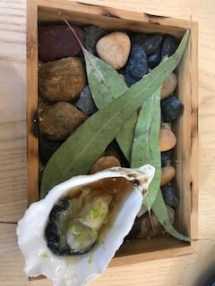
    IMG_4223.jpgIMG_4225.jpgIMG_4227.jpgIMG_4228.jpgIMG_4230.jpg