I keep a journal. If I were to look back over the past forty years, I have no doubt that I have written ‘keep your mouth shut’ 698 times, at a minimum. At this point I should just accept defeat, but it’s not in my nature to do that. In keeping with my list making proclivities:
When you speak your truth you risk having the person you are speaking to declare that your truth is not a shared truth.
What you share might be perceived as confrontational, therefore, angering the recipient.
Bringing up an issue can cause a problem to explode; becoming larger than intended.
Not sharing can cause resentment because the problem will not usually go away on its own.
You might share a confidence only to learn the information has been shared with others.
Not sharing may mean trust issues with others who sense that you are not being forthcoming about “stuff.”
Sometimes small issues fade away and lose their importance. For example, you are upset with someone because you’ve done something significant for them and they have not said, “thank you.” Time goes by and they share their gratitude about something unrelated. You may come to realize that the person may believe that they’ve already expressed their gratitude or they might be so caught-up in major concerns, that relaying thanks unintentionally slipped their mind. Forgiveness is essential, but grace isn’t always easy. A sincere thank you has always been a requirement for me.
Your thoughts can become distorted over time. It’s human nature to fill in blanks and see only what we desire to see. Speculation can be a disaster.
It’s important to first consider who the recipient of your words is — is it someone you trust and care about? If the answer is “no” for either or both, you should consider keeping it to yourself. One of the reasons I journal, make an entry and move on.
Do you have a proven track record with the individual who will hear your words? Some relationships are built on speaking your mind. A foundation can become stronger and more durable (or it can crumble to the ground).
Can you live with yourself if you decide not to share? For example, you suspect your best friend’s boyfriend of cheating. You might have irrefutable proof, but you have to ask yourself if you are prepared for the reaction you might or might not get.
You firmly believe a friend is an alcoholic. Is it up to you to get them help or guide them to assistance? Is remaining quiet even possible for you? Is it fair to discuss the issue with others who are close to the individual? Are you willing to risk losing a friend or family member? If a person doesn’t recognize that they have a problem, you will probably fail in convincing them. I have always found this to be a difficult dilemma. You can of course apply this to any substance abuse.
You may be wrong. You need to be prepared to learn that and make an apology.
Politics has become a hot button for many. I don’t mind sharing my POV, but I know my leftist woke values can be controversial.
If you know your words will not be heard or considered, why bother?
Obviously, not an exhaustive list. I’m more consumed by outcomes than I believe is healthy. I admire people who question their thoughts, shrug and move on. As I stated earlier, that’s not who I am. My sister recently told me that she was listening to some great communicator who said, “Don’t spend too much time thinking about what others think of you. These people are more than likely not thinking about you at all.” I’m paraphrasing, but I think I captured the gist of what she was trying to convey. Yes, I do believe there is some truth to this, I think most of us care a great deal about what others think; especially when we respect and value these individuals. As I’ve gotten older, I feel like I care less. Retirement has a way of helping you set boundaries, manage priorities, and dwell on things a bit less.
This took time: I couldn’t care less what certain faculty members I worked with thought or still think of me, because I have little or no respect for many of them. It’s like believing something a liar says; if a liar lies most of the time, why would you think the one thing you know is probably a lie, might be true just because they said it?You’re giving the liar too much credit. I should also be clear that there were many that I did respect and admire.
Caring about the little things a little less probably has something to do with knowing that you have already lived more than two-thirds (or more) of your life.
Please share other scenarios where speaking up or staying quiet might be a consideration.
State-of-Mind
I’m not going to lie, I’ve been in a funk. There are several things happening around me that are beyond my control. I’m a fixer. If I cannot fix something or improve upon a situation, it makes me anxious, so . . . I’m anxious now. And this too shall pass.
I love spring and early spring has come to southern Portugal; birds are singing and flowers are blooming. I’m hoping nature will lift me up. I’ve never suffered from depression; however, I occasionally go down a dark rabbit hole. I know the only way out is to switch to more positive thoughts and practice gratitude. I realize that I have a great deal to be grateful for.
“The best use of creativity is imagination. The worst use of creativity is anxiety.” ― Deepak Chopra
Those of you who know me will just read this with a knowing smile. Hopefully this blog will help you understand the decisions I make. If you don’t know me, you may read my content and relate to how my brain works or you may think me mad. I often have to remind myself that we are all wired differently. I have a neighbor who is 97 years old and in the hospital in Faro for the second time in a few weeks. I’m fairly certain he will not make it out. I’ve known this man since arriving in Portugal and I have observed him with fascination and awe. He lived in a house nearby until a few years ago; I spent time with him in his former residence; wine, a few meals, some laughter. His father was one of the individuals responsible for building the building I live in. Apparently he wanted to build a home on the building’s corner lot and the city would only allow a high rise. So he built a large seven story structure in the 60’s that is now part of the city’s historical register; the building garnering multiple architectural awards. I feel fortunate to reside in this building. He and his partner decided to move into an apartment he had been leasing to someone else. On the day he moved in, I went out onto my terrace and I observed him helping the movers carry boxes and other belongings into the building. I couldn’t help but be blown away by this. A few days later, I got off the elevator and I found him on the lobby floor filling a small hole in the marble. The man was 93 years old. That level of care for the common area where we reside got me thinking about my own intentions and what I am most passionate about.
I know that every human is different: how we see the world, how we navigate life, and how we think about ourselves in relation to the rest of society. I know that nature and nurture play a major role in our orientation to the world. When I look at this man, I see someone who is 100% invested in every aspect of life. When he is not in hospital, he conducts experiments, he enjoys eating, doing so slowly and with delight, he shops, he listens to music, etc. This is how he was only months ago, I can only imagine what he was like as a young man. When his light is extinguished, we will have lost a rare human indeed. Back to how this relates to me.
In some ways I am young — well compared to him I am. Still, when I think about my life, I consider this my final chapter. I have no idea why I am this way. I have mentioned in an earlier blog post that I purchased a term life policy when I was ten years old. I paid the premiums with my allowance. To be fair, because of my age it was only a dollar a month, but looking back, I think it was a bit premature to have such a policy. I didn’t want to leave my mother with debt. Lulu just laughed at me hoping it was just a phase; it wasn’t.
I continue to plan way too early. When I was 12 years old I flossed so that I’d still have my own teeth later in life (was repulsed by my father’s false teeth sitting in a glass in our shared bathroom). I had a bank savings account when I was 13. Trust me it only had a few dollars in it. The bank used to give you a little book, the teller made handwritten entries when you made a deposit or withdrawal. I mostly saved for Christmas gifts. I started paying rent on an apartment when I was 17 years old; I didn’t like giving my money to a landlord, so I saved for my own place. I knew in high school that I wanted a Ph.D. I didn’t really understand what it was, but I knew that if I was to get one, it would mean something . . . and it does.
There are many other examples of this kind of compulsive behavior; perpetually trying to get ahead of what might come my way. The operative word there is “might.” It’s pretty obvious that a life insurance policy at 10 years old was not practical, I should have been buying toys or candy. The big question is: Is it helpful or hurtful to look so far into the future and anticipate one’s needs? I imagine the answer is that it is both.
For example, being determined to earn a higher degree was very positive. I didn’t really have the acumen for a Ph.D., trust me it’s true. What I had was grit and determination and that’s what got me through it. Had I not thought seriously about it early on, I would never have gotten the grades needed to be accepted into NYU’s doctoral program. I kept my head in the books when everyone I knew was dancing the night away. Do I have regrets? Yes, in truth I think my desire to succeed academically meant that I pushed too many things to the side. I normally don’t like to play the coulda, shoulda, woulda game, but since I’m writing about it . . . I feel like I missed out on a lot of fun as a young person (excluding sports which I didn’t like because I was uncoordinated and bullied).
Hanging out with friends, sleepovers, weekend trips, concerts, and all of the other things young people did back then were not a part of my world, because I was too serious. I’m not sure what came first: being an introvert and, therefore, avoiding group interaction or spending so much time studying, I became a loner. I’m not sure it truly matters. I’ve come to accept who I am, the good, the bad, the insane.
The danger is that I will look into the future and decide that the obvious next stage of my life is to stay in, read, watch streamed films or series, eat, drink, rinse and repeat. I’ve already trimmed my travel schedule because getting on an airplane has become such an unpleasant and unpredictable experience. I’ve decided to mostly stick with brief, local experiences. The States is the furthest away I will travel and I will only travel there in order to see the people I love.
I’m fortunate to have friends who put up with my excessive planning. I’m sure that some will humor me and go along with plans for a trip over a year out. I’m certain others talk about how anal retentive I am behind my back. No matter, as they say, “It is what it is.”
The question is, will I plan for my own death? I’m pretty certain I will (probably because I already am). I am too much of a control freak to allow someone else to decide on the details.
Things I do to prepare:
my bedroom for sleep in the early afternoon (shades, pull back duvet, lighting)
several meals days in advance. I love the anticipation
I start to pack about 10 days before a trip
If I know I’m about to have a difficult conversation with a professional (i.e., attorney, doctor), I take notes prior to our meeting
I started taking supplements for middle and old age when I was in my early twenties
I’m usually the first to RSVP
I’m usually waiting for people at a restaurant or meeting place
I did a living will in my 30s
I look at the weather 10 days ahead (as you know, it often changes)
I used to lay out my outfit the night before. I stopped doing this because I don’t care about what I’m wearing anymore.
I save addresses in Google Maps long before a trip.
I replace things in my pantry and cleaning supplies closet long before I run out. When I die, someone will inherit paper towels for a lifetime and enough tuna to feed Japan.
I used to remove my guest’s plates from the table while others were eating. I’ve since relaxed a bit.
90% of the time I tell my guests it’s time to leave. I usually use walking Paco as the reason, but most people are smarter than that.
There are things that I’m too embarrassed to include here.
State-of-Mind
Paco update:
For those of you following Paco’s health issues, I thought I’d let you know how he’s doing. His prognosis is extremely involved and precarious, so I’m not going to say much. A bacterial infection in his outer ear spread to other places. His treatment began in early March 2025 and it’s been a physical roller coaster ever since, causing the two of us a good deal of grief — Paco pain and discomfort and me, doubts about medical procedures and of course, concern for his future. He’s been on eight different medications, four antibiotics administered three different ways, steroids, painkillers, dietary supplements, and he’s had three surgeries in the last two months. He had a procedure on Friday that may or may not have helped; I won’t know for a week or two. In the meantime, I’m giving him daily injections of his forth antibiotic and local antibiotics (this treatment being our last hope). I’ve never been through anything quite like this; it has taught me patience and more about bacterial infections than I care to know. This particular bacteria is known to resist most if not all antibiotics. I wish I could say more about it. I appreciate those around me who have provided support and comfort.
Further update (since I started this blog): his vet says she sees signs that Paco is finally responding to the treatment, but I hear congestion in his lungs and it worries me.
I’m taking a quick trip to the Loire Valley in southwest France to clear my head a bit. Stepping back has always been good for me. I think when you’re in the thick of something for an extended period of time, you sometimes lose perspective.
I will go back to short stories very soon. I just needed a little break.
“You have power over your mind – not outside events. Realize this, and you will find strength.” — Marcus Aurelius
I’m using the word “immigrant” throughout this piece, versus expat, because many believe that individuals who have relocated to a foreign country use that word as if expats are superior in some way to immigrants. It’s all about perception and marketing. expat noun
a person who lives outside their native country.
immigrantnoun
a person who comes to live permanently in a foreign country.
I think the angry sentiment has a lot more to do with how immigrants are being perceived and treated throughout the world. Let us not forget that many individuals fleeing their home country have very little choice but to leave. People like me leave the United States for many reasons, however, they are not leaving due to ethnic cleansing, bombs being dropped on their homes, the inability to feed their children or themselves, religious persecution, and other unfortunate possibilities. To be void of compassion for these people is horrific. The absence of empathy in our time is astonishing.
I’m writing this piece for two reasons: first, people often say to me, “You are so fortunate not to be living here right now,” or second, “If things were different, would you come back?” I want to respond to both candidly. At first I thought I’d be setting myself up for ridicule and judgment, but in the end, I don’t really give a shit what people think of my responses/explanation. This is my platform for self-expression and I will continue to share what’s on my mind. That’s not to say I don’t care about what people think; I do. But if I’m being honest about what is in my heart and I am judged for it, that lands in the “that’s your opinion box,” In the end, it’s a whole lot healthier to refrain from listening to people who might be righteous, jealous, or brainwashed. When you lay down your head at night and you think about your actions, there truly is one person you answer to. If you’re religious, you might answer to god. As a non-believer, I answer to myself.
Why Did I Leave?
As with many things in life, it’s a multi-faceted, complicated, explanation.
First and foremost, after years of travel and discovery, it was always my intention to experience a new place that is vastly different: including language, culture, cuisine, art, music, landscape, etc. I never felt tied to one place, ever. Whenever I was living in a place and I began to feel that it might no longer be a good fit, I would move on. Why that feeling might happen is also complicated. I would have to say much of it is on me: restlessness, resentful of the behavior of people around me, financial strain, career choices — all have had an impact on my past decisions and may affect future decisions.
I loved Brooklyn, however, a work situation became untenable, therefore I quit the job. I relocated to Maine knowing that in order to remain in Brooklyn, I would need a high salary position which would only lead to more stress and health issues. I started a consulting business in Maine which took-off after three years. I was enjoying new friendships and the liberal attitudes in Portland, but when Donald Trump was running for president the first time (2016), I vowed to leave the country if he won. I was naive and jaded due to the places I had recently lived and the people I surrounded myself with. When Trump won, I immediately began the process of leaving the U.S. I would have moved to Europe eventually; therefore, in my mind I was just speeding things up a bit.
Why Portugal
At the time of my decision, Portugal was quickly becoming the number one place for individuals seeking a better life in a foreign country. There were tax and other incentives, further, acquiring a visa was not as difficult a process as it has become. Portugal is in a much stronger place economically and its citizens have had enough with the influx of people who buy up properties at a premium and receive tax breaks. I definitely can understand their resentment. On the other hand, immigrants have helped Portugal become more economically independent. In addition, vast infrastructure and aesthetic improvements have been made. Many Portuguese people would argue that these improvements have come at too high a cost; in fact, some believe that the overall quality of life has not improved, but has worsened. That’s a debate for people who know more about these things. I like to think that I add value to the overall quality of life.
I chose Portugal because of its close proximity to the U.S., its beautiful culture (music, cuisine, landscape, history), and its warm and gracious people. I’ve never looked back. In my heart I believe it was the best decision of my life . . . after coming out of the closet.
How I am Treated
The Portuguese people who are curious about my decision, often ask me the same question: Why did Americans put Trump in Office? He’s not very well liked by most citizens of Portugal and they don’t feel that they get honest answers from the media or Portuguese Politicians. Portugal has a long standing friendship with the United States; politically, poking the bear is not an option. When people find out I’m from New York, they are confused about why I would live in a place like Faro. Most are thrilled that I love their small city. For many in Portugal, New York City is a dream (just based on feedback I receive, not verified data).
Many Americans no longer agree with what the Lady in the Harbor stands for.
How I Feel About Being An Immigrant
I know it’s not practical and could never be the case, but still, I believe everyone should be allowed to live anywhere. Criminals, individuals who’d rather live off of others, and people who enjoy making others miserable, should have their privilege revoked. Who decides all that is one of the reasons it probably wouldn’t work.
I moved to Portugal because I have the means to do it. My roots in the United States are not deep. Friends and family can travel; also I do reluctantly go back every now and then. I know that there are people in the U.S. who firmly believe that I have abandoned my country and there are people in Portugal who believe I don’t belong here. As a gay man, I have always felt like an outsider, making dealing with these types of people easier. If you don’t like me or you don’t appreciate what I stand for, kindly go back into your own lane. I have developed some beautiful friendships with people here, but in truth, I will never really know what non-friends think of me.
I enjoy going to the market and attempting to speak Portuguese to the vendors. They correct me and laugh with me and I love that. I get very excited when I’m driving in a roundabout and I realize I’m in the correct lane (it’s an art form). I love discovering new dishes I have not tried before. Believe it or not, sometimes I take an eight minute, nine euro Bolt to Faro airport one hour before an international flight — only if it’s a 6:00 a.m. flight (first flight of the day). I breeze through security and I’m at the gate in 15 minutes. I love when there’s live Portuguese music at the outdoor local market on a blue sky day. Fortunately, the Algarve averages 300 days of sunshine a year. I laugh when Algarvians talk about rush hour traffic. “It took 20 minutes to get home instead of the 10 minutes it takes on a Saturday.” And imagine how awful it is to have to circle your block once or twice to have to find free parking near your apartment. One of my favorite things is paying seven euros to see a film and not having to wait in line at the cinema (and popcorn is five euros, not ten). I know it’s directly correlated to salaries and the Portuguese economy, but I don’t mind the benefits. There are so many upsides to being an immigrant in Portugal, I can’t possibly name them all. I recently learned that Portuguese people hate when anyone says Portugal is cheap and I can’t say I blame them. It’s all relative.
I’m not rubbing your nose in it. I’m sharing these things because people are often curious. It’s human nature to want to know. Except for some individuals who can spend three hours sitting next to you at a dinner party and not ask you a single question about yourself. There are a few people from the States here who are like that. Unfortunately, they are too self-involved to see it. I’m not bitter, no.
Sure there are some negatives: Americans who will only interact and be friends with other Americans, people who relocate to Portugal and never attempt to learn Portuguese. “Why should I learn Portuguese when the Portuguese prefer to speak English?” That one really gets my goat. Or “I don’t understand why they don’t carry Tylenol here.” So many of these kinds of comments. The Portuguese (generalization, my apologies) are very private people. They enjoy their families, they drive fast, they’re often too proud to admit they might be wrong, but they will run to your aid in a quick minute, they will greet you with a smile, and they will not judge you based on your socio-economic status. Healthcare is excellent and reasonable, car insurance is reasonable, and milk and eggs are reasonable. Sorry, I couldn’t help but throw in some more positives and I didn’t say cheap.
You know you’re in the right place when you have no desire to live somewhere else. I came to Faro with the knowledge that I could always go back to the U.S., that I could move to a different European country if I wanted to, or I could move to a different place close to where I live now. For the first time in a very long time, I am content to stay right where I am. I know that if I’m dissatisfied with something I can speak up. But more often I think, I am a guest in a country that has welcomed me in, it is better to behave like a guest and graciously accept some of the very minor inconveniences. I hope that answers your questions. If not, drop me a line.
Eight years in Faro.
The beautiful view from my terrace. The Ria Formosa with the Atlantic Ocean beyond it.
Current State-of Mind
My sister passed this week. I have now lost five out of 10 siblings: three half and two from the same two parents. I never felt that it made a difference, half or whole. When you share your life and love from the very beginning, it’s the same. I want to honor AnnMarie by acknowledging the sacrifices she made for me, my brother and sisters, her partners and her children. She was strong but insecure, intelligent but unbending, and she was full of joy much of her life; her laugh was contagious and I loved her for it. I hope her four daughters and six grandchildren find peace in her passing.
I would like to have a break from the reminder that life is temporary and that we are not guaranteed another moment, let alone another day.
Paco had surgery to address a serious and sometimes deadly bacteria; he is fighting hard, but I fear he is not improving. I’ll write more when he is out of the woods.
Walking away from toxicity and deliberate hurtfulness, has been a difficult challenge. Until about six months ago, I didn’t feel that I was making very much progress. I’m comfortable reporting that I am taking care of myself these days. And hey, on the flip side, for those not giving up on me, thank you. I’m no piece of cake.
“Loving life is easy when you are abroad. Where no one knows you and you hold life in your hands all alone, you are more master of yourself than at any other time.” – Hannah Arendt
The voices in his head tell him to do things he shouldn’t do. Open a bag of chips at 2:00 a.m., call his ex and hang up, pour a third glass of wine; innocent enough. Not lately. Lately the voices are louder, more demanding. A couple of days ago he walked up to a stranger and told him that if he didn’t pick up his dog’s shit he was going to shove it in his face. To Mark’s surprise, the guy picked it up and said nothing. Certainly not the outcome he expected; especially not in Camden, New Jersey.
This emboldened voice worried him. What if Mark did what it told him to do and he wound up dead or worse; perhaps in a wheelchair for the rest of his life. He decided that a therapist wasn’t going to solve this problem; what he needed was solitude.
In the meantime, Mark keyed a car that was parked on the sidewalk, he destroyed a motorbike that had somehow lost its muffler (the owner of the bike lived two streets away from his house), and he accidently pelted a selfie taker with an extra large egg. He didn’t want to or mean to do any of these socially unacceptable things, but that voice was ever present and insistent.
Mark was feeling conflicted, not knowing if he would be held accountable for his bad and perhaps even criminal behavior. After all, he was not that guy. Or was he? Was this voice speaking to him his own thoughts? Nah, he would never think that egging someone might be appropriate.
After months of trying to mitigate this vindictive voice, he decided to tell someone. Choosing whom to confide in was not an easy task. Most of the people in Mark’s life would either judge or disown him. He was already a loner, therefore, losing non-existent friends was not an option. He was certain that his family was more fucked up than he was, so he ruled them out as confidants. There was this one guy at work that he thought could handle his dark thoughts. Gary was also a loner, usually quiet, and often aloof. He was sort of an enigma to most of their co-workers. Mark knew that these days, this type of person was just ignored or totally avoided. Gary couldn’t care less how people treated him or spoke to him. Mark had never thought much about it before, but he decided that he liked Gary.
Gary, you got a minute?
What’s up?
There’s something I want to run by you. Are you up for a beer after work?
Sure Mark, but you’re buyin’.
Of course, whatever.
Mark must have changed his mind about telling Gary six times, but when it was time to leave work, he made the decision to alleviate some of the burden and unload. Mark suggested a pub about six blocks away. He wanted to make sure that no one from work would overhear them talking.
They sat staring at their hands on the table for the first five minutes. Mark finally said,
Hey Gary, do you ever feel like your mind is telling you to do things you may not want to do?
Like whatcha mean?
For example, you’re standing over the sink and your brain tells you to smash a glass your washing against the wall.
Oh yeah, I’ve had that kind of thing happen.
Really? Have there been other things your head has told you to do?
Well yeah, but why are you asking?
You want another beer?
I tried to use AI to create a photo of a man setting a motorbike on fire, but AI would not create the image for moral reasons — I’m flummoxed
Gary went on to share some of the things he’d done. Mark wasn’t sure how to feel about it. He told Mark that he’d recently gone to the house of their boss to set his shed on fire. Mark gathered from their conversation that he didn’t appreciate being written-up for being ten minutes late. Some of his other confessed crimes were less troublesome. By the end of their four pints and numerous trips to the bathroom, they both knew they’d have to do something to quiet their dangerous thoughts. They made a pact not to do anything else without saying something to the other first.
A couple of weeks went by; Gary would pass Mark on the way into work and say nothing. Then one day he texted Mark to ask me if he wanted to get a beer after work and this time he’d be buying. Mark was a bit worried about Gary’s state of mind, but he was curious as well. They met at the same pub and chose a corner table. Gary was smiling, something Mark had never seen him do.
Mark quietly listened to Gary as he shared a plan he’d hoped Mark would help him to execute. Mark learned that Gary was married up until about two years ago. They didn’t have any kids together, but he had to move out of the house and say goodbye to his dog. Gary was bitter about his failed relationship and the loss of his dog and he needed to shake it off.
What amazed Mark was watching this quiet, introspective, and complicated man come to life. He became animated and showed passion in ways Mark had not seen before. Gary was slowly building up to an ask. He told Mark that there was something he hoped they could accomplish together, that he could not do it alone.
Gary went on to share his plan. It had to do with work, which Mark had anticipated. Gary had watched the management team fly on private jets, drive high-end company cars, and boast about big expensive accounts, for years. Whenever it was time to evaluate wages and benefits, there was never any money. He was sick of it. Mark had noticed it as well, but he wrote it off as typical corporate greed. His ears pricked-up when Gary said something about teaching the management team a lesson.
Just as Gary was about to share his plan, he asked Mark what he was thinking. Mark said he agreed with Gary that it wasn’t right, but he wasn’t ready to lose his job over it. Gary nodded and said,
Tell you what Mark, I’m going to zip it and let you sleep on it. This way you’ll know nothing about my plan and you can never be accused of being an accomplice. Let’s call it a night and revisit this at another time. Mark agreed that sitting on this for a while might be best. They shook hands and said goodnight.
As Mark walked to his car, he couldn’t help but imagine what Gary might be planning. He admitted to himself that the voices were stronger than ever and that he needed to act on them soon; he also knew that no good could come from it. He wanted to text Gary right then and there to share that he was in, but he didn’t know what that meant. He decided to wait until the next day — what difference would a day make?
His coffee brewing and his dog Kelly let out to do his business, Mark turned on the morning news. Saturday’s were usually light news days, but something caught his attention immediately. Running across the screen there was news breaking that six executives from Argyle, Mark’s company, were found dead in their cabins while on a company retreat about 50 miles north of Camden. When the newscaster finally got around to reporting the deaths, he said that it appeared they were asphyxiated. The executives were all male and the four who had wives had not brought them on the trip. Mark was relieved that only the CEO and five vice presidents were found dead; there were no other casualties.
The first thing Mark thought he should do was call the police, but what would he tell them? At this point he didn’t know for sure that it was Gary who was responsible for the murders; in fact, the newscaster said that the deaths may have been accidental.
Minutes later Mark received a text from Gary:
Are you watching the news? It’s incredible, I mean, they were all scumbags, but I wouldn’t have wished them dead.
Mark didn’t reply. He was in such deep shock, he didn’t know how to respond. One thing was certain, he would never have agreed to any plan with this sort of outcome. His demons hoped to cause some discomfort, perhaps a bit of psychological pain, but never death.
Mark continued to follow the news; however, not much had been learned about the cause of the gas leak. The men had all been in the main cabin, sleeping in separate bedrooms. There had been no sign of a break-in and there were no surveillance cameras in the house. The cameras outside had been turned off for weeks. It seems as if Gary had been planning this for quite some time.
On Monday morning, all 160 employees were gathered up by Human Resources. They were told that the Board of Trustees would be putting a new management team in place. The families of the men who perished would be announcing the details of their funerals very soon. The employees would be given time-off to attend. Mark glanced over at Gary who sat quietly staring ahead. No one seemed to suspect that he may have been responsible. The two sat down for lunch in the canteen later that day. Gary did not say a word about the incident.
Weeks passed and it was business as usual at Argyle. Gary and Mark never spoke of what took place the night the six men died in their sleep. Mark had decided that he had dodged a bullet; he respected Gary for his decision to act alone. He assumed Gary was responsible, but perhaps it was a tragic accident; he’d never know. In the meantime, the voices in his head remained silent and it would stay that way for the remainder of his days.
State-of-Mind
I have a dear friend who often tells me how much he enjoys this part of my post. I think he likes that it’s raw and unfiltered. But . . . to be honest, few people comment on it. To be even more honest, the voices in my head tell me to share less and less.
New year, new beginnings right? I’m not so sure in my case. Lots of emotional and physical healing in 2025; a little less of that would be a welcome change. I’ve been happier since I cut back on travel. It’s good to be home with Paco, sleeping in my own bed and eating my own food (most of the time). I enjoy eating out, but it was a big part of my career. It had unfortunately become burdensome and tedious. When I indulge in restaurant dining now, I like for it to be special — sharing simple food and drink with friends.
A new gym is a welcome change — better hours, cleaner, and less socializing. I go to the gym for a workout and for quiet.
Paco, my six year old pooch, has been fighting a tough battle with a very resistant bacteria over the last 10 months. He’s a trooper, but this fight has me emotionally exhausted. I hope we get relief soon.
I don’t do New Year’s resolutions, however, I have decided to increase my daily Portuguese lessons to 30 minutes. It’s a difficult language, but after eight years it’s starting to make more sense and it’s now or never.
“A dog is the only thing on earth that loves you more than he loves himself.” – Josh Billings.
It was no longer about what Steven had asked of him, it was much bigger than that. Jake was more driven, less concerned with what others thought of him. He was beginning to feel more alive, more empathetic, more like himself. He noticed his interaction with others was becoming fluid and genuine. What had brought this about he’d wondered.
When he left Esther’s house, he was feeling euphoric. The look on the old woman’s face was imprinted in his memory. In the car, on the way back to Berlin, he called Eric at Arolsen to let him know what happened in Rüdesheim. He felt that he could trust Eric at this point and share everything, but before he could tell Eric the details of what took place, Eric asked him to meet him for dinner.
“Jake, this is exciting news, can you tell me all about it over dinner tonight?”
Jake was pleased to be able to ask Eric for another favor in person. He could probably do some research on Rachel’s child himself, but Eric had been such a big help and he seemed eager to do whatever he could for Jake. Jake was grateful for Eric’s invitation. He thought to himself, what a great guy that Eric is.
They met at a very nice Thai restaurant close to Jake’s hotel. Eric was probably the most soft spoken man that Jake had ever met. He realized only moments after Eric arrived, that he was both nervous and excited; feelings about another man he had not had for a very long time. And then Eric said this:
“Jake, I hope you don’t mind my inviting you to dinner. I haven’t stopped thinking about you since we last met. I’m usually not this forward, but then, I’m usually not this smitten.”
Jake felt himself blushing. He did not hesitate to let Eric know that the feeling was mutual. He proceeded to fill in the Esther Roseman story with more detail. He watched Eric’s smile grow broader with every word — together they shared a moment of absolute satisfaction.
Eric knew this dinner was not just to spend time with Jake, although he was happy to do just that. He asked Jake what it was he wanted to speak to him about.
“I was able to find out that Rachel Schwartz was moved to one of the other camps, but also that she was pregnant when she left Auschwitz . I know this won’t be easy, but I was hoping you could help me find out if her child is still alive. Also, if he or she is living, where they currently reside. I’d like to find the rightful owner of Rachel’s ring.”
There was no question in Eric’s mind that although he’d need to do quite a bit of digging, he’d eventually find one of Rachel’s relatives. The rest of the evening would be all about getting to know one another, indeed they did just that.
Eric dove into the files the very next day. There were so many Rachel Schwartz’s listed in the database, but he had an approximate age, her pregnancy, and hopefully a record of her having given birth. He combed over the files from each camp for hours. Finally it was at Bergen-Belsen in Northern Germany where he finally got somewhere. Rachel Schwartz was recorded as deceased, however, she left behind a baby boy named Ian, with the same last name. Unfortunately, Ian’s whereabouts were unrecorded. Hmm, another common Jewish name, but he had an approximate age and a possible location. Ian was hopefully still in Bergen-Belsen when the war ended.
Eric discovered that anyone who remained alive at Bergen-Belsen, was put on a train to be processed in Berlin. He’d go through those records in the morning. He phoned Jake to let him know that he had made some progress, but that Jake shouldn’t get his hopes up. Jake was happy to hear Eric’s voice; this time it was Jake who asked Eric to dinner. Eric happily accepted. The two were enjoying getting to know one another.
When he got back to his hotel, Jake called his friend Ashley in New York and told her he’d met someone in Germany. Ashley could only say,
“Well it’s about fucking time.”
Dinner was even better than the night before. Jake surprised himself by not thinking about little things that bothered him. By now there were usually red flags and petty considerations; Jake had a huge crush. Eric didn’t want Jake to leave Berlin, but he also knew it wouldn’t be fair to prolong the inevitable.
The next morning he sat down with his laptop and found Rachel’s son — Ian Schwartz was living in Vienna. Ian was in his early seventies, director of the Holocaust Museum Vienna, and he was married to Isabel. Eric went straight to Jake’s hotel and called him from the lobby. Jake could tell Eric had good news from the sound of his voice. They had coffee and the hotel’s café and Eric shared what he’d learned.
Jake jumped up to hug Eric; Steven’s task was nearly complete. The two sat with one another in silence. Hope and adoration filled the air around them.
“Eric come with me to Vienna to meet Ian. We need to do this together.”
“Are you kidding, I would have gone whether you’d asked me or not, but you’ve made it easier.”
They arrived on a Friday afternoon. The next few days were some of the best days of Jake’s life. They stayed in a very sweet boutique hotel across from the Holocaust Museum. Eric knew and loved Vienna; showing it off to Jake was a pleasure for him. They were having a wonderful weekend while waiting for the museum to open. They weren’t certain Ian Schwartz would be at work on Monday, but at that point Ian didn’t know about Steven and the stolen ring, a few more days before he’d learn of the found ring wouldn’t make a difference.
When Monday morning came, they had a quiet breakfast at the hotel. They had more time at the hotel than seeing the sites and they were both okay with that. At 9:30 a.m. they crossed the street to the museum. They both realized they were a nervous wreck; Eric even more so than Jake. The Museum staff led them to Ian’s office where they waited to see him. They had informed a staff member that they had urgent business and that Ian Schwartz would be interested in their news; Eric’s Arolsen Archives business card didn’t hurt.
After five minutes with Ian, it was clear that Ian was Rachel’s son and he had survived the camps. When Jake told him about his mother’s ring, he fell silent. When he spoke, he informed Jake and Eric that he had no memory of his mother whatsoever. His life’s work had been about bringing this atrocity to light. For Ian, the ring represented his journey and how it had come full circle. For Jake and Eric to experience Ian’s joy was a true gift; an experience that would be a part of their story.
After a few more days of exploring Vienna, Jake and Eric held each other at the airport knowing that this was the beginning of a love that would have pleased Steven; perhaps it was part of his plan.
The Camps
I know, it was a shmaltzy fantasy, but I’m in a good place and I wanted this story to have multiple happy endings. I also realize I speed up my stories at the end — I’m enjoying the writing, but I’m ready for the next thing. Thank you for indulging me.
State-of-Mind
Personal list — does not apply to all. I prefer to stay out of trouble lately.
Ten Things I Care More About As I Get Older (not in order of importance)
My health and the health of the people and pets I care about
How I spend my time
My finances (can I stretch my savings/retirement allocation until my death?)
My safety
My comfort (physical, mental, and emotional)
The well-being of my friends & family (beyond health)
What I will be remembered for (but I care about this less and less each day)
Being more practical
Peace and the quality of my sleep
Good food & wine
Ten Things I Care Less About
What others think (I stopped shaving every day)
Partying excessively
Things I have that would impress others
Expensive meals
Doing risky things that might put my life in danger (no more skydiving, hang gliding, climbing tall ladders, running across the street, recreational drugs, etc.)
Fancy products
Checking every item off off my bucket list (I destroyed mine a few years ago — self-imposed pressure)
The past (in terms of reliving or regretting)
What I could have accomplished
Finding the right partner
What did I forget?
“In the end, it’s not the years in your life that count. It’s the life in your years.”
Jake was normally not the type to beat himself up. Steven’s letter left him with undeniable and painful guilt. He thought about all the times he hated Steven for his silence. Finding the owners of the jewelry pieces would at the very least give him something to focus on. Besides, this sort of sleuthing was right up his alley.
Tyler, Steven’s attorney, made two things clear: first, what Steven shared with him beyond what was in Jake’s letter was client/attorney privilege, and second, no matter who came around asking, Tyler knew nothing. Jake asked Tyler if he had any idea what the pieces were worth. Tyler said that the age, craftmanship, and size of the diamonds made them valuable; he estimated a few hundred grand. He suspected it wasn’t the monetary value Steven was thinking about when he reached out to Jake for help.
Jake cleared his schedule for the next few weeks. He didn’t think it would be wise to go straight to Germany. He’d start with some on-line research and see what came up. He had an alarm system installed at his apartment, just in case whomever was looking for the jewelry knew of his existence. Thieves stop at nothing and Jake wasn’t taking any chances.
Assuming Rachel Schwartz and/or Esther Roseman lived in Germany at some point in the last 50 years, finding them or their families would not be easy. Jake hoped that once he learned more about one of the two, finding the other or their family should not be that difficult.
Jake realized he was being cagey with friends; he trusted no one — not that anyone he knew would try to steal the jewelry, but that they might blab it to the wrong person.
Not knowing where to begin, he went to Facebook and entered the two women´s names. In fact, there were several of both with their names (also the same family name) living in or near Frankfurt. He didn’t see either woman in Rüdesheim.
It was time to reach out to Steven’s cousin Marie whom he hoped still lived in Berlin. Fortunately, Tyler was able to provide him with her contact information. When Marie got back to Jake, he found her to be very warm and personable. He was surprised to learn that Marie knew about him. She even relayed that Steven had hoped to someday marry Jake; obviously news to Jake. After speaking with her, he decided to take a trip to Berlin to learn more about Steven and his family. Hopefully, the information she would provide would help him in his search.
Marie picked Jake up from the airport and brought him to a hotel in the center of Berlin. She was fully aware of Jake’s motives for being there. She’d of course known Steven since he was a boy, but Steven and his parents did not visit Berlin often and Marie did not visit them in the States. Still, there were things spoken throughout the years that might be helpful to Jake. Marie was anxious to get to know someone who cared for her cousin.
They met over drinks later that evening. Marie found Jake to be personable and sincere. She told Jake that as children, Steven was always laughing and that he loved practical jokes. This was not the Steven he remembered. It made him smile to think that Steven was once lighthearted, even playful. Marie also shared that Steven’s father was not a likeable person. She said that most of the family stayed away from him. He was her father’s brother, but they were very different. Marie was aware of the war crimes and trials, but it all took place before she was born. Marie was 20 years older than Steven.
Jake wanted to tell Marie about the two pieces Steven’s father stole from the women in Germany. He was hesitant to jeopardize his goal of finding them or their relatives. Marie knew nothing of the town Steven’s father served in; in fact she didn’t seem to be aware that there were still people looking for survivors and relatives of victims. Jake didn’t understand how detached people could be; perhaps it was a survival tactic.
Being in Germany was very strange. He of course knew about the six million or more Jews who were murdered under Hitler’s orders during the Holocaust, but as a gay man, it was the knowledge of the thousands of homosexuals and suspected homosexuals who were tortured and killed. The idea that anyone could be murdered for their religious beliefs or sexuality was abhorrent to Jake. Beyond these groups, there were also people with disabilities, opposing political views, other religions (Jehovah’s Witness), and those labeled as Gypsies. More than one person marginalized or persecuted, was too many. For the first time in his life, Jake felt empowered to do something.
Jake thanked Marie for seeing him. He sincerely hoped that someday they’d have the opportunity to meet again. While in Berlin, Jake learned of the Arolsen Archives which is a mainly on-line organization that houses files and documents on individuals who were victims of Nazi persecution. The organization had a major presence in Berlin and Jake knew someone in the U.S. Department of State whom he hoped could make a connection. His hunch panned out.
Jake met with Eric Haverman at his office. Eric was one of Arolsen’s archivists and, as it turns out, someone who could be a big help in Jake’s search. Again, Jake was cautious about sharing too much information, however, considering Eric’s credentials, he was certain he could provide some background that might help him get to the two women or their relatives more quickly. It was clear that Eric could offer great guidance.
Jake decided to spend one more day in Berlin after meeting with Eric. Eric’s words were promising; any information could be helpful. Eric called Jake on his cell phone later the same day. He was fairly certain that Esther Roseman was alive and still living in Rüdesheim. Esther was 94 years old. She’d never been on Facebook and she had escaped from Auschwitz in 1944; she was 14 years old. Both of Esther’s parents died or were killed in the camps.
Jake asked Eric how he could contact Esther without invading her privacy. Eric told Jake that Esther had agreed to interviews in the past and that she might still be up for a conversation. Eric was willing to call her. Jake was impressed with how respectful Eric was; he didn’t pry or ask questions. Feeling hopeful and determined, Jake waited to hear back from Eric. He found himself thinking about Eric a lot. He seldom met men with such integrity and empathy.
The next morning Jake received a call that unbeknownst to him, would change his path for months to come. Esther’s daughter Tovah Schneider was currently living in Frankfurt. Fortunately, she spoke English and she was eager to learn about Jake’s reason for wanting to speak to her mother. Not knowing for certain that this Esther was the “right” Esther. He told Tovah that he was the friend of someone in the United States who might have some information about Esther’s parents and their home in Rüdesheim. It was not entirely true, but a rationale he was certain she’d later understand. He told Tovah that he was in Berlin and that he could be wherever she needed him to be as early as the next day.
Tovah told Jake that her mother was frail, but very sharp. She’d apparently spent her entire life educating people about the Holocaust: ensuring nothing of its kind would or could ever happen again. She would try her best to arrange a meeting within the next few days. She was also happy to accompany Jake as interpreter; Esther spoke very little English. That afternoon, Jake hopped a train to Frankfurt.
Tovah was able to arrange a meeting at Esther’s home the day after he arrived in Frankfurt. She told him that Rüdesheim was one hour outside of Frankfurt and that she’d be happy to drive him to her mother’s house and take him back to Berlin. Jake was certain she was concerned for her elderly mother, he would be too if he were her. She had also let Jake know he’d have one hour with Esther. At this point he wasn’t even 100% certain that she was the right woman he was looking for; one hour would be more than enough.
At 9:00 a.m. Tovah arrived at his hotel in Frankfurt. He was surprised to learn she was in her 70s. It made sense, but up until now, he hadn’t thought about it. She was very welcoming and she seemed eager to get to know him. They talked about Esther and her parents and their lives before she was born. She told Jake that her mother met her father at Auschwitz, but unfortunately, he didn’t survive the camp. Her mother escaped pregnant with Tovah, after learning that her husband had been killed. At the time, Esther did not know that he was more than likely killed in a gas chamber.
By the time they arrived at Esther’s home, he was certain she was the woman he was searching for. Esther was old and frail, but clear headed, she received Jake with open arms. After some tea and small talk, they began their conversation.
“Esther, it means a great deal to me that you were willing to meet with me. If you don’t mind, I’d like to ask you a few questions about your life before and after Auschwitz. I know your life’s work has been to help others who went through WWII and to help all of us better understand what it was like to be sent to the camps. I’ve read several transcripts from talks you’ve given and I have to say I am humbled by what you have been through.”
Esther spoke slowly, with great care. Tovah was a good interpreter; she was happy to add details and clarify when necessary. About 15 minutes into the conversation, Jake asked the question that would give him the answer he was looking for.
“Esther, when you were a young girl living here in this town before you took the train to Auschwitz, was anything of yours taken from you?”
Esther’s eyes teared up. She looked down, composed herself, turned to Tovah and said,
“When I was 14 years old, my mother gave me a diamond and jade necklace that she had received from her parents as a wedding gift. My mother was fairly certain that she and my father would soon be taken away — several neighbors had already disappeared. She told me that the necklace was very valuable and that it might someday help her purchase a house. My mother told me to hide it in a safe place and to not tell a soul that she had it. I hid it in a box under my clothing. Two days later, my parents were taken away. The night they left home, I was alone in the house. In the middle of the night someone came into the house, covered my eyes and told me to stay quiet. Minutes later, the man left with whatever valuables were left in the house, including my necklace. After having said goodbye to my parents, losing the necklace sent me into a very deep depression. I couldn’t tell anyone about the stolen necklace. I knew that when I saw my mother, she would be very upset. The town was small, but I couldn’t imagine who would have known about it and taken it.”
Jake took a deep breath. His heart was beating quickly. He took Esther’s hands, realizing he was trembling, and looked at her and Tovah,
“Tovah, please tell your mother I have the necklace. It’s waiting for her in a safe place in New York.”
Tovah gasped, “Are you sure Jake. I don’t want to break my mother’s heart. She has spoken to me of this necklace, but she let go of the notion that she might never see it again, a long time ago.”
Jake nodded and Tovah relayed the message to Esther. Esther stopped breathing, then sobbed with her head in her hands for several minutes; finally looking up at Jake with immense joy. She reached over to take Jake’s face in her frail hands.
Tovah shared what her mother said to Jake.
“You have made an old woman happier than you could ever imagine. I have no other words.”
Esther sat in silence for a while. Jake used this opportunity to speak to Tovah about Rachel Schwartz and where she might be. Jake learned that the Schwartz family lived in the house next to the Roseman’s before they were all taken away. Esther and Rachel were inseparable, even in the camps. Esther told Tovah that Rachel was raped by a Nazi soldier; they were told she was moved to another camp after she started showing signs of pregnancy. Tovah thought it would be best not to bring up Rachel in front of her mother. The old woman deserved some time with the news that her stolen necklace would be returned after all these years.
Yes, there will be a Part III. Thank you for staying with me.
Why write a story with the Holocaust as a backdrop? My mother’s mother was a Russian Jew who migrated to the United States in 1906, converted to Catholicism when she met my Sicilian grandfather in Brooklyn. She was blind, which explains how a Russian and Sicilian ended up together. She lived in the U.S. during the Holocaust; oddly, she never spoke of it to anyone. I was nine years old when she died. Jewish history has always been a fascination and the realities of the Holocaust remains a part of history I will never fully grasp.
State of Mind
I am sensitive. I’m not embarrassed about it or ashamed of it; it’s who I am — took lots of therapy to get here. Sometimes friends or acquaintances make a comment to me about it, as if I’m either unaware or hearing it for the first time. If I confront you because you have failed to respond to me or you have shown no emotional or empathetic support when I’m in need, that’s not me being sensitive, it’s you not being accountable for your bad behavior. Most of you out there are smart enough to know the difference. It seems impossible to address these issues with individuals lately, people are either incapable of looking within or they dismiss the issue as your problem and not theirs. My tolerance for this sort of behavior from a “supposed” friend is waning. We all have problems and insecurities. There are a few things I need to tell myself as I consider this reality. First, I need to be patient and remind myself that I am not the center of the universe. Second, I can sound judgmental and impatient when I speak my truth, and lastly, forgiveness after sincerity is the caring and compassionate way to proceed. If you find a friendship becoming too difficult to sustain, address it or walk away. Ironically, the friends who will read this and nod their heads, are not the friends I am speaking to.
“It seems a lot of relationships fail, because when tough times come around … People want to give up too easily (sic). The fact of the matter is every relationship is going to experience difficult times sooner or later. Don’t throw away a potential good lasting relationship just because things got a little hard.” — Bryan Burden
I agree with this quote, but I believe there are red line values and situations. For example, if you believe (for whatever reason) that homosexuals are an abomination (def.: An abomination is a thing or action that inspires disgust, hatred, or loathing due to being vile, wicked, or offensive.), that’s a red line.
It took his death to get to know him. I’m not sure why that’s such a big surprise. Do we ever truly know someone? I say I “know him” because when it was over, after he’d taken his last breath, I read the words he couldn’t speak.
Steven died on Sunday morning after a six month battle with pancreatic cancer; ironic because it’s the only cancer I fear. I had recently found out he was sick by accident. I was on line at Walmart and a mutual friend told me. He apparently kept his illness to himself; Steven was always very private and he despised people who shared private matters publicly. Out of respect for Steven, I waited.
I received a call from his family’s attorney on Wednesday, after Steven was cremated. Tyler asked that I stop by his office at my earliest convenience. I was eager to know what it was all about, but I knew Steven had no money and no other assets. Maybe there were diamonds in a vault somewhere. I had been Steven’s partner for over ten years, so if he owned anything, I would have known. We stayed in touch after we split and there was never talk of money under the mattress; Steven was a civil servant.
In truth, Steven and I didn’t talk. We chatted about this and that, we kidded one another about every imperfection, we talked over one another, and we argued, but we didn’t talk. I recall this one time when I thought we’d had a breakthrough. Steven came home from work, took a shower, spent some time at his desk and finally ended up in the kitchen. He was more quiet than usual, so I asked him if everything was okay. Whenever I would inquire he’d just shrug his shoulders and grunt. But this time he looked right at me and told me that his father died that afternoon.
“Oh Steven, I’m so sorry, what happened?”
Steven looked down and said, “I don’t know and I don’t care.”
When I tried to continue the conversation in bed, he turned away. I knew from experience not to prod. I thought we’d be attending his father’s funeral and that perhaps I’d be meeting his family, but none of that happened. His father never came up again. And this was the way we communicated for ten years.
I was anxious about the visit with his attorney. Was Steven leaving me the task of clearing up his hospital bills? Did he have a child I didn’t know about? It could be anything and a part of me did not want to get involved. But curiosity was getting the better of me, so a 2:00 p.m. appointment that day was scheduled.
It was a few hours until my meeting with Tyler. I had time to kill, so I decided to take a walk downtown to see if the loft Steven rented was empty. I arrived at his building, checked the front door, found it open and climbed the four flights of stairs to his apartment. The entrance was taped off with police tape. I was confused and concerned. I knew Steven died in hospital from cancer. I assume someone would have told me if there had been foul play.
I tried his neighbors, but no one would answer the door. Feeling frustrated and anxious, I went downstairs to a coffee shop a few doors away. I ordered a coffee, sat for a bit and then decided to ask the guy behind the counter if he knew anything.
“Hi. I have a friend who lived in a loft a couple of doors down. His name was Steven and he used to come here for coffee. I’m pretty sure he sometimes also used your internet. If I show a photo can you tell me if you know him?”
“I think I know who you’re talking about. Yes, he came here quite a bit. I hear he died a few days ago. I’m sorry for your loss.”
“Thank you. I went up to his apartment and it was taped off with police tape. Have you heard anything about it?”
“Only neighborhood gossip. I’m not sure if what I heard is true, only that it happened in the middle of the night; sorry.”
“Wow. Do you know anyone around here who may be able to give me more information?”
“I don’t know man, you might want to go to the police.”
At that point I was even more anxious than I had been earlier. What the hell. Steven was quiet, but I cannot imagine him mixed up in anything illegal. It was getting close to my meeting with Tyler, his attorney, I figured I’d learn more then.
Tyler was a one person operation; no secretary, no assistant, no colleagues. He shook my hand and asked me to have a seat. I told him that I was surprised by his call. He told me that this sort of thing happened fairly often; the living are reluctant to share certain aspects of their will for fear of a negative reaction. I shared my experience at Steven’s apartment prior to meeting with him; I watched for a reaction, but Tyler had none.
“You’ll soon learn why Steven wanted you to come and see me.”
The silence although only seconds seemed like an eternity. Tyler then slid an envelope across his desk and asked me read the contents. He left his office to give me privacy.
Dear Jake,
If you’re reading this letter, I have passed. I apologize that I did not tell you about my illness. As you know, I have never been able to communicate my feelings very well. Rather than make a big mess of the whole thing, I figured it would be better for you to discover who I was, after I died.
I didn’t ever expect for the two of us to become serious. I tried to push you away; I hoped you’d walk away, but now matter how horrible I was, you stuck with me and endured the torture. I’m sorry for what I put you through. I’m not sure I ever had the capacity to be a good partner. I did have tremendous respect for you and no doubt a strong attraction.
Things happened before we met that I was not able to speak to you about; circumstances I was born into and did not choose. Nonetheless, I was forced to deal with it in my own way and now I have to pass it along to you.
If you recall, when my father passed I was unable to speak about him. My father was a Nazi war criminal. He hated Jews and homosexuals. You being both, made it especially difficult to discuss. I hated my father, I hated his ideology and I hated the pain he’d put others through. I’d always considered my mother was complicit, as she knew of his crimes and stayed silent.
My father was on trial in Nuremberg, however, they were unable to prove his guilt. I did not learn of any of this until I was in my 20s. A first cousin currently living in Berlin made me aware of his atrocities. Marie shared things with me that I knew I had to take to my grave. He was a horrible human being with no redeeming qualities. This is where you come in Jake.
In addition to being a murderer, my father had the habit of boasting about anything and everything. He had a friend who would come to the house when I was a teenager. My father was not aware that I was listening. Even though I had no idea what his words meant, I heard them and they remained with me. My father spoke of having a ring and a necklace in his possession. He said the ring was from a woman by the name of Rachel Schwartz and the necklace was taken from Esther Roseman. He joked about how no one could have possibly known that he had the jewelry; he also said that they were probably both dead anyway. I had not even thought about what he’d said until I was informed of his death. He didn’t have much money when he died, but he had a safe deposit box at a bank in Cleveland where he lived prior to his death.
I lied to you and told you that I was going to Cleveland for work. I apologize for lying, but again, I couldn’t speak of my father. In the safe deposit box were three things, the two pieces of jewelry and a letter my mother had written to him, blaming my father for all of the bad things they experienced in their marriage. She said that it had all to do with his devotion to Hitler. My mother said that she’d hoped he would have been convicted of war crimes. She further regretted not testifying against him. It brought me some comfort and closure, at least when it came to my mother.
Finding the jewelry reminded me of the stories he repeated to his friend. I can hear my father bragging as the names of those women were stamped in my brain. I can’t imagine that these two Jewish women could still be alive, but I’m certain they have family somewhere. I’m hoping you can find the rightful owners of these pieces. My father often spoke of a small town outside of Frankfurt where he’d spent most of his time serving in the German army. The name of the town is Rüdesheim. I hope you will be able to find their families or someone who knows them.
I know this is a lot to take in. I’m hoping you understand why these memories couldn’t cross my lips. I didn’t want to lose you Jake. I suspect my father’s friend shared that my father possessed the jewelry; these meaningful pieces in the wrong hands would not allow us to make this right. My attorney has the two pieces for you when and if you are ready to find their rightful owners. If for some reason you cannot do this, Tyler will donate the jewelry to the Jewish Museum in Berlin.
I loved you Jake; I know not the way you would have chosen to be loved, but I loved you the only way I knew how.
Yours,
Steven
I sat holding Steven’s letter for a long time. Tyler stayed away from his office to give me time to take it in. I thought about all of the moments I was furious with Steven for his silence and avoidance. I felt his love, trust, and absolute kindness; it filled me with hope. I would do what Steven asked of me without hesitation.
When Tyler returned he told me about the break-in at Steven’s apartment the day he died in hospital. He assured me that no one else knew where the pieces were. He brought them out to show them to me. It was obvious that they were beautifully crafted, fine and valuable pieces. I held them and asked Tyler to keep them safe until I could locate their owners.
There will be a Part II to this story . . .
State-of-Mind
I have recently been to the pyramids, satisfying a lifelong desire. It’s a strange feeling. On one hand you’re glad you did it, but on the other, you feel a little let down. Don’t get me wrong it was a surreal and extremely rewarding adventure. It was the hours and hours it took to get to Cairo and what I went through to make it happen.
The most notable of all obstacles was strep throat. Two days before arriving in Egypt my throat was so sore I was fairly certain Cairo and the pyramids were not in the cards. A major mind fuck and disappointment. A member of the ship’s crew told me about an English speaking Egyptian doctor I could see in Alexandria. I was achy and drained of all energy, but the pyramids were only hours away. The doctor diagnosed strep throat right away, prescribed antibiotics and he told me they’d start working quickly; indeed they did. The treatment cost me less than two American dollars. Grateful, surprised, and relieved, I had a 13 hour hazy experience in Cairo I’ll never forget. One day earlier and it would not have happened . . . probably ever. Life is a strange and glorious proposition.
I visited many other places on this trip (mostly documented on Facebook and Instagram).
Not looking for sympathy, that’s not my style. I think there are times in life we are afraid to share our feelings for fear that others will judge us. Judge me if you wish, I’m finally getting to the point where I don’t care. It’s amazing how much happier you can be when you decide what matters and what doesn’t.
I purchased a single martini glass for several hundred dollars this week. Before you judge me, let me explain. I was speaking with a friend of over thirty years about this; she pointed something out that I hadn’t thought much about, she said,
“You normally don’t attach yourself to things, so I know this martini glass means something to you, so the cost doesn’t matter.”
Yes it does; it means a great deal to me. The person who gifted me a set of four of these gorgeous Salviati Murano glasses is no longer with us. The two of us had the most complicated relationship of my life. It lasted 16 years and however twisted it was, it will reside in my memory for the rest of my life.
As with all relationships, both she and I had our own baggage. When I started working for her, I was young and naive. I did not report directly to her; therefore, there was a buffer between us — my immediate supervisor both protected me and shielded me from her darker side. Early on, I only got to experience the compelling and positive aspects of her narcissism — when the narcissist treats you as if you are the only one in the room. Praise, gifts, promises; all showered upon me whenever in her presence.
When anyone said that she was opportunistic or loved the spotlight, I would argue that it was difficult for women to stand out in a man’s world. I defended and deflected for a long time. As the years progressed, she and I became closer. I spent time with her at her country estate and she introduced me to celebrities, famous writers, and artists. If she needed something from me, it was always a gracious request. It took me years to realize that I had fallen in love with her. Not romantic love, but the love you might feel for someone you idolize.
People warned me not to get too close. I would either tell them they were wrong or I’d tell myself they were jealous. My supervisor had warned me as well, but he modeled similar behavior with her. I was promoted with salary increases several times; to the best of my knowledge, always merit based. In my 13th year of employment, my supervisor left his position and I found myself working directly for her. We had a honeymoon phase that lasted a few months. During this period, she pulled me off to the side at a party and told me that she loved me. I remained on a delusional cloud until the shit hit the fan. She had a personal situation in her life that made her angry and bitter. The softness faded and the edges became sharper. I started to see what others had warned me about.
I’d like to interject that she gifted the martini glasses to her executive team during a time of tremendous business success. We were at the height of profit and industry awards. I cherished those glasses; one because I’d felt I’d earned them and two, they were one of the most beautiful gifts I’d ever received. A few months after getting the glasses, I actually visited Murano in Venice where they were hand crafted. That trip made them even more special to me.
Returning to my final years working with this woman: I went back and forth between being blown away by her intelligence and power, to disgusted and bewildered. She started asking me to do things that I didn’t think were good for the business; nothing untoward or illegal, just not in our best interest.
I realize I’m being somewhat cryptic; I promise to explain why later. Life is not black and white and I have come to realize that living in the gray is not easy for me. I like things to be near perfect; neat and tidy and tied up in a bow.
When it became impossible for me to comply with her direction, I pushed back — not easy, she was a force and I was expendable. Of course I didn’t think so, but I knew from how she treated others, that I most certainly was. We traveled to Italy together for work. I didn’t need to be there, so I suspect I was being tested. Her loyalty test was beyond brutal and I failed. It was at that point that I realized if I didn’t resign, I would be terminated. I’d seen many before me go through similar trials. When we returned from Italy, I resigned. Sixteen years of passion for the work, compromise, falling in and out of love, and brutal disillusionment.
I’m fully aware that I was equally responsible for the disintegration of our relationship. I could have sucked it up, massaged her ego, acted as if all was honky-dory, but at the time, I was both in therapy and seeing a life coach. I felt as if the weight of the world was on my shoulders and I was finding it difficult to grin and bear it. I caved and my world shattered. That position defined me in every way. I withdrew, relocated, and reinvented myself. Survival mode can either break you or force you to see the world in a new way.
A couple of years after I left my position and my New York City life, this individual died in a tragic automobile accident. I took it harder than I imagined I would. No matter what my misgivings about my final months with her might have been, I would have never wished her to perish. That is why I chose not to name her in my story. I never had closure; therefore, I will never know what drove her to do the things she did and why she tossed me aside before I resigned. I couldn’t even bring myself to attend her memorial.
When I decided to relocate to Portugal, shedding 99% of my belongings was easy; I was seeking to start anew. One of the few gifts I could not walk away from was those martini glasses. They were the one part of that relationship I couldn’t let go of. I love these glasses, I love martinis, and I loved the former life they represent. Prior to leaving the United States, I shipped two boxes to my new address in Portugal. One of these boxes contained the four well wrapped martini glasses. Little did I know that they’d have to go through customers when entering Portugal. It took months and many telephone calls to finally locate the boxes. Because I did not have receipts for the contents, it cost me a small fortune to get the two boxes out of customs. When they were finally delivered to my home, one of the four martini glasses was broken. I wept openly and lost several nights of sleep.
I engaged in a failed search for a replacement glass. I contacted all of the other executive team members who had received the same gift; none of them still owned the glasses. I learned that Salviati only made a limited number, explaining why they were impossible to find. I gave up. I placed the three remaining glasses in a prominent spot in my new home. I have never used a single glass from the collection.
It’s been eight years since I placed those four glasses in that mailed box. I have checked eBay no less than a dozen times over the years. A few days ago, just for giggles and laughs. I looked on eBay. There it was, a single Salviati martini glass. The irony is that each of the four glasses has a different design and the one listed was the same glass that broke in the box that was shipped. I made an offer and after a bit of haggling, the glass was mine. It will arrive any day now and I will happily complete my collection. Early in my story I asked you not to judge me, I hope now you understand. I’m not sure why (and I may never know), but for me, this helps bring closure to an open wound. Sometimes an object can represent a time in your life, a person in your life, or a notion you’re hanging onto. These four glasses are all of those things for me. The challenge will be to keep them from breaking — they are extremely fragile. They mark a time in my life with tremendous growth and the ability to walk away when my integrity depended on it.
Is it true that everything happens for a reason? I would answer that sometimes it does seem so. The missing glass pictured above, will soon arrive.
State-of Mind
The story told here is non-fiction.
An individual I care about recently informed me that it was inappropriate for me to flaunt my lifestyle on social media. A part of me knows that I do not over-post. My intention has always been to stay in touch with people in my life that I do not see on a regular basis. When I moved to Portugal it seemed even more important to share my life experiences for the benefit of those in my circle of friends and acquaintances. But this comment shook me to my core. Perhaps a part of me thought I might be over-sharing or that people in my life that did not have the means to travel as I do, might feel that I am rubbing it in their faces.
I ran this by a few of my friends who told me to ignore the comment. They said that my travels inspire them and others. No one I spoke to seemed to believe that I over-post. But if I’m going to be honest, there are a few people in my orbit that I believe should pull back a bit on social media. Usually because they post on Facebook everyday and sometimes very superficial (i.e., I lost my keys and found them) posts. Or they post a different selfie daily. I feel very judgmental and that I might be a bit unfair about this subject, but still, it’s how I feel. And so, I have not posted about my travels or adventures in a long while. Last week a good friend said that I should go back to posting. He said that people like him missed seeing what I was up to. I heard him loud and clear, however, as I mentioned earlier, I was stung badly. I guess I’m searching for some middle ground. Perhaps I will use this platform for social sharing. I’ll figure it out.
“It’s very easy to be judgmental until you know someone’s truth.”
People have called me a lucky bastard my entire life. If I’m being honest, I’m not quite sure how to take it. My friend Mark was told he couldn’t board a Cessna to the Maldives last year because the plane had a weight limit and they had met the limit. The plane went down on route and everyone was killed; Mark is lucky. I ask people why they think I’m lucky and they tell me it’s because everything comes to me so easily.
I beg to differ. First and foremost, I was born black. I was born blacker than any other black person within 1000 miles of my town. Second, I was born poor. I’m talkin’ about the kind of poor you never shake; like third world poor. And lastly, I was a foster child. Do you still think I’m lucky? Do you think the shade of black you are doesn’t matter?
Yes, maybe I was lucky that I was born in the good old U.S. of A.; a country where your skin color only matters if you need a job, or you want to live anywhere, or you want to marry anyone. Needless to say I had my struggles growing up. I want to tell you about all of my foster homes, but a few stand out.
The Mississippi department of Social Services decided that my single mother was unfit to raise me. She worked at McDonald’s and left me home alone a lot. I guess our neighbors heard me crying and reported my mother to the police. I was only two years old when I went into my first foster home so there’s not much I can tell you about it. Subsequent foster parents told me that I was one of 12 fostered children in that home — Social Services had to lock those people up because they were trafficking the kids. Fortunately, I was too young to even be groomed.
When I was five years old I ended up with this older couple that took me to New Jersey. They were nice people, but they were too old to take care of me and I ended up with people who were younger, but they only took kids for the money. Social Services figured out their scheme and shipped me back to Mississippi. My dark skin made it difficult to find parents for me.
When I was 12 years old I was brought to a nice house Outside of Atlanta, Georgia. I could tell these people had money because they had five bedrooms in their house, wood floors, and a couple of nice cars. It was a Caucasian family of four — their two children were not adopted. I liked this family and this house a lot. I realized the only way they’d ever adopt me, was if I behaved well and showed them I was worth having around. They were kind people from the start, not allowing me to do more chores than their own children. There were rules, but they were fair and easy enough to follow. I was actually happy for the first time in my life. But, it wasn’t all good and easy.
People stared wherever we went. Bonnie and Everett made it clear that Anne and Mark were their parents and I was a social experiment. I was meant to make them feel better about their abundant lives. I was fully aware of my role and I was determined to play the part well.
The first thing I did was ask Anne and Mark if they would call me Scott and sign me up to junior high school as Scott. They said they’d do it with no questions asked. I mimicked Everett’s every move so that I wouldn’t stand out; blending in was the only way to survive. When Anne took me clothes shopping, I picked out clothes Everette would wear. Lastly, I pretended to enjoy every dish prepared for the family. No signs of the food I was familiar with and I certainly wasn’t going to ask for it.
What I did ask for was writing utensils and notebooks. Anne was happy to purchase them for me. I was quiet, studious, and I stayed out of trouble — never mentioning my past and keeping my eyes on the future.
About a year after I joined the family, Anne and Mark told me that I should dress for a nice restaurant because we were all going to dinner in the evening. It seemed like an ordinary family get together, therefore, I didn’t anticipate what was to take place that night.
We were all seated and two bottles of bubbles arrived, one had alcohol and the other didn’t. Glasses were filled and the waitstaff left the table. Mark asked us all to raise our glasses. I had no idea what was going on, having never seen this sort of ritual.
“This is to officially welcome Scott into the family. That is of course if Scott wants to be a part of this crazy crew. Do you Scott?”
I was thrown off-guard; shocked really.
“Scott, what do you say?”
“Umm, ummm, yes, I would like that.”
“Well, Scott says yes, after some surprising hesitation, he agrees.”
Anne gets up from her seat at the table and runs over to hug and kiss me. Bonnie and Everett were coaxed by Mark to join her. This is what I’d always wanted, why wasn’t I thrilled? It didn’t take long to find out why my intuition was right.
That was one wild rollercoaster of a year. My last name was changed to Stanton and my new parents had to figure out how to hide their regret. Some friends stopped calling, others made excuses. Invitations to parties and dinners became less frequent. My newly dubbed siblings were suddenly distant.
For me it was an old, familiar story. I knew exactly why the honeymoon was over; I was once again alone; fighting for my right to exist. Anne and Mark tried. They said nice things, bought me nice clothes, they talked to me about piano lessons, soccer camp, and a racing bike. I could tell they wanted this arrangement to work, but I was cautious and dubious. I stayed in the shadows. I kept my head in the books. I focused on the prize.
By the time I started Harvard, my parents had adjusted to the hate and Bonnie and Everett barely tolerated me. I did everything I could to stay out of everybody’s way. I got a full scholarship based on my SAT scores and academic record. Diversity, Equity, and Inclusion (DEI) was not a factor, but I’m certain everyone assumed that DEI got me in. So once again, I had to work harder than anyone else to prove myself worthy.
I joined every club, competed in athletic programs, and I considered the things in life that were attainable. During my quiet moments I often thought about my birth mom: why did she give me up? Was she alive? Where did she live? I’m not sure why, but my biological father didn’t enter my thoughts; perhaps I was fed too much propaganda about black fathers.
I was sitting in Harvard’s main dining hall one day and a beautiful woman sat across from me. She said hi and asked me if I was enjoying Art History. I realized she must have been in the same class, but there were over a hundred students in that class and I had long ago taught myself not to look around or get distracted. She introduced herself as Claire.
“Nice to meet you Claire, I’m Scott.”
Claire noticed that I was socially awkward, but it didn’t stop her from talking. I listened, asked a couple of questions, and hoped she’d move on. Claire eventually stood up.
“Scott, it was nice meeting you, I’ll see you in class.”
I nodded and went back to finishing my sandwich.
For the next few weeks, Claire sat next to me in class. She was friendly, but not pushy; I remained somewhat distant. I was attracted to her, but the number of red flags made me very cautious. Claire was white, ambitious, outspoken, and attractive. Any sort of closeness was way too risky. I concentrated on Art History.
I noticed Claire’s absence for the next few lectures. At the start of her third absence, our professor asked if anyone had seen or heard from Claire. We all looked at one another and then I noticed everyone looking at me. Our professor asked me to stay after class; he once again asked if I’d see her. He told me that she had been reported missing a few days prior. I told him that I had not had any contact with her since the last lecture she’d attended.
That night the police came to my dorm room. They asked me if I would go with them to the Cambridge police station. They escorted me out of the dorm while several of my fellow students watched. At the station, they informed me that several students had reported seeing Claire and I together. I shared how we were acquainted, however, that did not seem to dissuade them. The media got hold of the story and I was vilified.
The police couldn’t actually charge me with a crime being that at that point Claire was only reported missing. Still, my photograph was all over social media and I was guilty in the eyes of a jury of my peers. In fact, the University was considering suspending me, I assume in order to show that they were being proactive about Claire’s case.
My birth mother read about the adoption story and figured out that I was her son. My mother was in a much better place, often wondering about me throughout the years. She did a bit of research and found me at Harvard. When I received her message, I was elated. I had long ago given up on any hope of finding her. My adoptive parents claimed that the records of my birth mother and birthplace were sealed.
We met at a coffee shop on campus the next morning. Her name is Cassandra. She’s smart and beautiful. She expressed no regret about her youth, having had a very difficult upbringing and very little opportunity early on in her life. She is currently an advocate for single mothers in Mississippi. Cassandra believed me when I told her I had nothing to do with Claire’s disappearance.
A few days later, Claire returned to campus. She had apparently met a guy a couple of weeks prior. They decided to take his boat out to sea; she failed to tell anyone where she was going. Once she did think about it, she was already halfway to the Caribbean with no cell service. When she arrived in Jamaica, she discovered family, friends, and the authorities were looking for her. Claire immediately flew back to New Haven and apologized.
What I found disturbing was that no one contacted me to apologize. All that I had known and worked for was in jeopardy at that time. I had no support from anyone except for my birth mother. I truly believe my parents and siblings thought that I was somehow involved with Claire’s disappearance.
Years later Claire did manage to find me and apologize. She had some lame excuse about being caught up in her homecoming and not knowing I was questioned by the police. For a time I had considered suing Harvard and the New Haven police department, however, Cassandra advised me to move on. She said that I should channel my anger into graduating and finding the right professional position.
Today I am a U.S. Congressman for the state of Georgia. My parents have often reached out to me, but I am guarded. Turning my back on them would come to no good. My brother and sister have their own lives; they have never shown remorse or interest and that’s fine with me.
Cassandra and I visit often. I credit her with being elected to Congress. She is often by my side for official ceremonies. I consider her opinions and advice in everything I do. Someday soon, I hope to introduce her to my future wife.
As a Congressmen I have fought for DEI; not because I am a product of its practice, but because I know and believe that the world is a cruel place for anyone who is different. Creating ways to ensure some resemblance of equality and fairness, is my life’s work.
By the way, please call me by my given name, Jamal Jackson.
State-of Mind
You might be thinking, “How can he write in the first person, as a black American male?” Truth is, I couldn’t possibly know what it’s like to be a black man in America. It’s all conjecture and creative writing, but isn’t that usually the case? Men writing female characters and vice versa. A straight writer writing gay characters; you get the picture. I’m angry about the current politicizing of DEI in the U.S.; politicians and citizens wishing to further divide the country along racial and ideological lines.
Being a minority in the U.S. is at a huge disadvantage on many levels. White men hold the power and they are afraid of losing it and they will do everything they can to keep it. Of course there are good white men and of course there are people of color who should never have been put in positions they weren’t skilled for; however, the numbers are disproportionate. Sadly, it has been this way since our forefathers won the revolution and wrote the constitution — all men are not created equal and they never have been. DEI is an woke attempt to level the playing field. As a woke white male, I support protecting the rights of individuals; further, I support any opportunity to ensure diversity, equity and inclusion in all aspects of life.
I’ve shared this before and I still believe it to be true. I applied for a position over thirty years ago, when affirmative action was the law in federally funded institutions. I lost out to a woman of color. At the time I was angry. I thought myself the better candidate. I soon after realized that I was not the best choice and that the administration at the university had done the right thing for many reasons. White men have had the advantage in the U.S. for centuries, why not ensure that everyone is given an equal opportunity to succeed.
I’m enjoying my stable life in Portugal; my home, Paco, my friends, and Portuguese/EU Politics (flawed, but progressive and working toward making life better for its residents). Dwelling on the rise of authoritarian rule in the U.S. is difficult, tragic and more than I choose to handle. Choose your platform and fight for what you believe in.
“One day our descendants will think it incredible that we paid so much attention to things like the amount of melanin in our skin or the shape of our eyes or our gender instead of the unique identities of each of us as complex human beings.— Franklin Thomas
Keep in mind: my thoughts, not gospel, not all based on fact, and not meant to persuade or dissuade. Merely suggestions for getting through the muck & mire.
First and foremost, no matter how bad it gets — and it will get worse, I cannot allow what is happening in the United States or the world, to drag me down. I honestly believe Trump and his sycophants are attempting to distract, exhaust, confuse, and lead us to helplessness. To the point where many will just give up or even worse give in.
Next, I realize as a childless, older adult living abroad, American politics has less impact on my life, then it does for others. Having said this, I would also add that the influence of American Politics is felt throughout the free world. Further, any discrimination, stripping of basic human rights, corruption, and/or abuse of power, directly impacts my life.
Some ways that I have learned to cope (in no particular order):
By filtering all that I read, see, and hear. There is currently a lot of noise, news, and opinions about the Trump era. Some of it is of course factual and has grave consequences. To be well informed, one must be certain to sort out what is hearsay or false. I feel empowered by standing with those that know what they are talking about.
I cannot control those members of my family that have decided to stand by and support this administration. I can, however, distance myself from them and/or insist that they not try to persuade me to join them.
When you are in pain or discomfort, the best thing you can do is find a healthy way to soothe the pain. Go to the gym, immerse yourself in your hobbies, watch mindless films, have a glass of good wine, a well-made cocktail, or a cold beer, read, go for a hike or walk alone or with a friend.
Keep a journal. Clear out your mind on paper; it helps keep things in perspective without sweeping your thoughts under the carpet or worse, denying they exist.
Speak your truth when questioned. Hiding your thoughts or your truth, can ruin a relationship and make you feel guilty or angry with yourself.
Always keep in mind that this too shall pass. There have been times in history when adversity led to more progressive change.
Get away. Nothing is better for clearing my head than a change of scenery.
Make a worst case scenario plan. Always better to be prepared.
Be a bit frugal, just in case you need funds in the future.
Pick your battles. You cannot take everyone and everything on. Write to your congressmen and senators, vote in every election, and campaign if you can — even if it’s on a grass roots level.
Celebrate the small victories.
Cook and/or eat comforting food.
Spend time with a friend or loved one that is like-minded and supports one another. Try to avoid a negative rabbit hole.
Having taken advantage of therapy for much of my life, I am a strong advocate of finding a professional you can trust and talk to. A psychiatrist may be more appropriate; especially if medication is to be prescribed. Medication can be a lifeline for those suffering from depression or mental illness. No shame in self-care.
Meditation is a very effective tool. I find sitting in a quiet space and concentrating on my breathing, works well for keeping outside influences in perspective.
I discovered gratitude not too long ago. Taking stock of all of the people you love who love you in return, and the gifts provided by the universe, is an excellent reminder of how good it is to be alive. And then there are pets to bring you joy.
Lastly, getting rid of toxic individuals in your life is essential for good mental health. People in your life who are broken, may attempt to bring you down with them — don’t allow it. If necessary and when necessary, walk away.
Whatever works for you, is the way to manage the chaos and strife; so long as you have tools.
What we have is worth fighting for
Oh How these words spoke to me
“We shall not cease from exploration And the end of all our exploring Will be to arrive where we started And know the place for the first time.”
T.S. Elliot
I’m worried about a few people in my life that are feeling defeated and suffering from intense melancholy. I hope that they come to realize that there are ways to rise above the negativity. Don’t let anyone tell you you’re not enough.







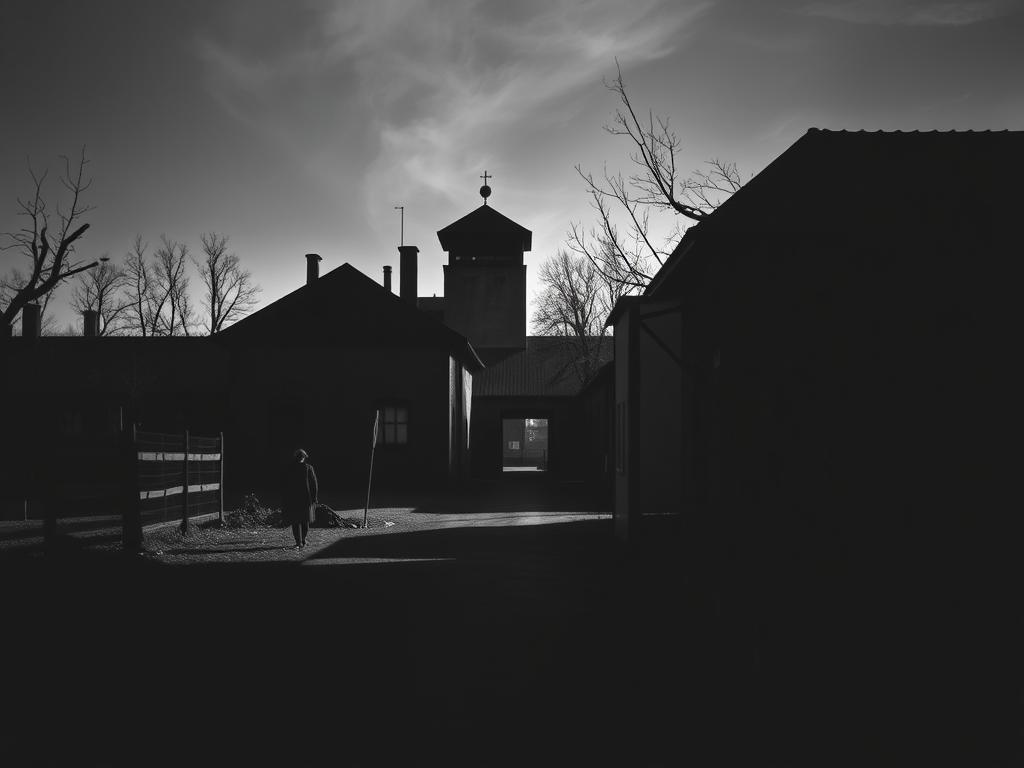













 Papagni Pages