From Spin Class to Suspicion: A Cautionary Tale

Peg sat at her kitchen table pondering how she was going to get to work. Her car died in the driveway the night before and her bank account was pretty much depleted. She’s had a rough time of it lately; she’s had a rough time of it her entire life. Born in Detroit, immigrant parents from Slovenia, nothing had ever come easy. Except that she is smart; she’s smart and she’s resourceful. And despite the dead car and her financial situation, things were looking up.

About a year ago, when Peg was cleaning up after a spin class, she was approached by someone who had been with her in class.

“Hi, I’m Sheila. I think we both take the same spin class on Tuesdays and Thursdays.”

“Hi, I’m Peg.”

“Tough class today, huh?”

“Yeah, I’m pretty beat.”

“Would you be interested in getting coffee after class sometime?”

Peg was tentative; she told Sheila that it would be nice, but she usually had to run to work after class. The two agreed to try to work it out.

Weeks went by, Sheila would wave to Peg in class, but neither woman would ask the other for coffee. On a beautiful spring day in April, Peg decided to go into work a bit later than usual. After spin, she walked over to Sheila to see if a walk over to the coffee shop might be possible. Sheila seemed delighted and ten minutes later they were sitting across from one another at Cuppa Joe’s.

Peg was curious to learn more about her new acquaintance. Sheila seemed so sure of herself and not at all vain. Peg also wondered why Sheila had approached her in the first place. She was suspicious of anyone who seemed to want anything to do with her. But Sheila was different, genuinely sweet and engaging.

Sheila asked Peg where she worked, if she was married and whether or not she had children. There seemed to be no judgment, only a desire to learn more about her new acquaintance. Peg held back. She was afraid to scare Sheila away.

Sheila wouldn’t have been scared away. She looked for people like Peg and preyed on them. It would start with coffee. She played a mean game of finding unsuspecting women at their lowest and bringing them down further still. Each successful takedown, empowered Sheila more. Prior to meeting Peg, she has destroyed the lives of over ten women. Perhaps Peg would be her next victim.

After several weeks of coffee dates and pleasant walks, Sheila asked Peg if she’d like to come over Saturday for dinner and a sleepover. Peg had never been asked to share this sort of intimate evening before. She hesitated accepting Sheila’s invitation, knowing she’d never be able to reciprocate. Before she could even respond, Sheila said:

“Listen Peg, I know you hardly know me, but you don’t have to worry, I’m not expecting that you’ll have me over to your place. I have a guest bedroom with an ensuite and I love having people over. It will give us a chance to really get to know one another and share some silly girl time.”

Peg happily agreed to Sheila’s invite. She said she’d be responsible for the cocktails, having tended bar out of high school. Sheila seemed delighted.

Sheila’s home was absolutely gorgeous. Everything was in its place and the decor was tasteful. Peg was shy at first, hesitant to look around and barely touched the appetizers Sheila put out. She liked her own cocktails and Sheila seemed to enjoy them as well — Sheila sure did knock them back.

As the evening progressed, they ate less and talked more; well it was mostly Peg who talked. Sheila asked a lot of questions, complimented Peg a lot, and listened. Peg had never had a friend care so much about how she felt and what she thought. She believed she had hit the jackpot. They finally went to bed at 3:00 a.m. Sheila got up early, letting Peg sleep until noon. Peg felt terribly guilty and made an excuse about having an appointment.

The two texted one another that night and the following day. Peg didn’t want to be pushy, but she was anxious to make future plans. Sheila sensed Peg’s excitement, making sure to fill Peg’s dance card for the next two weeks. After five or six ladies outings, Peg started to question Sheila’s character. She rarely spoke about herself and after all that time, Peg knew little to nothing about her. Being mysterious is one thing, but Sheila was almost certainly hiding something.

The second sleepover was scheduled for Saturday, three weeks after the first sleepover. Sheila was as excited as the first time and requested Peg’s bartending magic be repeated. The two were about an hour in and Sheila realized she had no coffee beans for the morning. Peg told her not to worry, but she insisted that she could be at the grocer and back in 10 minutes. She asked Peg to watch a bit of television, promising to return quickly.

Peg sat on the sofa for a bit, thinking about the house and how stunningly beautiful it was. She also realized that she had never seen Sheila’s bedroom. She decided it wouldn’t hurt to venture upstairs for a peek. She opened Sheila’s bedroom door and her jaw dropped. She had never seen a more beautiful bedroom, wondering why Sheila had not shown it off. She walked around the room admiring all of Sheila’s beautiful things. Out of the corner of eye she spotted a vanity in an adjacent dressing room. She had always dreamed of having her very own vanity. She walked over to glance at Sheila’s jewelry and cosmetics, noticing many labeled glass vials. She picked one up to examine it. It was a stick on label with a female name. She didn’t recognize it as a perfume; in fact she had no idea what the vial contained — it was clear and odorless. It bottle read, The Essence of Susan. She picked up another, The Essence of Lisa, and there were a dozen others like this. Peg found herself confused and frightened by this discovery. She went back downstairs and waited for Sheila to return.

As she waited, Peg realized that she needed to somehow find out who the names on the vials represented. Were they friends of Sheila? Did Sheila formerly work for a perfume company? Where did these bottles come from? She sensed something was off, but she couldn’t quite shake her worry. She decided to stop drinking that evening without letting on to Sheila. She would discreetly pour out the contents of her glass in the bathroom sink. She needed to be fully alert for the rest of the evening.

Sheila returned with coffee beans and some other things she said she needed. She didn’t waste any time asking Peg to make some cocktails. She even said,

“We are going to get drunk tonight.”

Peg just laughed and started their drinks, making sure to put very little vodka in her own glass. Sheila prepared dinner, providing Peg with an opportunity to ask her some probing questions. Sheila was evasive and guarded. She danced around responses about friends, past boyfriends, and family. Peg acted as though it didn’t matter. She even started slurring a bit to throw Sheila off. Sheila did eventually let down her guard just enough to reveal a bit of her past.

Sheila accidently mentioned two friends that she said she no longer spends time with. Peg had an idea where she might find them. She behaved as if she was about to pass out and told Sheila she was going to bed. Later, she sensed Sheila was in the bedroom, but Sheila stayed far from the bed. She spent about ten minutes in the ensuite. Peg was now certain something was not right and she needed answers.

Peg spent the next few days tracking down Sheila’s friends. She asked around at Cuppa Joe’s and learned that two of Sheila’s friends used to go to the coffee shop after spin class. She spoke to their spin instructor and found out where at least one of the two women lived. She decided she’d pay Leila a visit that week.

Leila answered her door. She was obviously very weak and out of sorts. Peg asked her if she could come inside and speak to her about Sheila. Leila said that she didn’t really see Sheila anymore, but she was happy to speak to Peg. They sat down in Leila’s living room. Peg was struck by how this young woman looked older than her years. It was also clear that Leila was once very beautiful. Leila described how she had become friends with Sheila and how little she knew about her. She said she’d slept over Sheila’s a few times and that they’d had a great time. Leila said that she recently became very ill, unfortunately unable to work or see people. Peg asked her if she knew of any other friends in Sheila’s life. Leila told her she had once met Angela who lived across from Cuppa Joe’s. She gave Peg a description of Angela and the two said their goodbyes.

Peg went to the coffee shop the next day, sitting and watching the building across the street. Finally, after a couple of hours of hoping to spot Angela, she left her building and walked across the street toward the coffee shop. She didn’t seem to be stopping there, so Peg had to leave the shop and chase her down. Angela was not as cooperative as Leila had been. She was in a big hurry and appeared extremely disoriented. The only thing she would say is that she had not seen or heard from Sheila in a long time. Peg asked her if Sheila had ever done anything to hurt her, Angela replied:

“Not to my knowledge, but I haven’t been the same since meeting her.”

Peg was convinced that Sheila had done something terrible to these women. She suspected that Sheila may have copied her keys the night she went out for coffee beans. She decided to have a conversation with Sheila about having to leave town for a few days. Then she sat in her apartment, waiting to see if Sheila might show up.

The next morning, Peg was in her kitchen and she heard someone keying into the apartment. She quickly hid in the pantry and called the police to let them know someone was breaking in. Sheila had only been in the apartment a few minutes when the police arrived. The police arrested, handcuffed, and took Sheila to the police station. Peg provided a statement and assured the police that she would be pressing charges.

The following week, a detective contacted Peg to let her know that they had done a search of Sheila’s apartment and discovered the personal effects of over a dozen women. They found hairbrushes, tooth brushes, underwear and other items. It appeared that Sheila had been collecting the DNA of these women and creating some sort of liquid potion from each woman’s DNA. The police had never seen anything like it. They assured Peg that they would further investigate what Sheila was up to. They found no evidence of a vial made from Peg’s essence.

Sheila was eventually charged with breaking and entering several homes. She was convicted and pleaded guilty to all charges. Sheila refused to explain what she was doing with the DNA. She would serve several years for her crimes.

Peg could only speculate about Sheila’s motives and intentions. She found strength in knowing she had stopped Sheila for at least a few years. She and a few of the other women involved formed a support group. She watched them slowly regain their strength and confidence and eventually their essence.

Sheila posing for Instagram

Storyline Thoughts

I may or may not have been thinking about The Substance and Demi Moore when writing this piece. It is more likely that I ponder and think about society’s obsession with physical beauty — not just women by the way, men as well. This obsession with beauty haunts me. When I lived on the Upper East Side in New York City 25 years ago, I witnessed the wreckage of cosmetic surgery, now I’m afraid it has spread to the rest of the world.

I realize when I write these short stories character development is an issue. I wish I could say I was more committed to going on to write a novella or novel. For now, I’m just having fun indulging my warped imagination. I appreciate those of you who have stayed with me. Who knows what the future brings.

By the way, this time I used the title AI suggested. The photo is not AI.

The horrific airplane/helicopter crash this week and T’s attempt to blame DEI and the previous administration, the bogus cabinet confirmation hearings, the numerous executive orders designed to remove necessary programs, and the execution of Project 2025; I’m truly at a loss. The worst is knowing I have family who fully support the dangerous reality unfolding daily. To call these trying times is an understatement. I can’t help wondering just how bad it will get before Americans wake up. I know that I’m not overreacting.

Pornic, France in a few days. I know a change of scenery will do me some good. Not to mention the French food & wine.

Acres of Dreams and Lies

I never thought much about life after the office . . . after loyalty and denial . . . after years of deception. We didn’t ruin any lives, but we sure did wreak havoc for quite a few. I wasn’t aware of it from the start. It was good money and decent hours. Rena seemed harmless enough when I met her at Fred’s dinner party. An ambitious, educated woman who started a legitimate business. That’s all I thought I needed to know. It doesn’t matter because it’s over now, Rena’s headed for prison and I’m on my way to Costa Rica to start a new life.

I worked for Rena for thirty years. She was a bulldozer with little patience for cowards and naysayers. An icon in the real estate industry and I had an interest in dabbling. I’m not sure why she chose me. I guess she figured I’d stay out of her way and out of the limelight. Who knew one day my photo would be all over social media.

The night of that fateful dinner party was like many others at my friend Christie’s apartment. She was known for bringing like-minded people together. I had mentioned my interest in real estate to her at some point, so seating me next to the famous Rena Borne was not a big surprise. I had heard of Rena, but I was at a low point in my life, therefore, zero interest in talking to anyone about anything. Looking back, I’m pretty sure Rena would have talked the ear off of a carcass.

I remember Rena asking me what I do. I thought about making something up, but I thought I might get found out, so I told her the truth.

“I work in the city morgue.”

“Doing what?”

“I prepare bodies for the refrigerated units, where they stay until they’re either claimed or taken to the city’s cemetery.”

“And I thought real estate was depressing.”

It went on like this for a bit and then she asked me if I liked my job. It’s a question I was quite use to being asked, but for some reason I said the following:

“If I tell you that I hate it will you offer me a job?”

And she did. She said that if I was willing to do grunt work, she’d sponsor me for real estate school. I could work in the office while I pursued my license. For the first time in a long time, I perked up. It would have been stupid to refuse, so I agreed to meet her at her office the following Monday.

Twenty years later, I’m kissing real estate and my old life goodbye. There are a few things I have to admit right up front. Early on I allowed Rena to charm me. She’d take me out to fancy restaurants. She’d massage my ego and make intriguing promises. And she’d write me big bonus checks at times when I didn’t think I’d earned the money. She often treated me better than her own family members. I was young, hungry, and damaged.

So what did I know about her business tactics? In the beginning I was completely in the dark. After a few months I became the office manager. I studied for my license, passed the test, and I listened and learned. Rena was slow to let me in on the workings of the business. I basically set up meetings, kept files in order, and got her coffee. She kept her door closed and her business private. She was married to her work, childless, and she kept long hours. She asked little of her staff and even less from me.

Me being me, I was curious from the start. I paid attention to office chatter and I read the fine print. Rena’s success almost seemed accidental. Yes she was charming and intelligent, but I suspected she was making a whole lot of money on the down low. It wasn’t so much her lifestyle, it was just a gut feeling. I wondered why she wasn’t flaunting her success; why she kept so few brokers, and why she did most of her own administrative work. She’d occasionally say something like,

“No matter how much you make, the government takes most of it,” or “At the end of the day, everything is suspicious.”

It took a few years before I started realizing the secret meetings and business trips were adding up to something illicit. I dared not ask her about it, knowing she’d just let me go like all the rest who ended up packing up their cubicles; expendable casualties all. I liked the money and the flexible hours. She never let me work on deals larger than half a million dollars, but I didn’t mind as long as good money was coming in.

About fifteen years into my tenure, things started changing, big things. First it was a couple of lawsuits from buyers. Rena wrote it off as buyers remorse and par for the business, but it felt different. Over the next couple of years the number of lawsuits increased and our accountant hanged himself. Rena said he was clinically depressed. What did I know, Rena discouraged socializing in and out of the office, my co-workers were strangers.

I left the office a bit earlier than usual one day, stopping at a café for a coffee on my way home. I was approached by two gentlemen while I waited in line. They told me they were FBI, flashed their badges, and asked me if I had time to talk. I didn’t feel like there were options.

Over the next two hours I learned more than I imagined could be true. I knew Rena’s deals were probably not 100% legal, but I didn’t own the business and she kept me out of her affairs. The agents informed me that they knew I wasn’t directly involved, however, because I worked for Rena, I was complicit.

Rena was buying up swamp land, filling it with landfill, and doing it all under the radar. More than likely gifting, dining, and paying off politicians. It took a good ten years for numerous houses to be swallowed up by sinkholes and for sewer systems to implode. That was the tip of the iceberg. The FBI promised to go easy on me if I cooperated. I had mixed feelings, Rena’s bonuses had made me a very comfortable man, but all of those people who’d lost their only asset left me with a sick feeling. I had to cooperate, keeping in mind that Costa Rica is a new start I could live with. We all know how powerful denial can be.

Stories are fictional unless otherwise noted.

Please provide your email in order to subscribe. Thank you.

I was never crazy about August (except for when I lived in Maine): too hot, insanity at the airports, and most of my friends leave me. Alas, autumn is almost here: darkness comes earlier, chilly nights, and cool enough to be in the kitchen cooking.

I’ve had a couple of people tell me that they preferred when my blogs were non-fiction. I’m sorry for that, however, I’m enjoying this type of writing and at this time in my life . . .

“The reason I talk to myself is because I’m the only one whose answers I accept.”
― George Carlin

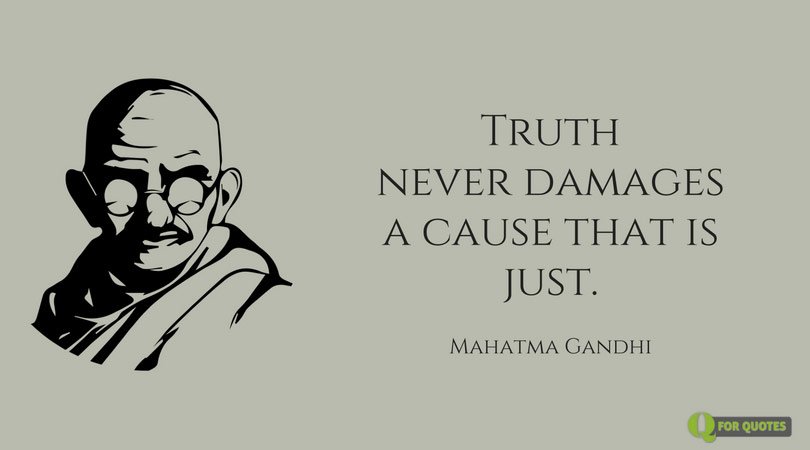
What is the Truth I Seek?

I Need to Figure This One Out

I started this blog a few days before Christmas and decided to hold off on publishing it until after the New Year. Two reasons: first it was too big a question for that time of the year and I was about to rant. As I get older and find myself with time on my hands, more and more, I seek the truth. But what is “the truth?” The meaning of life (for me that would be truth) is so huge that I’m not sure my average brain can even begin to contemplate the answer. I even have “truth” tattooed on my forearm. Well it was either that or a bowl of pasta — I think I chose well.

I want to start with a statement that works for me: your truth is your truth, no one else has to share, accept or believe your truth. This statement or a version of it, is what I often repeat in my head. Those who try to force or impose their truth on others, will find that most individuals will justifiably resist. Right or wrong does not live in this particular space.

In an attempt to make it easier to explore the answer, I’m negating the constructs that do not apply to my truth. For example: religion, nationalism, war, false narratives, monetary wealth (acquiring more than you need), and forced values. The aforementioned do not apply to me because I do not subscribe to them. For example, war — war is not the answer to a dispute between countries. There are certainly other proven ways to resolve issues. It is my belief that leaders use war to further division and keep the focus off of systemic problems closer to home. We are being manipulated on a daily basis; not a conspiracy theory, great minds have shown us how this works. You can be pissed off about it or work around it.

When seeking my truth, I therefore, look beyond the distractions swirling around me. The media has become the worst culprit. When tuning into the news of the day, I maintain a filter which can help me see through sensationalism and bias. A volcano eruption in New Zealand is a fact. The scope of damages is fact. The impact on the area is fact. This particular news bite is safe for consumption. But the discussion of the Royal family and how people are digesting news of Prince William and Harry’s latest riff — that news is conjecture and sensationalism; how it is reported is filled with bias. It is designed to persuade you to feel a certain way and to manipulate your thoughts. I find it offensive and demoralizing and it’s only getting worse. Unfortunately, many take it at face value, failing to hear it through a discerning filter. Critical thinking is lost on the masses these days.

So What’s My Point

For me, getting to the truth is essential. There was a time I cared more about what others thought of the truth; today, not-so-much. The focus is now on me and what I think. I discovered the hard way, that people tend to believe whatever they choose to believe and little can be done to persuade them otherwise. I no longer have the energy to even try.

Quick story: my mother was convinced that Barack Obama was Muslim; she was certain that he hid his true religion from voters. A lot of this had to do with “Hussein,” being his middle name. Where this notion came from I cannot tell you, but she believed it was true. I worked hard to convince her otherwise and failed on several occasions. I was of the belief that if I could present the facts and get her to see she was wrong, she’d vote for Obama for president. After too many conversations to count, I gave up. The truth I did not want to accept was that she was a racist and her (and many others) belief that a black president would ruin the country. Surely, if elected, he’d give billions away to minorities and make life miserable for middle class whites. How did I know she felt this way? “Chris, look what happened when New York City elected a black mayor; the city almost went bankrupt.” The only fact in that statement was that NYC had a black mayor. I wasn’t fighting one lie, I was arguing with the 43 people in my mother’s life who were convinced a black president would send us down a rabbit hole of crime and corruption. I started hating my mother and everyone she associated with. It was unhealthy and unproductive. In the end, she told me that she decided not to vote because her vote didn’t matter. Did I even make a dent in changing her thinking? I doubt it.

The focus on my own truth is far easier to manage. Admittedly, there are times when I have doubts that I can actually get to the truth. The Epstein case for example. Will any of us know whether or not he committed suicide in that jail cell? Clearly, many high profile individuals preferred him silenced for good. This truth may never be revealed. I not only find this troubling, but it also casts doubt on so any other societal institutions we often rely on to help us to find the truth: law enforcement, courts, and politicians we might otherwise trust. Finding the truth is nearly impossible. I suspect it’s the main reason for the public’s suspicion of politicians and political parties. People chose a side based on a gut feeling rather than facts; facts are almost impossible to discern.

Why it Matters

My moral compass was shattered as a child. My mother (and this is fact), was untrustworthy. She did things I’ve stated in previous blogs that I was ashamed of. I’d go to sleep swearing that I would never live that way. I cannot say that I am an angel; however, I do try my very best to stay true to myself and do right by others. For me, it is at the very least a guideline that helps me navigate life and relationships. You can make mistakes, forgive yourself, learn from it, and move on.

Ultimately, laying my head on my pillow at bedtime is a much more pleasant experience when I have sought the truth and accepted my findings. The answer is not always definitive and that has to be okay.

You are welcome to weigh-in.

Please feel free to subscribe. Add your email and my blog will be sent whenever it’s published.

Future Travel

South Africa land & sea in February, Iceland/Norwegian fjords, land & sea in May, Oslo in July. Finally, a visit to the Puglia region of Italy in the spring of 2025. The United States in 2025 is likely: Brooklyn, Florida, Portland, Maine, Maryland, and North Carolina. I booked a Mediterranean cruise for October 2025; more about that some other time — it sails from Tel Aviv.

Current State of Mind

There are times in my life when I feel more like an observer, than a participant — this is one of those times. I’ll try to describe exactly what I’m currently experiencing. Rather than actually standing in the bathroom shaving my face, it feels more like I’m standing outside of the bathroom, watching myself shave my face. It’s a kind of detachment and an absence of focus on details. I have to be careful not to have an accident, because it’s too easy to become distracted while in this frame of mind. It’s usually temporary, lasting days, not weeks. I have no explanation or cause. If I were to speculate, I’d say that it’s a defense mechanism. Perhaps I am deeply disturbed about something and this is a way to avoid feeling the emotions; I honestly don’t know. At this point in my life, I have accepted that some personal truth may never come to light. In the end, I will die and my truth with die with me.

“You discover nothing; you only learn of
what you have been ignorant of so far.”
― Lamine Pearlheart, To Life from the Shadows

Truth, Lies, & Gossip

Trust Issues? Me? Nah. How about you?

I suspect most, if not all, adults have trust issues. Human beings can be deceptive and deceitful; uplifting topic no? Unfortunately, gossip and minding other people’s business are also some of our glorious and not-so-attractive traits.

The “who cares what people say” attitude is admirable; however, not my truth. Therefore, the best I can do is find a way to navigate the current landscape. By the way, I’m as guilty as the next guy when it comes to telling white lies; however, 9 out of 10 times, it’s either to save someone’s feelings or avoid unnecessary conflict.

Short Story

I recently received a text from an individual who said he was coming to the Algarve for a short visit. He was wondering if he could stay with me for a few days. A couple of details factored into my reply: first, this was a friend of a friend I had spent five minutes with in New York, and second, I didn’t like him — you know one of those slick willies who tries to get you to invest in shit you have no business getting involved with. I told him I’d be away for a few weeks during the time of his visit. I gathered that he got the message because I didn’t hear back. This was a lie I didn’t mind telling.

It would be so much better to just outright say what we think, but it’s not the way our culture works; we thrive in a sea of lies.

What We Say to One Another

Have you ever told someone you had to get off the phone because you had an important call you had to take or make? Have you ever told a party host you had to leave because you had an early flight (your flight was at 3:00 p.m. the next day, for some people that’s early)? What about I can’t travel with you to Greece because I spent all of my discretionary income last month? I imagine these are lies we have all told at one point or another in our lives. These lies keep us from hurting feelings. Most of us know when it’s happening and just accept it as common practice. Then there is the knife in the back distortion of the truth or partial truth.

What I am talking about is deception among friends; the telling of untruths specifically meant to damage an individual’s reputation or standing. I’m going to use an example that cannot be traced back to one of my friends:

I’m sitting at lunch with Mary and she tells me that she heard that Mark is having an affair with Lilly; all mutual friends. My first response should be, “I don’t want to hear about it.” But because I’m human, my interest peaked. You know about this kind of gossip, it’s the worst. Is it based on speculation? Is someone jealous? Has someone been scorned and seeks revenge? There are so many different reasons people start these kinds of rumors. In truth, it’s unfair to everyone involved. If it’s a fact and someone is being deceived, that’s different. There are discreet and appropriate ways to handle these indiscretions, gossip or whispering behind one’s back, is not one of them.

For me there are two red flags when someone is about to share something inappropriate with me: 1) I’m telling you this because I care about you, and 2) it’s for your own good. You see a person once a week and she never asks you a single question about how you’re doing or where you’ve been, but then she cares so much about you, really?

This is a big one: We all know people who spend a great deal of time talking about mutual friends and acquaintances who are not present. Did you hear about so and so; I can’t believe he did that to her; she couldn’t possibly have that much money just sitting around; I’m sure they did it to look better than everyone else . . . call it gossip, talking behind someone’s back, spite talk . . . whatever it is, it makes you wonder what that person says about you when you’re not around.

I recently confronted an acquaintance about what she was saying when a friend was not in the room. Her reply was clever, but dubious: “Sally and I had it out on Thursday and told her I’d be asking around to verify her story; there is no other way to find out if what she was telling me was true.” If that isn’t a load of bullshit. At the very least, this person knows that I’m onto her. These days, I don’t spend a whole lot of time worrying about what individuals say when I’m not around; it’s out of my control and I trust people to consider the source. Your time and energy is better spent on positive and productive matters.

When I was married, 24 years old and working at a university on Long Island, there were three different rumors going around about older women I was sleeping with. I thought that was pretty funny considering I was spending so much energy hiding my sexual orientation.

What We Say to Others

What do you say to those you care about? Often, it’s what you don’t say:

  • You look really tired
  • Why isn’t Gary working yet?
  • You’ve been sick for a long time
  • Did Emma invite you to her birthday dinner?
  • Why did you buy that house?

Obviously questions you might ask that would make people defensive, seldom leading to open lines of communication.

Here are some things you might say to gain trust and respect:

  • Yesterday you told me you were feeling a bit down, how are you today? Do you want to talk about it?
  • If you don’t mind I’d rather you didn’t speak about Mark, he’s a good friend and I don’t want to betray our trust or tarnish our friendship.
  • Tell me about that restaurant ordeal; was it difficult to be at the table?
  • I’ve been noticing that you’re quiet lately; I just want to make sure you’re okay.
  • I just want you to know I’m here.

A friend recently said, “There is something I’d like to share with you, but you should know I’m not looking for answers or advice.” I heard her loud and clear and I respected her honesty.

Navigating the Absence of Trust

In my mind there are limited options for interacting with individuals you do not trust. You can work on building trust. This takes time and investment, but it could be worth the payoff. I think it’s important to go with your gut; if after a while you’re not feeling it, you should probably walk away or distance yourself — not so easy if it’s your sister-in-law or boss.

Then there are those who have earned your trust only to have it all collapse after a devastating incident. A good friend who sleeps with your husband, a sister who steals cash from your wallet, a friend who tells everyone something you shared in strictest confidence . . . difficult to regain trust after betrayal.

The last one I’ll mention is the one I struggle with most: You have someone in your life who says and does all the right things, but it’s all surface stuff. You crave substance, but it’s just not there. You constantly wonder if this person is hiding something or questions your discretion. You ask questions; however, the answers just don’t come. It’s a conundrum because you’re fully invested. This may be one of those times where you may need to examine your own life. Are you trustworthy; are you asking the right questions? Objectivity is difficult when self-examination is warranted. In cases like this, I engage with someone I trust; they will usually provide some solid advice or help me with the right questions. But once again, in the end walking away may be your best option.

A thought: I have recently discovered that a great deal of the anxiety I have related to this trust issue, is self-generated. In short, drama that I have either initiated or created. It’s so much healthier to step back and let things be. Stirring the pot or looking for problems that do not exist is unhealthy and unnecessary. Time to trust yourself and let life play out as it inevitably will. Forgive yourself Christopher.

For those of you who may be feeling guilty (ha) because you occasionally partake in small-time gossip: relax, we’re all (okay most of us) a little guilty of it. When people spread lies or damaging, unsubstantiated gossip, now that’s a different story (see aforementioned example).

“Trust takes many years to build, few seconds to break, and forever to repair.” ~ Invajy

Holding Onto Those You Can Trust

You know the expression, “I have your back?” When you discover that you have a family member or friend that always has your back, nurture that relationship; these kinds of friends are hard to come by.

A thought: Today’s political landscape makes candid conversation and trust very difficult. There are times when I can put politics aside; however, if it’s about personal freedom/rights, race, guns, sexuality, etc., all bets are off.

Enter email address for a free subscription — dropped in your inbox whenever a blog is published.

Future Travel

Basel, Switzerland coming up soon, Asia land & sea, end of October/November, Lyon, France for Christmas, South Africa land & sea in February, and Oslo, Norway July 2024. Finally, a visit to the Puglia region of Italy in the spring of 2025; it’s about time I visit the birthplace of my father.

Current State-of Mind

Super excited about Switzerland after two months of staying away from travel. Keeping it special and occasional, is the way to enjoy time away (for me). Other than that, body issues related to aging; sucks to get old, but as they say, “It’s better than the alternative.”

“You may be deceived if you trust too much, but you will live in torment if you don’t trust enough.” ~ Frank Crane

Please forgive any grammatical or typographical errors. No AI software used in the creation of this blog.

Living With Lies

How It Informs Your Life

(repost with revisions)

“There are only two things. Truth and lies. Truth is indivisible, hence it cannot recognize itself; anyone who wants to recognize it has to be a lie.” Franz Kafka

My mother’s lies taught me two things:  First, and most harmful, it was acceptable to lie, and second, secrets are impossible to keep and dangerous.

I had a beautiful half-sister who died a horrible premature death several years ago; she was in her mid-forties. Shortly before she passed, Grace found our brother Anthony, dead, with a needle in his arm; it was her birthday. She was already mentally and physically far gone by then and I’m certain, finding Anthony lifeless in her own home, must have sealed her fate.

My sister Grace or Gasha (the way we spelled it), as she was known to close family, was a troubled child. She wore thick glasses and was labeled “four eyes” by her siblings and peers. We also called her monkey because of her button nose; kids can be mean and we, her brothers and sisters, were the cruelest of all. I am not claiming innocence; in fact, I may have been the worst culprit. Perhaps it was the secret I held onto that drove me to cruelty.

My parents argued a lot; in fact, they argued night and day. My father would come home from work at midnight and my mother would dig in her hateful claws. Having been exposed to this behavior early on, I worked hard to tune them out and fantasize about a quieter world that I knew existed elsewhere. In fact, this is the reason I choose to spend a lot of time alone today. My memory of their relentless rage goes back to pre-school and a time when I was too young to understand the complicated world of adult behavior. One particular memory is vivid because it involved a lie I did not understand at the time; I may have been five or six years old.

Many angry words were exchanged during one very loud shouting match and most of those words were as difficult to comprehend as a foreign language. For some reason I held onto something my father said, “Gasha is not my child.” At the time I thought it was odd for my father to say such a thing and so, I dismissed those words from my thoughts. Every so often I found myself daydreaming and reflecting on what he said. As I grew older and more inquisitive, I continued to wonder why my father said this to my mother. I looked at my sister differently because of what my father said. I naturally wondered who her father might be, if it were not my father. I was not aware of an affair my mother had with her first husband while she was married to my father.

When I turned nine, there was a lot going on around me; my only living grandparent passed, my mother was divorcing my father and marrying my stepfather, and I was repressing my sexuality (I remember having some strong feelings toward one of my mother’s male friends). My mom and I would occasionally spend quality alone time together — rare because she had seven children. On one of these occasions, I decided I would ask her about Gasha. My mother had a way of drawing me in as a close confidant and then shoving me away. I can’t blame alcohol because she wasn’t a drunk, but her father was an alcoholic and physically abusive; perhaps it was his influence. As a child I longed for the kind of closeness where you felt honest love and affection — not likely to get it from my mother, but I never stopped trying. Psychologists would say that I will continue to search for this love until I die; I’m fairly certain that is true.

We were sitting on her bed watching an old black and white film and she was running her fingers through my hair. I may have been as happy with my mom at that moment as I would ever be. I thought it was a good time to address my curiosity.

Ma, who is Gasha’s father?

My mother pushed me to the edge of the bed and said, “Where do you get these ideas?”

I told her that I had overheard an argument she had with my father a few years earlier; she told me that I was imagining things.

“Who would Gasha’s father be if it wasn’t your father? Honestly Chris, I worry about you.”

I wanted to believe my mother, so I let it go . . . until a few years later when this happened:

I was having dinner with my father at the restaurant where he worked; a once a week ritual. Our meals were very special to me. We spoke openly and earnestly. I’m pretty sure I was in my teens at this point. I had accidentally seen my parents marriage license and came to learn that my mother and father didn’t marry until I was three years old. I’m not sure why, but it didn’t bother me. My dad told me that they couldn’t marry because my mother’s first husband was in prison and there was a law about divorce and incarceration back then. He said that they married as soon as they legally could. I shrugged and decided this would be a good time to ask about Gasha. I sort of tricked my dad and acted like I knew for certain that Gasha was not his biological daughter.

When I asked him who Gasha’s father was he said, “Joe is her father, but I adopted her and so she’s legally my daughter. How did you know about this? Did your mother tell you?”

I shared that I had overheard an argument between the two of them when I was a kid and he grabbed my face and squeezed my cheeks; something he did to show affection. He hardly ever said anything negative about my mother; I wish I could say the reverse were true.

When I asked him how she ended up with Joe while married to him, he said, “Your mother has always been a bit wild.”

Truer words had never been spoken. Now that I knew my suspicions about Gasha were true, I had to consider what this meant for my relationship with her, how I felt about my mother lying to me, and whether or not I should share the truth with Gasha and our siblings. I knew early on that it would not be fair to share the truth with her. It was my mother’s place to tell her. I was tormented by the lie. I did not approve of my mother’s infidelity and I could not understand why she denied the truth all those years ago. In my mind, I could never truly trust my mother again — in truth, I doubted her always. I’m also certain that I felt betrayed by my mother and it has had an affect on every loving relationship in my life.

My mother did eventually tell Gasha who her biological father was. I’m not sure when or where it happened. My brothers and sisters found out at some point as well. It seemed to me at the time that no one cared about the indiscretion or the lie. I questioned my own reaction to it:  had I made too much of it? Did it really matter? As an older adult, I am still questioning the lies I faced as a child and young adult — there were many others.

I recall often looking at Gasha and wondering who she resembled. When she would behave a certain way that was odd to me, I would explain it by considering who her father was or was not. Gasha had a severe eating disorder and made several bad choices in her life. She was angry, she isolated herself from those who cared about her, she refused to acknowledge her disorder, and she trusted no one. I cannot help but wonder if the knowledge that she was conceived during a torrid affair, had had a huge impact on her life and her ability to cope. Knowing her biological father was willing to allow my father to adopt her, must have tormented Gasha throughout her life; her self-worth was shattered.

My mother had a very complicated relationship with her and Gasha was resentful of the way she saw my mother treating the rest of us; she seemed to always feel slighted. I was aware of both the way she was treated and the way Gasha perceived it. I had conflicting feelings about my sister. There was a part of me that believed she didn’t belong and I’m not proud of those feelings. At the same time, I felt sorry for her.

Gasha’s downward spiral was difficult for me to watch. She married trailer park trash and she had a child with him. Her husband shot himself in the head early on in their marriage. I remember visiting her in Knoxville, Tennessee and thinking that there was hope that she’d come out on top of all the drama in her life. Unfortunately, I was wrong. Bulimia took hold of my sister in her early 20s and never let go. All four of my mother’s daughters suffered from some sort of eating disorder as a result of my mother’s obsession with weight. Gasha lived in complete denial — the disease and the consequences of starving one’s body of nutrients eventually ended her life. Her two children suffered the most; watching her abuse herself on a daily basis, had to be impossible to observe. Out of respect for my niece and nephew, I will refrain from commenting on their current lives.

The question is, was it the lie that destroyed Gasha’s life or was it her personality and the circumstances of her illness? I guess we’ll never know for sure. What we do know is that shielding her from the truth all of those years was not productive or right. If her biological father had stepped up and assumed his role as her father, might she have been stronger and felt more loved? I have to believe she would have embraced her father and adjusted to her circumstances. After all her two oldest sisters had the same biological father. But after being adopted by my father, Gasha, was instead forced into a situation she did not ask to be in and was prevented from being with a father she might have grown close with. I’m not a psychologist, however, I am fairly certain that Gasha was thrust into a situation that would have caused anyone pain and anxiety. It was a lot for a young person to take on, and in truth, she had to endure the ramifications of this terrible lie, on her own. It’s a small miracle she was even with us into her forties.

When faced with the reality of a difficult truth or keeping a secret, always go with the truth. As hard as it is to share that secret and cope with its consequences, that reality is far better than living a lie — that’s my truth.

“When you check your own mind properly, you stop blaming others for your problems.”

Thubten Yeshe

I have grown to love Alvor, Portugal and have returned to the same hotel room several times. Peaceful sounds of nature never disappoint.

Travel

So far Cuba next month is a go. There will be testing on both ends. I know there will be additional hassles, but this is something I have wanted to do for a long time. I couldn’t travel to Cuba when I lived in the States, so now is a good time to make the trip. I promise a blog or two when I return.

There are scheduled trips to France, Italy, the UK, Northern Ireland, Germany, the U.S., Singapore, Thailand, Vietnam, and Hong Kong, in 2022 and early 2023. COVID-19 has put the kibosh on many planned trips over the last two years; I can only hope I’ll get to go.

I Thought it Was the Scotch She Wanted

17 years old, naive and eager to please. Pimping myself out on the streets of Brooklyn for tips and a piece of pie.

Before you judge me, read my story. I claimed to be 18 years old, but I’m pretty certain Mr. Park knew I was lying. Back in the 70s you could sell and drink liquor at age 18. Back in the 70s there were a lot of things I could do that I cannot do now. I wasn’t quite 18, but I would be soon enough and I wanted the job badly. I altered my baptismal certificate by changing 1959 to 1958. Desperate measures . . . I was moving out of the house and I would have rent and college tuition to pay. Mr. Park said he’d give me a chance to prove myself; however, he’d made it clear that one slip-up and it was over. I’m certain he was fully aware of my actual age.

One would think that my mother’s all night poker games in the basement and the endless parade of drag queens and alcoholics, would have made me a jaded teenager, but in fact, I was quite naive; dense even. Bensonhurst was far enough away from Manhattan, that what went on globally was clearly not happening in Brooklyn. The only thing driving me at the time, was the desire to get out of Brooklyn.

The neighborhood liquor store was across the street from the subway station and although not hidden, it was somehow safe territory for the local alcoholics. The Park’s were Korean, very friendly, and way smarter than the rest of us. I recall Mrs. Park schooling her husband on how to talk to customers. I pretended not to understand, but I was intrigued by their culture and language and at times, I felt more a part of their family than my own. And to be truly honest, the meals they brought me were delicious.

My job was to stock the shelves and make deliveries. Having delivered groceries in the neighborhood for two years, I knew the streets and the people fairly well. I was the kid from that huge family on Marlborough Road. I was polite, shy, and fortunate to have inherited my father’s charm. In early days, I kept my head down and my mouth shut. I was surprised to learn how many customers wanted booze delivered to their door. I imagine some people didn’t want to be seen going in and out of the liquor store on a regular basis and others just didn’t want to carry the bottles home. Still others I came to learn, were clearly shit-faced when I arrived with their refill. I would imagine some started the evening thinking they’d just have a shot and ended up clearing out their liquor cabinet. I encountered a good deal of binge drinking and abuse, not me, the alcohol.

There were a few characters I delivered to several times a week and others, nightly. The only day we were closed, was Sunday. Trust me, if it wasn’t against the law in New York State to sell from a liquor store on Sunday, we would have been open. Thinking back, it didn’t make sense that you could open a bar and not a liquor store. There was this one customer, I’ll call him Mr. Taylor, Mr. Taylor ordered a bottle of Smirnoff vodka every night of the week. He was very quiet and always tipped me 50 cents (often a 50 cent piece). I suspect he was a raging alcoholic and afraid that if he ordered more than one bottle, he’d drink it all. I’m not judging, but that’s a lot of vodka. I worked at the liquor store for several years and Mr. Taylor seldom if ever, missed a delivery. Then there was Miss Greene. Miss Greene opened the door wide enough to stick her hand out, grab the vodka, pass me two dimes and then close the door. The stench from her apartment always made me a bit dizzy. After a year of delivering to Miss Greene on a regular basis, she offered me money to do her a monumental favor. More about that later.

There were these two very friendly men who lived in the same apartment, but they were never there at the same time. One of the two flirted with me quite a bit and once even answered the door wrapped in a bath towel. I looked up, but avoided direct eye contact. He was a big tipper, his partner was not. I always hoped the flirty one would be there to accept delivery, unfortunately it was mostly the bad tipper who usually showed up at the door. There was clearly either trouble in paradise or they had an open relationship, I’ll never know the truth.

I had dozens of regulars, but I think it was the Flannagan’s I most enjoyed. Very few customers invited me in. With most, niceties and a quick handoff was the norm. The Flanagan’s were different. This Irish couple considered me part of the family. There was usually a snack offered up and always a sweet kiss from Mrs. Flanagan. They were in their sixties, always laughing and carrying on and genuinely interested in my day. I knew they drank a lot because I kept inventory. They loved scotch, but oddly only Mr. Flanagan smelled of alcohol; Mrs. Flanagan smelled sweet (over 40 years ago and I can almost recall her scent). Mrs. Flanagan always answered the door. Mr. Flanagan was usually in his Easyboy. I remember seeing him fairly bruised-up a few times; he’d clearly fallen, inebriated and broken most of the time. Sometimes there was a third person, usually a man, usually drunk. I would be introduced as “the son.” Keep in mind this all took place in the matter of minutes, I had always other deliveries to make. I knew when they’d cashed their social security check because my tip was always doubled.

As months went by it became clear to me that Mrs. Flanagan was developing quite a crush; her lips often lingered on my cheek and her hands sometimes wandered to my chest. I would squirm away from her clutches thinking it was all very innocent; however, there was one time when she went too far. On this particular delivery, Mrs. Flanagan was more pissed than usual. It might have been during the Christmas holidays, as if she needed an excuse to imbibe. She came around her kitchen table and moved toward me. I backed myself up against the wall and put my hands up in front of me. She pushed herself on me quickly and before I could stop her, her tongue worked its way into my mouth. Mr. Flanagan warned her to back off, but she persisted. I did not say a word, pushed her off of me and ran out, this time without a tip.

I waited days for the Flanagan’s to place an order. I didn’t feel threatened by Mrs. Flanagan because I was clearly stronger and I knew I could resist her advances. I did feel guilty. I thought that perhaps I had led her to believe that I wanted her affection. When the door opened, it was Mr. Flanagan standing there with cash in hand. He said hello and quickly passed it to me. I started to reach into my pocket to give him change and he replied, “Keep it,” he then closed the door in my face. I didn’t see or hear Mrs. Flanagan that day. The tip was five and change; way larger than usual. Future deliveries to the Flanagan’s were mostly transactional. Mrs. Flanagan usually came to the door; kisses and invitations to enter were a thing of the past. I was both relieved and saddened by the state of affairs. I guess that $5 tip was guilt money.

I would often return from a delivery later than usual and the Parks would want to know why it took so long. Mrs. Park especially loved gossip and she’d try to squeeze information about our customers out of me. I made it a game. I’d be cagey at first, tease her a bit, let some time go by, perhaps a couple of deliveries, and then when I’d see she was about to explode from anticipation, I’d share a bit; perhaps what a customers apartment was like or who answered the door, Mrs. Park was jealous that I got to see a small part of their lives. I never did tell the Parks about Mrs. Flanagan, that was my secret, never to be told — until now that is.

I never did learn the first names of most of my customers. I guess an invisible wall existed between them and me. I supplied them their poison and they were grateful, but protective; grateful for my service, but protective of their privacy. So I rode my delivery bicycle through pounding rain, freezing wind, and heavy snow and they rewarded me handsomely. I made enough money part-time to pay rent and utilities, buy groceries, and save for tuition. Of all the events that shaped my experience for those couple of years, the time I spent with Miss Greene outside of her apartment was the most memorable.

Miss Greene suffered from severe agoraphobia. The idea of leaving her apartment terrified her and made her a prisoner in her own home. When she asked me to take her to the bank I had no idea that she was struggling with this affliction; nor did I know what I was in for. She offered me $20 which was surprising because she was a terrible tipper. I picked her up after school, eager to get the deed done.

I must admit I was pretty cavalier about the whole thing. I honestly thought it would all be over in 30 minutes and I’d be picking out a new sweatshirt at Korvettes. When I got to her door it was slightly ajar, which was never the case. She had on make-up which I found shocking, and a long heavy overcoat; it was early June and fairly warm. She asked for my arm and told me that she had called car service. When she grabbed my arm, I noticed her nails were long and dirty. I had to remind myself that I had a good tip coming. Miss Greene was shaking from head to toe, her lips quivered, and her nails were tearing at my skin. The walk down the two flights of stairs took over 20 minutes and at times, I was fairly certain she was going to collapse. I was strong, but I feared she’d fall and I wouldn’t be able to pick her up. When we got to the front door of the building she began to gently weep. I offered words of encouragement. I honestly wasn’t sure we could pull this off, in fact, I was certain we’d fail.

The car service driver noticed our struggle and came toward us to offer a hand. Miss Greene clutched onto me even harder and wouldn’t look at the driver. I winked at him and he seemed to understand. He asked me if Miss Greene was my grandmother and I told him that she was — I believe at that moment, she could have been my grandmother. We made it into the car. Miss Greene remained quiet and stared down at her feet. I cannot describe my feelings as all this was going down. I was filled with dread, fear, and pride. I worried for her; her fear was visceral and she seemed so tiny. The pride I was feeling had to do with the trust she had in me. I was only 18 years old, but on that day I was a man.

From start to finish, it took two hours to get the task done. The bank manager agreed to allow us to remain in the bank after closing. Everyone around us seemed to understand her pain. Up until that point in my life, I’m not sure I had witnessed that kind of empathy. The day did not get easier for Miss Greene. When we got to her door she was drenched in sweat and clearly spent. I lowered her onto her sofa, repulsed by the horrible smell in her apartment. Her sister peeked out of the bedroom door and retreated when I saw her. Miss Greene thanked me and gave me $40. It was the largest tip I ever received from one of my customers. I tried to refuse it, but it was important to her that I take it. I knew that I would never be the same. My arm remained black and blue for a week, but my pity for Miss Greene stayed with me a good deal longer. I kept my deed secret for a long time, never sharing what I had done with the Parks. When I arrived late for work that afternoon, I lied and said that I was held up at school. I felt no guilt, only sadness. Miss Greene continued to order vodka and increased her tip from 20 cents to a quarter. Her demeanor never changed and she never mentioned our afternoon at the bank. I have thought of her often since that day. I imagine her liver must have failed her at some point. I wondered which one of them went first, her or her sister, perhaps mercifully they died at the same time. I also wonder how many Miss Greenes wake up a prisoner in their own homes each day. My problems seem so small in comparison.

When I see a young person working, I imagine they might be learning the kind of life lessons I learned working for the Parks. I think, good for them, and I’m grateful for having had the experience. Life lessons are plentiful when we’re young and naive.

The truth is, Mrs. Flanagan wanted the scotch and I just happened to be there that day.

Infidelity Is Not For A Child’s Eyes

Adults can be terribly stupid, reckless, and naive; that’s fine as long as they’re not hurting anyone but themselves. Unfortunately, supposed grown ups sneak around deceiving one another without giving much thought to what children see and hear. The damage that is done, cannot be undone.

My Story

Our bedrooms were across the hall from one another, with a shared bath a few feet between us. I liked being near my parents room when they were laughing and loving, but I didn’t get to hear that very often. Instead, I fell asleep to biting words and hostile resentment. I wondered then as I wonder now, if they truly believed their closed door kept the bitterness inside.

I must admit, as a child, I mostly placed blame on my mother. She was always in control, she set the tone and made it clear that it was her house. Considering seven children slept not far from one another, her house was always fairly quiet from 8:00 to 11:00 p.m.(the young ones were put to bed at 7:00 p.m.). That was until my father came home from work. As a restaurant worker, he kept late hours. I was never up to see him come in; I wasn’t asleep mind you. I would hear my mother verbally attack him as soon as he walked through the door. I’ve blocked out most of the vile things I recall hearing her say — it was mainly about leaving her alone to deal with us. He was a man of few words, English was his second language and he couldn’t always find words to express himself.

Physical and verbal abuse took place in my parent’s bedroom for the first eight years of my life (I’ve blogged about this in the past), but it was the final months that caused the most damage. I woke up one night to the sound of a man’s voice that was not my father’s. I laid awake quietly listening. It was masculine, but inaudible; from my mother I heard whispers and quiet laughter. I shivered in my bed and waited. My mother finally left her bedroom with a towel wrapped around her body. For some time, I heard only the sound of water running in the bathroom. The water stopped and a man I didn’t know, also wrapped in a towel, left the bedroom to join her. I was confused. I was fully aware that something bad was happening, however, I was powerless to act on it.

The same deception was repeated several nights a week. I told no one for fear of revealing a secret I wasn’t meant to know. I tried to push my mother’s cheating out of my mind, but it haunted me day and night. My mind wandered in the classroom and I became distant from my brothers and sisters. At night I went to bed, made myself as small as I could and mostly wept. My mother didn’t notice the change in my disposition; she was far too busy having an affair. An affair I wish I hadn’t witnessed first hand.

Over 50 years later I am still not sure how my father found out about my mother and Frank. It was messy for all of us for a time, but my mother and father eventually divorced and she married Frank. I never revealed to my mother what I saw during those painful months. However, I did confront my mother and Frank before they were married; I told them that I’d seen them kissing where the both worked. After all, I never did actually see them being intimate, it was circumstantial evidence that proved their guilt. They denied any intimacy, claiming they were only friends; more lies. I hated this man for exposing me to their disgusting deceitful behavior and I hated my mother for being a part of it.

When you’re eight years old and your innocence has been peeled away, you feel emotions you are unable to identify. I no longer trusted the people I loved the most. My father was abusive and neglectful, but I felt sorry for him. In my eyes he was a victim. Did my father’s physical abuse lead to my mother’s deception? Did he push my mother to the point of lying to herself and her children. It always seemed to be my mother who created the chaos and deceit. As far as I knew at the time, no one else in my immediate family knew of the affair. My oldest sister later told me that she had an idea that it was happening. She and my mother had a strained relationship; she hated her for valid reasons I won’t go into here.

Years of therapy revealed hidden anger and pain that stemmed from what I had seen and heard. I know now that extramarital affairs are common and that children often know that something deceitful is taking place, even if they were not exposed to the actual act. I wonder if mothers and fathers consider what a child might be going through when they engage in such deception? I don’t believe they do. They delude themselves with lies and pat themselves on the back for being discreet.

I won’t go into all the ways that my mother’s affair has impacted my life. I have made apologies to those whose lives I have hurt as a result of my own dysfunction and mistrust. The good news is that I am learning to trust again. I am learning how to forgive. I am learning about the power of a nurturing love. I am learning how a parent is obligated to protect a child’s innocence, not take it away. I am still learning why I have pushed away anyone who has tried to love me deeply and unconditionally. I also know that I can be quite righteous and annoyingly vocal. The work is difficult, but it must be done.

I have chosen to live alone as I work through these deeply rooted issues. The absence of drama at this point in my life is an absolute necessity. Keeping the noise volume low, allows for a more rapid repair.

It should be noted, I do not write to elicit pity, I write to enlighten those who may not know the pain they are causing or the hurt they are inflicting on their children.

Resources:

https://www.psychologytoday.com/us/blog/surviving-infidelity/201305/should-the-children-know-youve-had-affair

Children of Infidelity . . .

https://www.gosmartlife.com/surviving-infidelity/talking-to-your-children-when-youre-on-the-rebound-from-infidelity

I’m happy to see researchers and specialists are writing about this topic. I’m still not certain most parents recognize the damage infidelity causes.

Location this week:

I was away from home for few days in the Eastern Algarve this week. Not very concerned about COVID-19 because there are no tourists in the Algarve right now. I like to think I’m doing my part by supporting the Portuguese hospitality industry. If you’re looking for a beautiful, reasonable, quiet sanctuary, I recommend this place:

Espargosa Monte de Baixo & Art https://www.espargosamontedebaixo.com/en-us in Castro Marim, Algarve, Portugal

Friendship

VACATION REBLOG (worth revisiting)

Who are your true friends and why are these friendships so important?

Friendships come in all shapes and sizes and it would be difficult to share my thoughts on all of them; therefore I will focus on just a few for this blog. I will cover these five:

  • Friendship with a life partner
  • A close friend
  • A sibling who is also a friend
  • Your parent as friend (I do not feel equipped to write about this matter from the parent’s point of view)
  • A co-worker who is a friend

My friends are extremely important to me. I hold my true friends near and dear and would do just about anything for them. The friendships I cherish the most were established many years ago, but having said that, I do have several friends that I only met recently. Six months ago I left a city I resided in for less than five years; yet several of my close friends live in Maine. You can gauge some friendships by communication (although some friends are better than others at this). When I moved overseas, there were individuals I expected to never hear from again and some that I thought would communicate regularly. As with many things in life, what I expected, has not panned out. Several people I thought would reach out, never have and others I that I thought were acquaintances have been great about staying in touch. Some people work hard at developing friendships and their persistence can pay off. These days you have to factor in social media, because it doesn’t take much effort to drop a line or two. I truly miss the days of letter writing; writing a letter took time and thought.

To be clear I am not writing about acquaintances (see 2.2 below): acquaintance əˈkweɪnt(ə)ns/ noun

  1. 1. knowledge or experience of something. “the pupils had little acquaintance with the language” synonyms: familiarity, conversance, conversancy, contact, acquaintanceship; More            
  2. 2. a person one knows slightly, but who is not a close friend. “a wide circle of friends and acquaintances” synonyms: contact, associate, connection, ally, colleague;   confrère “Mr Barnet was no more than a business acquaintance”

I am certain you all have many acquaintances; if you had an expectation that they would all be friends, you’d be in big trouble and extremely disappointed.

Friends With a Life Partner

This type of friend is quite unique due to the intimacy factor. Once you have been intimate with someone (and I don’t mean sex), it’s a game changer. I’m talking about a deeper emotional commitment where there is love and affection. Hopefully, because it matters if it’s true or not, you and your partner have shared moments, where at the time, you cannot imagine a deeper connection. Whether it’s a secret or a thought or a revelation, this kind of sharing creates a bond that can and often does, last a lifetime.

Even when there is a breakup, this close bond will ensure a lasting friendship — if you allow it to happen. Unfortunately, new partners are often intimidated by this kind of friendship and will not allow it. If you’re able to see past the jealousy, permitting your partner to be friends with ex-partners can enhance a current relationship. Your partner will see you as open and caring and trusting — all wonderful beliefs about your partner.

Keep in mind that none of us can be all things to all people. Your partner has limitations and expecting this individual to meet all of your needs is unfair and impossible. This is why it is dangerous not to have close friends outside of your relationship. Lean on others occasionally, it will make your relationship lighter, freer, and healthier.

Keep in mind that if you are outside of a relationship looking in, what you see from the outside is not always a complete picture. Couples have their own way of loving one another. Aside from physical and emotional abuse, which is never good, disagreeing and gentle prodding can be the sign of a healthy partnership.

A Close Friend

Your best friends (yes I believe you can have more than one) deserve a category all their own. Because we all know that if you have a life partner, that individual cannot and should not be able to fulfill all of your needs, emotional or otherwise. A close friend can provide an outlet for sharing and a different kind of important intimacy. It can be someone to talk to about your life partner or boyfriend/girlfriend (finding the right pronouns isn’t easy). With a close friend, no topic is out-of-bounds.

We all go through difficult periods in our lives (having just lost a dear pet, I’m feeling deep loss right now). A close friend will sometimes know you are in distress even before you know it. This person will be there to help you get through whatever difficulty you are experiencing. Refusing the help of a friend or pushing a friend away is never a good thing. A true friend is a beautiful gift and you can be sure that this person sincerely wants to help. Let this individual know that you appreciate that they are there for you and that you need them and want their love.

I like my privacy and I tend to grieve when I am by myself. A good friend will always allow you “alone” time. If you gently let your friend know that you just need a little time, they will give you what you need.

Caution:  Be careful to make sure that  sharing is reciprocated. There is nothing more annoying than a friend who only wants to discuss his or her own woes. Ask questions; show genuine interest and it will elevate the friendship.

Also, do not abuse the generosity of a close friend. Leaning on someone in a time of need is fine, but pick and choose when to lean. Being a constant burden will make a friend second guess the sincerity and value of the relationship. We are only human and all of us has a threshold. Keep your relationships strong by being considerate, nurturing and compassionate. Communicate your needs; assuming your friend knows, is an unfair assumption.

A Sibling

Who knows and understands you better than a brother or sister? Unless you were raised in a different household or there are many years between you and your sibling, this person can be a very close friend. I should not rule out a half-brother or sister who is a great deal older or younger. I had a half-brother who was 20 years older and before he passed away, we became very close. He was actually as much a mentor as a friend. I could share anything with him and he “got” me. The relationship was different from that of a parent because he didn’t feel the need to discipline or direct my behavior; it was all about the freedom to be who we were.

A sibling who doesn’t judge you, who accepts you for who you are and who provides a level of trust that is achieved in no other relationship, is a treasure to hold dear. I’m a lucky guy because I have a number of siblings I consider close friends. Unfortunately, I have also lost several siblings; these individuals have provided strength and love well beyond their passing.

Your Parent as Friend

It’s not easy being friends with a parent. Very few people I know are friends with their mother or father. When you are young, your parents are disciplinarians and when you get older they want what’s best for you and that often causes conflict. Being friends with your parents can be fulfilling. Practicing patience and forgiveness is key. If you keep in mind that your parents want what is best for you because their love for you is strong, you can be very close friends. You can confide in your parents, you can lean on your parents and you can usually trust your parents. Having a sit down after a disagreement can help both parties achieve a higher level of trust and understanding.

Of course there are always exceptions. My mother always told me that everything was her fault. She’d say this with a half-smile,

“Chris, save yourself money on therapy. I am to blame for all of your issues. Yell at me, lash out, be mad; then think about how much I love you and move on.”

She was a smart lady, my mom.

Friendship with a parent can go through stages of strength and at times this strength may waiver and that’s okay. Keep in mind that your parents won’t always be around. Bringing you into this world and keeping you safe are not easy tasks to manage. They want your friendship and they deserve it.

“My childhood was very colorful, and I am close friends with both my parents. We have no secrets.”

Rebecca Hall

A Co-Worker Who is Also a Friend

This can be an incredibly satisfying relationship because you often share so much in common with a co-worker. When you’re together socially it can be fun to gripe about your hours or your boss or your salary or your work environment or your benefits or your co-workers or all of the above.

Careful what you say and to whom at work; a true friend will be discreet and he or she will keep what you tell them to themselves. Such a friend is not easy to find; when you do, try your best to hold on to them.

There are those who believe you should not become friendly or be friends with someone who is higher up or subordinate. I have never felt that way. I think as with most things in life, it depends on the person. If your friend is mature and trustworthy, you’ll have nothing to worry about. If others at work have an issue with who your friends are, let them know (in a kind way of course), that it is not really their business. Still, perception and appearance are both important considerations. Managing all of this at work can be challenging. I believe it all boils down to personal integrity. You know who you are. If you are honest, thoughtful and appropriate, you should have nothing to worry about. Always remember that at the end of the day, the only person you truly have to answer to is yourself.

Separation from a Friend

As it goes with relationships, sometimes they go south. Of course it’s always better if you can repair the damage; however, that is not always possible. Some friendships grow toxic and if that becomes the case, I think it’s better to walk away. If you make that decision for yourself, it’s best to come clean with the individual. This business of just disappearing isn’t very fair to the other person and often, closure is necessary. Otherwise, you have this unpleasant, unfinished business hanging over you.

Call me a coward, but I often put my thoughts into writing and send an email or letter. This way I can be clear and provide the other person an opportunity to think about what I shared and respond. You can tell a great deal about a person by the way they reply. If they become very defensive, angry, and lash out at you, it validates your decision. If the person sincerely apologizes or asks to see you, it shows that they value your relationship and that they would like to patch things up. I find that the other person often feels the way you do and the friendship will come to an end. If you can work through it as mature adults, you’ll be happy you did the work.

For some, my desire to shed toxic individuals will come across as cold and dismissive. I have decided that I only have time for friends who are loving, forgiving, true, and real. I value my time on our planet and I’d prefer that my relationships be authentic and fulfilling. Divorce, partner or friend, is never easy, but sometimes it’s the only healthy solution. Don’t judge others or yourself, judging makes life burdensome.

Reconnecting

Sometimes years go by and you do not hear anything at all from an old friend and then suddenly, there they are sending you an email or calling you on the phone (a call is less likely these days; texting is safer). You wonder of course:  1) why you are hearing from them now? 2) should you respond? and 3) if you don’t respond will you wonder what it was he or she wanted?

People lose touch with one another for all sorts of reasons. Often, time goes by and one feels reaching out would be awkward and often it is. Be open-minded; reconnecting may be the best thing that ever happened to you. I have had former friends I was upset with contact me and frankly, I couldn’t recall why I was angry with them in the first place. That tells me something: it might have been something very small and petty and perhaps it’s time to get past it. Forgiveness has enhanced my life in so many ways.

I am not claiming to be a “friendship expert.” What I do know is that I have had a lifetime of meaningful friendships and without my friends, I would be a lesser person.

“No better relation than a prudent and faithful friend.”      

Ben Franklin 

“The best mirror is an old friend.”     

George Herbert 

“There is nothing on this earth more to be prized than true friendship.”     

Thomas Aquinas

Next week: Medeira, Portugal. I am excited to share this travel experience.

Do you have a story to tell or would you like to share some advice? Please add your thoughts in the comments section. Thank you.

What I’m Really Thinking

You Don’t Want to Know

Photo by Startup Stock Photos on Pexels.com

I vaguely recall a Jim Carey film where he actually says what he is thinking everytime he opens his mouth. I can’t tell you the title of the film or the outcome, however, what I do know is that it was a disaster. We live in a society where many people choose to stay in the dark because the truth is just too painful and that’s fair.

This isn’t the first time I am writing about truth and it won’t be the last. It’s front and center in my life and I grapple with it on a daily basis. I feel terribly self-righteous and I don’t like it. I’m finding middle ground through discussion and writing. The political untruths hurled at us on a daily basis are disgusting and getting worse. As an individual I feel powerless to change the direction humanity seems to be going in. The best I can do and will do, is allow truth to lead the way in my own life and to be truthful with others.

When People Say, “Tell Me The Truth,” Beware

I’m often asked what I think about this or that. Having had all kinds of different reactions to my candor, I find myself choosing my words very carefully. I’ve noticed that people say they want to hear the truth, what they really mean is: “Tell me the truth-light, water it down a bit, sugar coat it, couch it in praise, make it so it doesn’t hurt, tell me a white lie, don’t damage my ego, and what I don’t know won’t hurt me.” That’s a lot to sift through.

For example, I recently had a friend speak to me about a girl he’s seeing from overseas. He wanted my approval. Sometimes I want to crawl into a hole and put up a sign that says, “Leave me the fuck alone. What I think doesn’t matter and even if it did, you don’t really want to know.” The truth is, in this case I don’t think it’s a good idea to keep seeing this girl. I see a my friend as a ticket out of her country, a golden ticket. Trust me, he doesn’t want to hear what I think and I don’t want to lose a friend.

Here’s what I said, “How do you feel about the relationship? If you’re enjoying seeing this woman and she makes you happy, how can anyone tell you to stop seeing her.”

Fortunately, that satisfied him and I came away unharmed; eardrums and peaceful day still intact.

I once introduced a friend to a boyfriend of mine who was 20 years my junior. I asked her what she thought of him. She politely suggested that he might be a little young for me. This happened over 20 years ago and I’m still angry with her. The truth is, that is what she believed and she thought it might cause a problem in my relationship with him. She was right, it did cause a problem. At the time I knew she was right, but I never expected her to share her truth. I wanted her to tell me he was handsome and exotic and smart and that we were perfect for one another and that she was happy for me. In reality, she might have believed some of those things to be true, but she cared about me and thought that somebody had to tell me the obvious truth. The problem is that the truth seldom initiates a change. Instead, it causes resentment and sometimes pain. So why do we keep asking for it? Are human beings truth seekers?

I love the Housewives of (fill in the blank) franchise for so many reasons. I believe the producers tell the reality stars to share their truth as much as possible. That’s all we need for good, honest entertainment. Watch people get hurt and angry because they are being told things they don’t want to hear. And it’s their supposed friends telling them these things.

“I can’t believe you shared that with Betthany.”

“Who are you to go around telling people things I’ve shared with you in confidence.”

“What makes you think you know what really happened?”

“You’re doing this to destroy me because your jealous of my life.”

The beauty of it is that it’s all real. They are shedding real tears. These women are truly angry, feeling betrayed, and honestly scorned. I’m always surprised when any of them kiss and make up. How do you ever forgive some of what’s been put out there for all the world to hear?

Image may contain: text that says 'YOU KNOW THAT THING INSIDE YOUR HEAD THAT KEEPS YOU FROM SAYING STUFF YOU PROBABLY SHOULDN'T? YEAH, MINE'S BROKEN. fb/ Gotta Love It'

Ask Yourself Whether or Not You Want the Truth

Just because I believe it to be true, does not actually make it true. That is my barometer; it’s a mantra I repeat over and over again.

I only ask for a person’s opinion or thoughts when I know I can handle what they have to say. There are a handful of people in my life that I can count on to be real and honest: really honest. I know that when I ask these people to share their thoughts, their response will come from love and kindness. It may be difficult to process, but it will be honest and said in the most compassionate way; empathy and sympathy are so important when a person is in this position. We’ve all been there; don’t beat me up when I’m already broken. Don’t say it in a way that will sting worse than the actual truth. Always be kind and save the painful stuff for when the person is in a good place and they can handle it.

If you’re one of these people that says, “You can’t be angry with me because you asked for the truth,” you are not a nice person. Consider the reason you choose to suddenly be 100% honest; whom did it benefit.

Who Can You Really Trust?

This is so important. Take an inventory of the people you know and decide who among your friends and family you can go to for the absolute truth. These are people who care about you, your feelings, your well-being, your best interest. They will be thoughtful about what they say without hurting you. These cherished few will find a way to get the message across without sending you to therapy or to a medical doctor for Xanax.

No doubt most people in your life would like to think that they are “that” person — the one you can confide in. In truth, it’s not an easy position to be in. It’s like walking a tightrope without holding a pole for balance. If and when it’s done correctly and with compassion, it can change a life forever. I can count on one hand, the number of times this kind of honesty has come my way. I remember the time, the place, and every word said to me. I love and respect the person who delivered those words and I repeat those words whenever possible. The impact cannot be measured. Consider the weight of this role.

A Difficult Challenge, but worth the effort

Half-Truth

Leaving out some of the details, can be just as effective when you are providing feedback. It doesn’t make you a liar, it makes you a compassionate person.

If someone you care about asks you if you love them, why not just say, “yes I do.” Saying, “Yes, but you make me angry when you . . ., or I have been questioning my love lately,” is unnecessary. There is a time and place for absolute candor, never when a person is vulnerable or in pain.

Growing Up & Growing Wiser

Just because we get older, doesn’t necessarily mean we become wiser; like anything in life you have to work at it. We also have to accept that because we are human, we might occasionally mess up. For me it’s all about intention. If someone intentionally lies to me, I have little or no tolerance. Tell me a white lie to protect me from the truth, and I am a whole lot more forgiving.

Knowing when to share the truth, how much truth to share, and with whom you can be truthful, is all part of maturing and knowing yourself and others better. “The truth will set you free,” because truth liberates your heart and mind. You learn to trust what’s in your heart when your thoughts have been validated. It feels great when the heart and mind are in sync. The strength and confidence that comes from truth cannot be underestimated. So why do people lie?

There is so much lying these days, sometimes it’s difficult to sort through it all. Consider the source, consider the intention, and consider the weight of the truth. No lie is a good lie and most liars are not worth your time or energy. It’s okay to rely on your gut because your instincts are so often correct, when when there is a lot at stake, it’s better to check the facts and side with truth.

I have spend the last few years sorting considering how and with whom I spend my time. I made the conscious decision to rid my life of toxic liars and people who bring me pain. The result has validated the process; the friends and family I currently hold dear enrich my life. I have a whole lot less drama to deal with and life is fulfilling. Trusting yourself, treating yourself with love and respect, are all keys to honest exchanges with others. Two steps forward, one step back, the dance of life.

92 Quotes About Justice (To Make You Question What Is Fair)
Keep this in mind when you vote

Headed to Madeira next Saturday (5th). Will be reposting a blog before I leave and then the following Blog, September 12 will be about Madeira. With all that is going on with the virus and travel changes, I won’t believe it until I’m on the plane. Adults-only hotel with a seaview room; very excited.

Madeira Island News - maps of Madeira islands and Funchal
I’ll be in Funchal. Madeira is an island off of the Northwest coast of Africa

To Thy Known [sic] Self Be True and/or Big Fat Lies

Be the real you | Quotes & Writings by porijai pakhi | YourQuote

Disclaimer: I want to start by stating that my blog is not meant to be the answer to all of your problems or the world’s problems for that matter. I’ve been around the block a few times and I’ve learned some things and accumulated a few stories. Sharing with my readers is my way of letting you in and hopefully, allowing for some thoughtful contemplation. Needless to say, if you do not agree with my point of view, it might be better just to click delete or move on.

This Week

I’m on retreat in Estoi, Portugal for a few days. Estoi is a beautiful, historically rich town in the hills not far from my home. My stomach has been a bit jittery because of COVID-19, uncertain times, economic upheaval, to name a few things, and I thought it would do Paco and I some good to spend time in the country where there is little distraction. I’m surrounded by orchards, beautiful hills, and the Algarve sun. It’s a time for reflection and calming the nerves.

I can’t get my arms around this virus. Hearing about death and the destruction of lives on a daily basis is a lot to take in. I don’t want to turn it off and become detached — I don’t want to plunge into a deep depression either. Again, it’s about balance. Balance seems to be the most important lesson I have learned as I get older. Empathy is an essential part of being human; however, too much empathy for me, means anxiety. Like everyone else, I’m afraid of getting or spreading the virus. They say this is the new normal. Well I say, I don’t care for it.

What You See

A recent photograph of Paco & me

Posting this photograph of myself is a bold move. When my friend Patricia took it a few weeks ago, I recoiled with disgust. She liked it, so she sent it to me even though I didn’t. I don’t like what I see at all. I know that I am 61 years old and no longer in shape, but honestly, I’d rather not look at it. I see someone who ate too much during quarantine and whose face is revealing far too much of just about everything I’m not too fond of. In my delusional mind, I’m young and still fetching. So here’s the dilemma: do I embrace the man you see in the photograph or do I continue to go along with what’s inside my head?

The answer for me is a little bit of both. I need to be grounded and aware of aging and be confident enough in my physical appearance to be comfortable presenting myself to the world. I certainly don’t want to look at a photograph of myself and give up. The good news is that after seeing this picture I decided to get rid of most of the sugar (the true killer) around my house and spend more time on the elliptical machine; fortunately, the pounds are starting to slowly disappear. There are so many things you can do to make yourself more attractive:

  • smile
  • dress well (even if you’re just going to the market)
  • go to the gym, walk, swim, run, hike, bike . . .
  • get a facial, haircut, massage — for yourself
  • have work done if it makes you feel better, but don’t over do it. Have you been to the upper east side in Manhattan lately? It’s a shit show of plastic surgery gone wild.
  • get a tan. Believe it or not, you can get a great tan with SPF 30
  • eat healthy foods
  • be with people who appreciate you for who you are
  • be around people who let you know when you are at your best
  • pay attention to your posture
  • remind yourself that earned every line on your face
  • take stock of the simple things
  • meditate
  • sleep and take an afternoon nap if you can
Photo by Lukas Rodriguez on Pexels.com
Photo by cottonbro on Pexels.com

Okay enough of this bullshit about me and my body. The bottom line is honesty with yourself and acceptance. Funny how those two things can change sometimes after a good night’s sleep or even better, after someone flirts with you a bit.

Please do not send me comments about how I look good in the above photograph. I hate the picture and no matter what you say, I will believe you are just trying to make me feel better. Either that or you love me so much when you look at me you only see a handsome guy. That’s all well and good, but it’s not what I believe to be true at the moment. Don’t worry, this too shall pass. Everyone gets a free pass on self-pity right now.

Being Less Than Honest With Myself and Others

Some would say that it’s healthy or natural to tell yourself little white lies — self-preservation. Like when you look in the mirror and you think, “You look good in these jeans.” That’s not a bad thing is it? I think it’s only bad if your lie hurts someone else. For example, a friend asks you what you think of her make-up after she does her face. You know in your heart she has put on too much and she looks like a clown and you don’t want to hurt her feelings, so you say, “You look perfect.” She walks around the entire day with people staring at her and even sometimes laughing under their breath. She might even do it the same way the next day thinking it looks good. In this case I believe gentle truth is the way to go.

“A little less eyeliner and not-so-much foundation might highlight your beautiful features.” Or

“Take a look in the mirror and tell me what you really think of your make-up?”

Let them see where they might have gone wrong. They might not always thank you at the moment, but that’s not what friendship is about.

On the other hand, if a friend says, “Do I look fat?”

No matter what you think, the answer is, “No, you look great.”

Two very different situations; one can be fixed, the other is much more complicated. There are nice/delicate ways to let someone know that they have put on a few pounds.

“Hey Sue, I have these COVID-19 pounds I need to shed and I was thinking of doing a long in the morning, want to join me? It would do us both some good.”

“Roger, if I recall your heart has been giving you some trouble lately; remember the slimmer you are, the better it is for your heart.”

“Hey sis, mom struggled with her weight once she hit 50; we have to be careful in our family.”

It’s all about a healthy balance, good mental and emotional health, and living with yourself.

The Problem with Denial

I know a lot of people who lie to themselves by denying the truth. The shaking your head constantly does make non-truth true, it only gives you a headache. I have found that facing the truth is often difficult for a short while, however, in the long run, you save a lot of worry and angst. For example, a few years ago I had a spot of my face that looked like a pimple, but it wouldn’t heal. I looked for pictures of it on the internet and what I saw and read frightened me. Pictures showed something similar to what I had on my face and the prognosis might be skin cancer. I put the thought out of my head immediately. Not possible with the type of skin I have, Mediterranean complexion after all.

When I was willing to look closely at the growth, I didn’t like what I was seeing. The spot was getting larger and darker and it was way too close to my right eye. After more than a year, I had it checked. Sure enough it was skin cancer. Fortunately it was basal cell carcinoma, easier to treat and less dangerous than melanoma. I had surgery to cut it; scarring was minimal and it hasn’t returned. Not taking care of it for so long made me anxious. I was worrying far too much about what it could be instead of just taking care of it. A situation where being honest with myself and having it checked right away would have saved me a whole lot of worry. I learned a big life lesson from this.

Human beings are very good about lying to themselves. We do it with big things and little things. Sometimes admitting the truth, although better in the long run, can happen too late. I don’t need to outline here what I mean. Let’s just say, be honest with yourself right from the start and you’ll be a great deal better off in the short and long run.

Quotes about Denying oneself (16 quotes)

What We Often Lie to Ourselves About

  • Alcohol abuse and alcoholism
  • Health
  • Extra weight
  • A relationship(s) that is unhealthy
  • Hating our jobs
  • Hating where we live
  • Our disposition
  • The company we keep
  • Finances

Is There a Solution?

I think there is: it’s called a tool box. We all need one at the ready; to tweak, fix, and overhaul. You need to yank it out whenever you start to doubt yourself or feel weak. Being human means being imperfect (sorry) and making mistakes. Knowing you have the ability to make an adjustment and move on, helps you to know things can and will improve. So if you begin to notice that you are having one or two more cocktails than you probably should, there are a few

tools you can use to get you to a better place (you can apply this tactic to many issues in your life):

  1. Admission is essential. You need to say out loud, “My drinking is a problem.”
  2. Come up with a plan to deal with the problem.
  3. Get some sort of help to insure that you stay on track.
  4. Monitor your progress daily.
  5. Enlist the help of a friend or expert.
  6. Take inventory of how addressing the problem has had a positive impact on your life.

The great thing about telling yourself the truth, is that you will begin to trust yourself. As in all relationships, trust is essential and necessary for success. If you want to love yourself, be true to yourself, and believe in yourself, you have to trust yourself; telling yourself lies will only lead to self-loathing and a downward spiral. Unfortunately, the further down that rabbit hole you fall, the more difficult it will be climb out and recover.

Living Life Without A User Manual : Be Honest With Yourself